Print Logo

How to Choose the Right Pressure Valve?

Choosing the right pressure valve begins with understanding what the system must do, not just matching a pressure rating. A pressure valve may limit pressure, regulate flow, or protect equipment when conditions change. Those functions are not interchangeable. Start by recording the normal operating pressure, the maximum expected pressure, the flow rate, and the fluid or gas involved. Check the valve’s set pressure and capacity against the equipment manufacturer’s specifications. A valve that looks suitable on paper may respond too slowly or restrict flow in service. That distinction matters.

Consider the operating environment, too. Temperature, vibration, corrosion, and frequent pressure changes can affect materials and performance. For example, a seal compatible with clean water may not suit a hot, chemically treated process fluid. Connection size and type must match the pipework, but larger is not automatically better. Neither is a higher pressure rating. Datasheets do not always make these trade-offs clear, so verify unclear details with the manufacturer or a qualified engineer. Small details count.

Before selecting a model, confirm how it behaves during start-up, shutdown, and abnormal conditions. Review maintenance access, inspection needs, and applicable industry standards for the system. Avoid relying on a single number or a generic product description; real operating conditions can expose assumptions that seemed reasonable. The right choice is the valve whose function, materials, capacity, and specifications fit the application—and whose documentation supports that decision. When key details are missing, pause and ask for clarification. A careful check now can prevent costly equipment damage later.
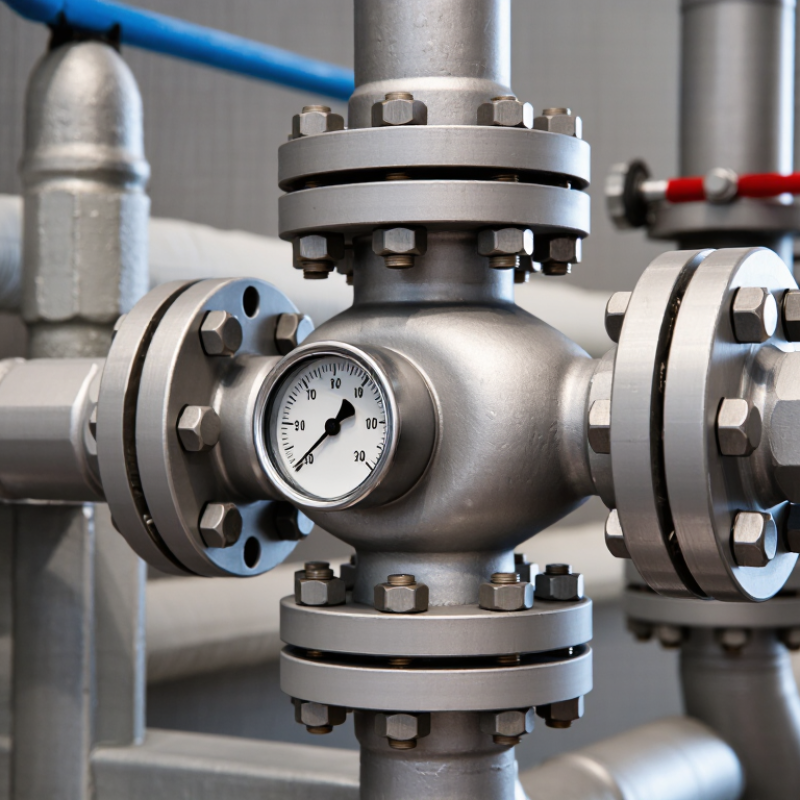
How to Choose the Right Pressure Valve?

Define the System’s Pressure and Flow Requirements

Choose a pressure valve using the system’s real operating range, not just its highest rated pressure. Record inlet pressure, required outlet pressure, and flow during normal operation and peak demand. Take readings at startup and at the farthest device, where pressure loss may be greatest. A quiet idle reading can hide a serious dip. Small details matter.

The U.S. Department of Energy’s Improving Compressed Air System Performance: A Sourcebook for Industry gives a useful benchmark: each 2 psi increase in compressed-air pressure can raise energy use by about 1%. This figure applies to compressed air, not every fluid system, so use it in context.

Compare the valve’s flow capacity with measured demand at actual inlet and outlet pressures. Check fluid temperature and medium, too. An undersized valve may starve downstream equipment; an oversized one may regulate poorly at low flow. Do not size from average flow alone. Real systems are messy, and this step is easy to overlook.
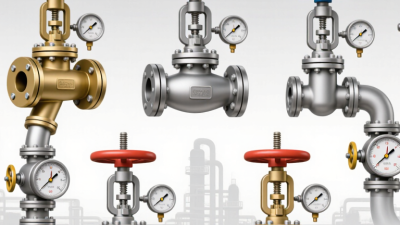
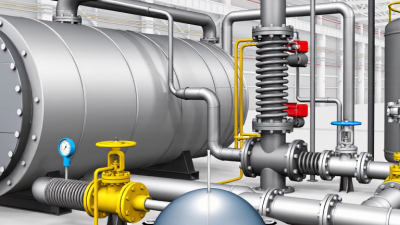
Identify the Pressure Valve’s Required Function

A pressure valve should be chosen for the job it must perform, not merely for its pipe connection. A relief valve opens to limit dangerous pressure; a pressure-reducing valve controls downstream pressure; a back-pressure valve maintains pressure upstream. Different jobs, different valves. A control valve may also regulate pressure, but it responds to a control signal and needs a defined operating strategy.

Write down the normal, minimum, and maximum inlet and outlet pressures, plus flow, temperature, and fluid state. Then consider startup surges, blocked outlets, and changing demand. Real systems rarely behave as neatly as a diagram suggests. That is why a valve that works at average flow may still perform poorly during a brief peak. For relief service, qualified engineers should verify required capacity and discharge conditions against applicable requirements, such as ASME Boiler and Pressure Vessel Code Section XIII.

The U.S. Department of Energy’s Improving Steam System Performance: A Sourcebook for Industry reports that about 45% of fuel burned by U.S. manufacturers is used to generate steam. That figure shows why steam pressure control deserves careful attention, though it does not predict savings from any single valve. Match the valve’s function to the actual process, and document the assumptions behind the selection. A second review can catch a missed operating condition.

How to Choose the Right Pressure Valve? - Identify the Pressure Valve’s Required Function

Valve Type Required Function How It Operates Typical Applications Key Selection Considerations
Pressure Relief Valve Limit excessive pressure in a liquid system by releasing fluid when pressure reaches a specified set point. Opens as pressure rises above its set point and typically closes again after pressure falls sufficiently. Pumps, liquid pipelines, hydraulic systems, and process equipment. Check the required set pressure, relieving capacity, fluid compatibility, allowable pressure accumulation, and discharge routing. It is not a substitute for correctly sized system safeguards.
Safety Valve Protect equipment from overpressure, particularly in systems handling compressible fluids such as steam or gas. Often opens rapidly when the set pressure is reached, then reseats after pressure falls by the valve’s specified blowdown. Steam boilers, pressure vessels, and compressed-gas systems. Confirm the applicable design code, set pressure, certified capacity, inlet and outlet conditions, and compatibility with the service. Use a qualified engineering review for safety applications.
Pressure-Reducing Regulator Reduce a higher inlet pressure and maintain a lower, controlled downstream pressure. Adjusts its opening in response to downstream pressure; it may not provide tight shutoff under every condition. Instrument-air lines, gas distribution, water services, and process supply lines. Specify inlet-pressure range, desired outlet pressure, flow range, fluid, temperature, and pressure droop. Consider separate downstream overpressure protection if regulator failure could create a hazard.
Back-Pressure Regulator Maintain a target pressure upstream by controlling flow leaving the system. Opens progressively as upstream pressure rises above its setting, allowing more flow downstream. Process lines, filtration systems, and systems requiring stable upstream pressure. Check the upstream pressure range, required flow, downstream pressure, fluid properties, and allowable pressure variation. It is a control device, not automatically a certified safety relief device.
Vacuum Relief Valve Prevent excessive vacuum or negative pressure by admitting air or another approved gas into a vessel or line. Opens when internal pressure falls below its specified pressure threshold and closes as pressure recovers. Storage tanks, vessels, and pipelines that may experience draining, cooling, or pump-out conditions. Determine the maximum vacuum the equipment can withstand, required air-inlet capacity, opening setting, and whether the admitted gas must be filtered or inert.
Pressure-Sustaining Valve Keep pressure above a minimum level upstream while allowing excess flow to pass downstream. Throttles or opens when upstream pressure reaches its set point, helping maintain the required upstream pressure. Water distribution networks, pump systems, and process lines requiring minimum upstream pressure. Evaluate minimum and maximum flow, upstream pressure range, downstream conditions, response stability, and potential water-hammer effects.

Match Valve Type, Materials, and Pressure Ratings

Choosing a pressure valve starts with the job, not the catalog. A relief valve protects equipment from excess pressure, while a regulator controls downstream pressure. A check valve prevents reverse flow. They are not interchangeable. Record normal pressure, possible surges, flow rate, fluid, and temperature. Small details matter. A cold-water line and a hot, corrosive process may need very different valve designs.

Match the valve materials to the fluid and surrounding conditions. Stainless steel suits many services, but compatibility depends on the exact chemistry and temperature. Seals matter too: an elastomer that works in water may swell or harden in another fluid. Check the pressure rating against maximum operating conditions, including startup spikes, rather than relying only on a routine gauge reading. Stay within rated limits. More capacity is not always safer; an oversized valve may respond poorly or create unstable operation. Verify sizing and connection details against equipment data, and consult a qualified engineer for critical systems. I would also revisit the assumptions after installation, since actual flow may differ from the estimate.

Assess Operating Conditions and Installation Needs

Before choosing a pressure valve, define what it must do: relieve excess pressure, regulate flow, or maintain a set pressure. Record normal and maximum pressure, temperature, flow rate, and the fluid’s properties. Include start-up surges and pressure fluctuations; steady-state readings can hide demanding conditions. For relief valves, sizing must reflect credible overpressure scenarios, not just the pipe diameter. Verify the selection against applicable engineering codes and the system’s design documents.

Installation can change performance. Check the specified flow direction, mounting position, inlet and outlet pipe dimensions, and clearance for inspection or removal. Allow for vibration, heat, corrosion, and access to isolation points. A valve that fits the drawing may be awkward to service in a crowded plant room. Small details matter. The U.S. Department of Energy’s Improving Compressed Air System Performance sourcebook estimates compressed-air systems use about 10% of electricity in U.S. industry. That figure is not a valve-selection rule, but it shows why pressure losses and poor control deserve attention.

At the installation, compare actual operating readings with the design assumptions. Confirm that nearby equipment will not create backpressure or obstruct discharge, and plan how technicians will test the valve safely. Document set pressure, materials, and maintenance intervals. A tidy specification still may miss an unusual start-up condition; review operating logs with site staff before final approval.

Compare Maintenance Needs and Verify Compatibility

How to Choose the Right Pressure Valve?

Maintenance needs can shape the real cost of a pressure valve. Check how often it operates, what fluid passes through it, and how accessible it is for inspection. A valve cycling every few minutes may need more frequent attention than one used occasionally. That adds up. Ask whether seals, springs, and seats can be inspected or replaced without dismantling nearby pipework. A maintenance log can also reveal recurring leaks, sticking, or pressure drift. It is easy to overlook access until a technician needs room for tools.

Compatibility requires more than matching pipe size. Confirm the valve’s function, connection type, materials, pressure range, temperature limits, and flow capacity against the system’s actual conditions. Include brief pressure spikes, not just the normal operating reading. Check that the materials suit the fluid; an incompatible seal can swell, harden, or leak. Compare installation requirements with the available space and orientation. Specifications can look right on paper, yet small differences matter. If conditions are unclear, verify them with current equipment records or a qualified valve professional before installation.

How to Choose the Right Pressure Valve?

Compare maintenance needs and verify compatibility before selecting a valve.

The values shown are common ASME B16.34 class designations—not pressure ratings in psi or bar. Allowable pressure depends on the valve’s material, temperature, and applicable standard; check the relevant pressure–temperature tables.

Selection checks

Compare expected inspection and service access with the valve’s design, then confirm the body, trim, seat, and seal materials suit the process fluid, operating temperature, pressure, and any solids. Review the manufacturer’s maintenance instructions and material-compatibility data for the exact service conditions.