Print Logo

How to Choose China Best Gate Valve Manufacturers?

Choosing China’s best gate valve manufacturers requires more than comparing prices on a supplier website. A reliable partner must prove performance through documented processes, tested materials, and consistent communication. The word “best” is not universal. It depends on pressure class, media, temperature, connection type, and project risk.

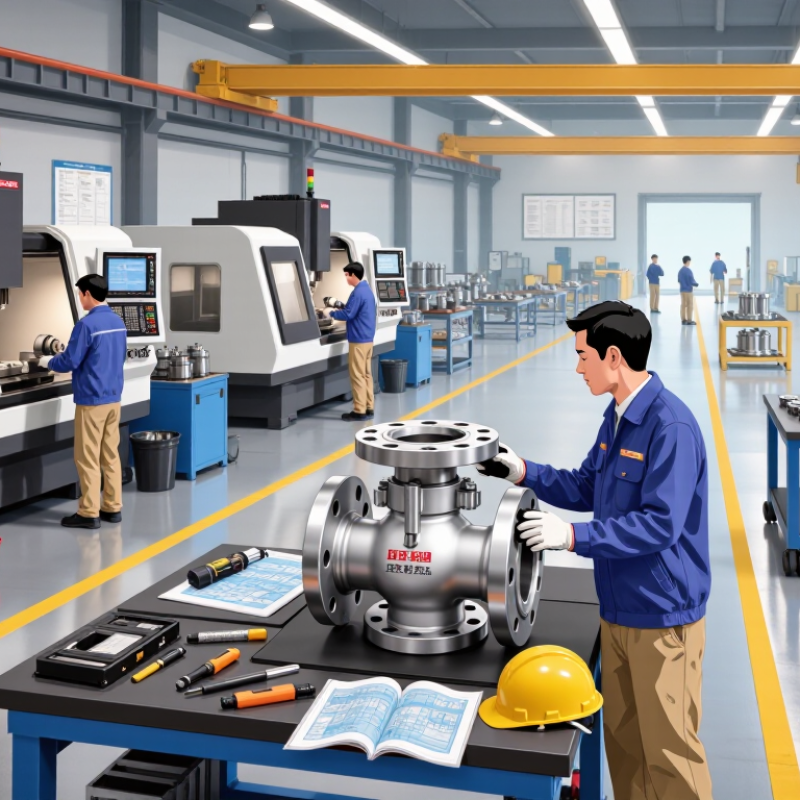
An experienced buyer should examine the manufacturer’s factory, not only its catalog. Look for machining areas, assembly stations, calibration records, and clearly labeled material storage. Ask how body castings, stems, seats, and packing are inspected. Request pressure-test reports for representative batches, including shell and seat tests. Confirm traceability from heat numbers to final inspection documents. Certifications such as ISO 9001 can support confidence, but certificates alone do not guarantee dependable gate valve performance.

Technical discussions should involve engineers who understand API, ASME, EN, or applicable project standards. Their answers should be specific, not copied from a sales script. Check references from similar industries, delivery histories, warranty handling, and response times after installation. A video call can reveal useful details, although it cannot replace an independent audit. This is where many evaluations become incomplete. Buyers may focus on unit cost and overlook coating quality, spare parts, or long-term maintenance.

A careful selection process balances evidence, risk, and practical experience. Compare several qualified manufacturers using the same checklist. Define acceptance criteria before placing an order. Then allow room for review, because even a promising supplier may expose weaknesses during sampling or production.

How to Choose China Best Gate Valve Manufacturers?

Gate Valve Fundamentals: Types, Materials, and Pressure Classes 150–2500

Selecting a reliable gate valve manufacturer in China starts with understanding the valve’s service. Gate valves isolate flow, rather than regulate it continuously. Wedge, parallel-slide, and slab designs suit different pipeline conditions. A wedge gate valve provides tight shutoff, while a slab valve often fits oil, gas, and transmission lines. Small details matter.

Material selection should match the fluid, temperature, and corrosion risk. Carbon steel is common for water and general industrial service. Stainless steel supports corrosive media, but its grade must fit the actual chemistry. Low-temperature carbon steel may be required for cold environments. Check body, bonnet, stem, seat, and trim materials separately. One material list is not enough.

Pressure classes 150, 300, 600, 900, 1500, and 2500 are not simple working-pressure numbers. Their allowable pressure changes with temperature and material. Ask for pressure-temperature tables based on recognized standards, such as ASME B16.34, API 600, or API 6D. During supplier evaluation, review design calculations, hydrostatic and seat tests, traceable material certificates, and documented inspection procedures. I have seen attractive catalogues hide unclear test boundaries. That deserves a direct question. Confirm face-to-face dimensions, end connections, coating requirements, and spare-part support before approval. A factory audit can reveal practical weaknesses, including poor storage, incomplete calibration records, or inconsistent marking. These findings are easy to miss.

Key Standards: API 600, ASME B16.34, and ISO 5208 Testing Requirements

Choosing the best China gate valve manufacturer requires more than comparing prices or catalog photos. Standards reveal how seriously a factory controls design, materials, and testing. API 600 is important for steel gate valves used in demanding pipeline services. It covers construction details, dimensions, materials, and inspection expectations. Ask for current certificates and confirm that the tested valve matches the quoted model.

ASME B16.34 helps verify pressure-temperature ratings, wall thickness, end connections, and material requirements. A reliable manufacturer should provide clear drawings, heat numbers, material certificates, and traceability records. ISO 5208 focuses on pressure testing and leakage acceptance. Request shell and seat test reports, including test pressure, duration, medium, and permitted leakage rate. A clean report should identify the valve by size, class, and serial number. Generic documents are a warning sign.

Tips: Visit the test area when possible. Check calibrated gauges, inspection stamps, and valve markings. Ask whether tests follow the latest contract requirements, not only an old template. Do not treat API, ASME, or ISO documents as automatic proof of quality. Factory discipline matters too. Poor storage can damage sealing surfaces before shipment. I have seen specifications overlooked because buyers trusted certificates without checking details. No checklist is perfect. Leave room for independent inspection and honest questions.

How to Choose China Best Gate Valve Manufacturers? - Key Standards: API 600, ASME B16.34, and ISO 5208 Testing Requirements

Evaluation Dimension API 600 Reference ASME B16.34 Reference ISO 5208 Reference What to Check in a Manufacturer’s Data Recommended Evidence
Primary Scope Covers bolted-bonnet steel gate valves with flanged, threaded, and welding-end connections for petroleum and related industrial applications. Covers valves with flanged, threaded, and welding ends, including pressure-temperature ratings, dimensions, materials, and design requirements. Defines production pressure-testing procedures and leakage-rate classifications for industrial valves. Confirm that the manufacturer applies the correct standard for the valve type, pressure class, end connection, and service application. Standard compliance statement
Nominal Size and Pressure Class API 600 includes dimensional and design requirements for steel gate valves commonly manufactured in ASME pressure classes such as 150, 300, 600, 900, 1500, and 2500, subject to the applicable design range. Provides pressure-temperature rating rules for standard pressure classes and materials covered by the standard. Testing is performed at specified test pressures associated with the valve’s rated pressure or applicable purchaser requirements. Check that the proposed size, pressure class, material group, and temperature range are consistent across the quotation, drawings, and test procedure. Approved datasheet and GA drawing
Body and Bonnet Design Addresses body, bonnet, bolting, body-seat construction, stem design, backseat, and other construction details for steel gate valves. Establishes design and pressure-boundary requirements applicable to the valve construction and end connections. Evaluates pressure-boundary integrity and closure performance through shell and closure tests. Review sectional drawings for bonnet construction, body-wall thickness, stem arrangement, backseat design, and pressure-boundary details. Certified drawings and design calculations
Pressure-Temperature Rating Valve design and rating are coordinated with the applicable pressure class, material, and service temperature requirements. Provides the principal pressure-temperature rating framework for valves within its scope, based on material and pressure class. Testing conditions must be selected in relation to the valve’s rated pressure and the applicable test specification. Verify rating tables, material specifications, design temperature, minimum and maximum operating pressure, and any rating limitations. Rating tables and material certificates
Shell Pressure Test API 600 valve testing is normally used together with the applicable valve inspection and testing requirements, commonly API 598 or an agreed equivalent. Defines design-related requirements but is not generally used as the complete production valve-testing procedure. ISO 5208 includes a shell test to verify pressure-boundary tightness and identify unacceptable external leakage or structural failure. Confirm test medium, test pressure, holding time, inspection method, acceptance criteria, and calibration status of test equipment. Pressure-test procedure and test report
Seat and Closure Test For production acceptance, seat and closure testing is typically specified through API 598 or another contractually agreed testing standard. Provides valve design and rating requirements; seat leakage acceptance should be stated separately in the purchase specification. Classifies closure-test leakage using defined leakage rates, allowing the purchaser to specify the required tightness level. Specify whether testing is required in one or both flow directions, whether the valve has a double-blocking function, and which leakage rate applies. Signed seat-test record
ISO 5208 Leakage Rate API 600 itself should not be treated as a substitute for a separately defined seat-leakage acceptance requirement. ASME B16.34 does not provide the same leakage-rate classification system as ISO 5208. ISO 5208 provides leakage-rate designations from Rate A through Rate G. The selected rate must be stated in the purchase order or inspection plan. Do not accept a general statement such as “zero leakage” without identifying the test standard, test medium, direction, pressure, duration, and allowable leakage rate. Specified ISO 5208 rate and acceptance record
Materials and Traceability Requires materials and construction suitable for the specified valve design and service conditions, with material requirements coordinated with the applicable specification. Uses material and pressure-temperature provisions to support the valve rating and pressure-boundary design. Focuses on testing and does not replace material specifications or material traceability requirements. Check heat numbers, body and trim materials, pressure-boundary material grades, certificates, and traceability from raw material to finished valve. EN 10204 type 3.1 material certificates
End Connections and Dimensions Includes dimensional requirements relevant to covered gate-valve designs and end connections. Addresses flange, threaded, and welding-end dimensions and requirements within its scope; flange dimensions may also require reference to the applicable flange standard. Does not establish the primary dimensional design of the valve or its end connections. Compare face-to-face dimensions, flange drilling, end preparation, bore configuration, and tolerances with the approved project specification. Dimensional inspection report
Welding and Repair Controls Welded pressure-boundary components and repairs should be controlled through qualified welding procedures, qualified welders, and documented examination requirements. Pressure-boundary design and material requirements must be supported by suitable manufacturing and inspection controls. Does not qualify welding procedures; it verifies valve pressure and closure performance by testing. Request welding procedure qualifications, welder qualifications, repair records, heat-treatment records, and examination reports where applicable. WPS, PQR, WPQ, NDE reports
Non-Destructive Examination NDE requirements may be specified by the applicable purchase specification, material specification, supplementary requirements, or referenced inspection standard. Provides design and rating requirements but does not by itself define every project-specific NDE scope. ISO 5208 pressure testing is not a replacement for radiographic, ultrasonic, magnetic-particle, or liquid-penetrant examination. Ensure NDE methods, coverage, acceptance criteria, personnel qualifications, and reporting requirements are clearly identified in the inspection plan. NDE plan and qualified reports
Factory Acceptance Testing A practical acceptance program normally combines the valve construction requirements with the specified pressure and closure tests. Use the standard to verify design, rating, materials, and end-connection conformity, while using a separate testing standard for production acceptance. Provides a structured basis for shell and closure testing, including test method and leakage-rate acceptance. Check that every finished valve is individually tested, identified, recorded, and released only after all specified results pass. Final test dossier and release note
Inspection and Certification System The manufacturer should demonstrate controlled design, purchasing, manufacturing, inspection, and final testing processes relevant to the valve scope. Technical compliance should be supported by controlled drawings, rating calculations, material records, and dimensional verification. Test results should identify the test standard, leakage rate, medium, pressure, duration, test direction, and acceptance result. Evaluate document control, calibration, nonconformance management, inspector access, and the ability to provide complete traceability. Quality manual and ITP
Purchasing Checklist State the valve type, size, pressure class, body and trim materials, end connection, bonnet design, and applicable API requirements. State the required pressure-temperature rating, material basis, end dimensions, and design-code edition. State the required shell and closure test method, leakage rate, test medium, pressure, duration, and acceptance criteria. Prefer manufacturers that provide a clause-by-clause compliance matrix rather than an unsupported “standard compliant” declaration. Compliance matrix and quotation
Note: API 600, ASME B16.34, and ISO 5208 address different aspects of valve design, rating, dimensions, and testing. The purchase specification should identify the applicable edition of each standard and clearly define any additional requirements.

Manufacturer Evaluation: Quality Systems, Certifications, and 100% Pressure Testing

Choosing China’s best gate valve manufacturer requires more than a polished catalog. I examine the quality system, inspection records, and production controls behind each valve. A functioning ISO 9001 system should define responsibilities, document changes, and track corrective actions. Certificates matter only when their scope, issuer, and expiry date match the product. Ask for the original certificate. Check the scope.

For industrial gate valves, relevant approvals may include API 6D, ISO 5208, or other specified standards. The correct standard depends on service, pressure class, material, and project requirements. Do not accept a logo as evidence. Request material certificates, heat numbers, welding records, and calibration details for test instruments. On a factory visit, I would watch machining, assembly cleanliness, packing control, and final inspection. Small details expose weak systems.

A credible manufacturer pressure-tests 100% of finished valves, not only selected samples. The file should show valve identification, test medium, pressure, duration, acceptance criteria, and inspector approval. Hydrostatic shell and seat tests should follow the agreed standard, with results linked to the valve’s serial or heat traceability. Pneumatic testing needs stricter safety controls. One uncomfortable lesson remains: paperwork can look complete while process discipline is inconsistent. I would compare records with physical markings and repeat-test a sample through an independent inspector. That extra check costs time, but it may reveal leakage, poor sealing, or weak traceability before shipment.

How to Choose China's Best Gate Valve Manufacturers

This procurement scorecard prioritizes documented quality systems, internationally recognized standards, traceability, and verified pressure testing. The weighting is a practical evaluation framework rather than a ranking of individual companies.

Performance Metrics: Leakage Rates, Temperature Ratings, and Cycle Life

How to Choose China Best Gate Valve Manufacturers?

Performance metrics reveal more than a polished catalogue. Start with leakage rates, test standards, and test duration. Ask whether the valve was tested before shipment. Request signed reports, not only marketing figures. A reliable manufacturer should explain seat leakage results under realistic pressure conditions. Low leakage is valuable, but test conditions can change the meaning.

Temperature ratings must match the media, pressure, and operating environment. Check body, seat, stem, and gasket materials separately. A valve rated for 400°C may perform differently during rapid heating and cooling. Thermal cycling can cause distortion, hardening, or gradual leakage. Do not accept one temperature number without supporting data. Cycle life also matters. Ask for tested opening and closing cycles, torque records, and maintenance intervals. A valve surviving laboratory cycles may still struggle with dirty media or infrequent operation.

Tips: Compare identical test conditions across suppliers. Verify certificates through traceable documents. If possible, witness a sample test. Inspect surface finish and stem movement. Small resistance can signal future trouble. Also, discuss the failure process before ordering. Clear inspection records and responsive technical support show practical reliability. No metric is perfect. That is easy to forget. Some buyers focus on the lowest leakage figure and overlook installation errors, actuator sizing, or storage conditions. A careful selection reviews performance data together with field experience and application risks.

Supplier Selection: Capacity, Lead Time, Traceability, and Total Cost Analysis

How to Choose China Best Gate Valve Manufacturers?

Supplier selection should begin with production capacity, not attractive pricing. Ask for monthly output, current order loading, machining equipment, and pressure-testing resources. A capable manufacturer should explain how it handles urgent orders without weakening inspection controls. Lead time also needs evidence. Request a process schedule covering raw materials, machining, assembly, testing, and shipment. Vague promises are warning signs.

Traceability protects project reliability. Each valve should link to material certificates, heat numbers, inspection records, and pressure-test results. During supplier reviews, check whether these records match actual valve markings. Total cost goes beyond the quoted unit price. Include tooling, packaging, freight, inspection, spare parts, rework, and possible downtime. A cheaper valve may become expensive after one failed delivery. This is easy to underestimate.

Tips: Compare at least three written quotations using the same specifications. Request recent sample records, not polished templates only. Confirm payment terms and change-control procedures. A factory visit can reveal crowded storage areas, unclear labeling, or idle equipment. Do not treat every certificate as proof of quality. Verify issuing details and test methods where possible. My own assessment would remain cautious when a supplier answers quickly but avoids specific production data. Reliability is often shown in small details, such as consistent markings and complete inspection files.