Print Logo

How to Choose the Right Gate Valve?

Choosing the right gate valve begins with understanding the job it must perform. This valve is designed mainly for fully open or fully closed service, not frequent throttling. Picture a steel pipeline carrying clean water, a sticky process fluid, or abrasive slurry. Each service places different demands on the valve body, gate, seat, and stem. Pressure, temperature, fluid chemistry, and operating frequency matter just as much as nominal pipe size.

An illustrative expert perspective, not a verified quotation, comes from fictional valve applications specialist Daniel Mercer: “Match the gate valve to the fluid and duty cycle before comparing price.” That practical reminder points to the questions a careful buyer should ask. Will the valve face corrosion, suspended solids, or high temperatures? Is a rising stem useful for visible position checks, or is limited installation space a concern? Which body material, trim, end connection, and pressure rating suit the system? Small details count. A mismatched seat can wear early; an unsuitable material can shorten service life. Specifications deserve a second look.

This guide explains how to compare gate valve types, materials, ratings, and operating features for a real installation. It also considers maintenance access and the trade-offs between upfront cost and dependable operation. There is no universal best choice. Catalog descriptions can make selection seem simpler than it is, and that deserves some skepticism. Confirm critical details with the manufacturer’s documentation and a qualified engineer, especially when service conditions are severe or uncertain.
How to Choose the Right Gate Valve?

Understanding Gate Valve Functions and Operating Conditions

How to Choose the Right Gate Valve?

A gate valve is built mainly for isolation: its gate moves out of the flow path when fully open. This creates a relatively clear passage with little flow resistance. It is not a good choice for routine throttling. A partly open gate can vibrate, wear unevenly, and become difficult to seal. Use it to start or stop flow, not to finely control it.

Operating conditions matter as much as pipe size. Check the fluid, pressure, temperature, and whether solids may collect around the seat. A clean-water line and a hot process line may need different body and seal materials. Consider how often the valve will operate, too. Some valves work by hand; larger units may need powered actuation. Slow operation helps limit pressure surges. Check installation space as well: a rising stem needs room above the valve.

Details matter. Confirm the end connections, pressure rating, flow direction guidance, and maintenance access against the actual system—not just a catalog description. If the fluid is abrasive or corrosive, ask a qualified valve specialist to review material compatibility. One easy-to-miss point is future access: a valve that fits today may be awkward to inspect later. Even careful selection has limits; real operating data can reveal assumptions that looked sound on paper.
Identifying the Correct Valve Type for the Application

Choosing a gate valve starts with its duty, not its pipe size. Gate valves are generally suited to on-off isolation, where flow stays fully open or fully closed. They are usually a poor choice for throttling: a partly open gate can vibrate, wear, and damage its seating surfaces. That matters.

For clean water or similar services, a resilient-seated design can provide tight shutoff, within its rated pressure and temperature limits. Metal-seated designs may suit hotter or more demanding conditions, but leakage expectations and maintenance needs should be checked. For slurry or fluids carrying grit, ask how particles could collect around the gate and seat. A catalogue description alone may not answer that.

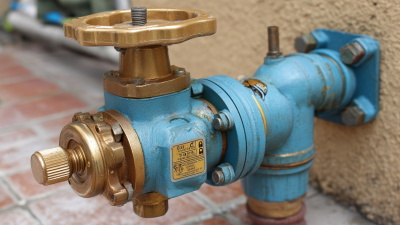
The valve’s construction also needs to fit the installation. A rising stem shows valve position clearly, but needs overhead clearance; a non-rising stem can work in cramped spaces, though position indication may be less obvious. Check pressure class, body and trim materials, end connections, operating torque, and actuator requirements against the actual service data. Corrosion compatibility deserves particular care. I have seen selections look right on paper, then become awkward because a handwheel could not be reached or the medium was poorly described. Confirm operating conditions with the system designer or a qualified valve specialist before specifying the final type.

Comparing Body, Trim, and Connection Materials

A gate valve’s body carries pressure, while its trim controls how the valve shuts and seals. Choose body material against the fluid, temperature, and pressure—not price alone. Ductile iron may suit many water services; carbon steel handles demanding pressure and temperature ranges. Stainless steel can help resist corrosion, but the exact fluid chemistry still matters. Small detail, big consequence.

Trim includes parts such as the stem, disc, and seating surfaces. Stainless trim is common, while harder surface treatments may reduce wear in abrasive service. Check whether the fluid contains solids, whether the valve cycles often, and whether tight shutoff is essential. A clean-looking specification can still miss a real operating condition. I would verify it against actual service data.

Connection material and type must match the pipe system and its pressure rating. Flanged ends allow easier removal for inspection; threaded connections may fit smaller lines, while welded ends can suit permanent installations. Confirm material compatibility, dimensions, and applicable ratings before ordering. One point I would revisit is maintenance access: a connection that fits perfectly may still make future repairs awkward.

How to Choose the Right Gate Valve? - Comparing Body, Trim, and Connection Materials
Service or Selection Priority Typical Body Material Typical Trim Materials Common End Connections Why This Combination May Fit Important Limitations and Checks
Building water and general utility service Cast iron, such as ASTM A126 Class B, or ductile iron, such as ASTM A536 Bronze or stainless-steel stem; resilient or metal seating components as specified for the valve design Flanged; grooved ends are also used in some piping systems Common choices for water distribution and utility systems. Ductile iron generally offers greater strength and impact resistance than gray cast iron. Confirm pressure and temperature ratings, water chemistry, coating requirements, and applicable valve and piping standards. Do not assume a material is suitable for every potable-water application.
General-purpose industrial service Cast carbon steel, commonly ASTM A216 Grade WCB 13% chromium stainless steel or other specified stainless-steel trim; trim selection depends on service conditions Flanged, butt-weld, or socket-weld, depending on valve size and piping design Carbon-steel bodies are widely used in industrial piping where higher pressure or temperature capability is required than typical iron-bodied valves provide. WCB is not a universal corrosion-resistant material. Check design temperature, pressure class, fluid corrosion, impact requirements, and the valve manufacturer's rating.
Corrosive or chloride-containing process service Cast austenitic stainless steel, such as ASTM A351 CF8M, where compatible with the process 316 stainless steel or other corrosion-resistant trim selected for the specific fluid and operating conditions Flanged or butt-weld; other connections may be available for particular sizes and designs Stainless-steel construction can provide better corrosion resistance than carbon steel in many process environments. Stainless steel is not immune to corrosion. Chloride concentration, temperature, crevice conditions, and the specific chemical can affect suitability; verify compatibility with a corrosion specialist or material data.
Small-bore piping where compact installation is preferred Carbon steel, stainless steel, or another material appropriate to the service Trim selected to match the body, fluid, pressure, and temperature requirements Threaded ends, commonly used for smaller sizes and lower-stress piping; socket-weld ends may be selected for small-bore welded piping Threaded connections can simplify installation and removal in suitable small-bore systems. Socket-weld connections provide a welded joint without a butt-weld preparation. Threaded joints may be unsuitable for severe vibration, thermal cycling, or certain hazardous services. Socket-weld details and inspection requirements must follow the applicable piping code and project specification.
High-integrity or higher-pressure welded piping Carbon steel or alloy steel selected for the design conditions Specified stainless-steel, hard-faced, or other engineered trim, depending on erosion, corrosion, and temperature Butt-weld for many larger-bore welded installations; socket-weld is commonly considered for smaller-bore piping Welded ends can avoid a bolted flange joint and may suit systems designed for permanent piping connections. Welding procedures, material traceability, heat treatment, and inspection can be important. Confirm that the valve ends match the pipe schedule and the project welding requirements.
Frequent access for inspection or valve removal Body material chosen for the fluid and design conditions, including iron, carbon steel, or stainless steel Trim selected for corrosion, wear, and expected operating frequency Flanged ends Flanged joints are generally easier to dismantle for maintenance than welded joints, when adequate access and space are provided. Check flange standard, facing, pressure class, gasket compatibility, bolting material, and alignment. A flange rating depends on the applicable standard and temperature.
Any service where corrosion or wear could affect shutoff Body material compatible with the fluid and external environment Trim and seating materials chosen for the fluid, solids, corrosion, erosion, and required shutoff performance Selected to suit piping design, maintenance needs, and applicable code Considering body, trim, and connection materials together helps avoid selecting a valve based on body material alone. Specify the fluid composition, contaminants, pressure, temperature, cycling, and leakage requirements. Gate valves are generally intended for isolation rather than routine throttling.

Selecting Valve Size, Pressure Rating, and End Connections

A gate valve should match the pipe, but matching nominal size alone is not enough. In field reviews, I check the line schedule, flow conditions, and space for the stem and handwheel. Gate valves are generally intended for fully open or fully closed service, not routine throttling. A partly open gate can vibrate and wear. That detail is easy to overlook.

Choose the pressure rating using the system’s maximum operating and surge pressures, along with the fluid temperature. Pressure classes are not simple pressure numbers; allowable pressure can change with body material and temperature. Check the pressure-temperature table and project specifications. If temperature or surge pressure is uncertain, verify the selection with a qualified engineer. Guessing is a poor shortcut.

Tips: Match the end connections to the piping. Flanged ends can simplify removal, while threaded or welded ends may suit other sizes and service conditions. Confirm the facing, bolt pattern, material compatibility, and installation clearance before ordering. Measure twice. I would also compare the valve datasheet with the actual line; paperwork is not always current.

How to Choose the Right Gate Valve?

Compare pressure classes using the approximate pressure ratings below. Then match the valve’s nominal size to the pipeline and choose end connections that meet the piping system’s design requirements.

Approximate pressure ratings are in psig for ASTM A216 WCB steel valves at 100°F, based on ASME B16.34 pressure-temperature ratings. Actual allowable pressure depends on material, temperature, valve design, and applicable codes. Select the valve size to match the pipe’s nominal size; common end connections include flanged, butt-weld, and threaded types.

Checking Actuation, Installation, and Maintenance Requirements

When choosing a gate valve, match actuation to operating frequency, valve size, and available power. A handwheel suits infrequent service, but large valves may demand substantial effort. For remote or frequent operation, electric or pneumatic actuators can improve control and reduce operator strain. Confirm actuator torque against pressure, temperature, and seating requirements; an undersized actuator may leave the gate partly open. That matters. If automation may be added later, check mounting compatibility and leave room for the actuator.

Installation conditions deserve equal attention. Check pipe size, pressure rating, fluid compatibility, and face-to-face dimensions against the system. Gate valves are generally intended for fully open or fully closed service, not routine throttling. Follow the valve’s flow and orientation instructions, since designs can vary. Keep the stem and handwheel accessible, and support the pipe to prevent loads from distorting the valve body. Plan for access.

Maintenance planning starts with the site, not just the service manual. Leave room to inspect packing, flange joints, and the actuator, especially in cramped pits or hot enclosures. Operate the valve periodically when conditions allow, watching for rising effort, leakage, or incomplete travel. Do not force a stuck handwheel; investigate deposits, pressure differences, or stem damage first. A checklist helps, though real conditions rarely stay simple.