What Is the Best Electric Ball Valve in 2026?
Choosing the best electric ball valve in 2026 is not a brand contest. It is a fit-for-service decision. The valve must match the fluid, pressure, temperature, switching frequency, and available power. A compact actuator may look ideal on a stainless-steel pipe, yet fail when torque demand, enclosure rating, or control signals are overlooked. Small details matter.
The International Energy Agency’s Electricity 2025 report projects global electricity demand will grow by close to 4% annually through 2027. That forecast is not a valve-market estimate, but it highlights the expanding importance of reliable, automated systems across industrial and building applications. For technical context, Emerson’s Fisher Control Valve Handbook explains key selection factors, including sizing, operating conditions, and actuator behavior. These sources help separate practical engineering criteria from broad product claims.
Process-control author Greg McMillan’s work points to a useful principle: evaluate valve performance within the complete control loop, not in isolation. For buyers, that means checking response time, fail position, cycle life, manual override, and maintenance access alongside the valve body and seals. No single model suits every installation. That is the awkward truth. This guide compares electric ball valves by application, materials, actuation, reliability, and support, while noting where published specifications leave unanswered questions. The goal is a defensible shortlist—not a universal winner.
What an Electric Ball Valve Is and How It Works
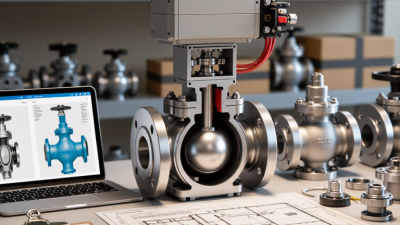
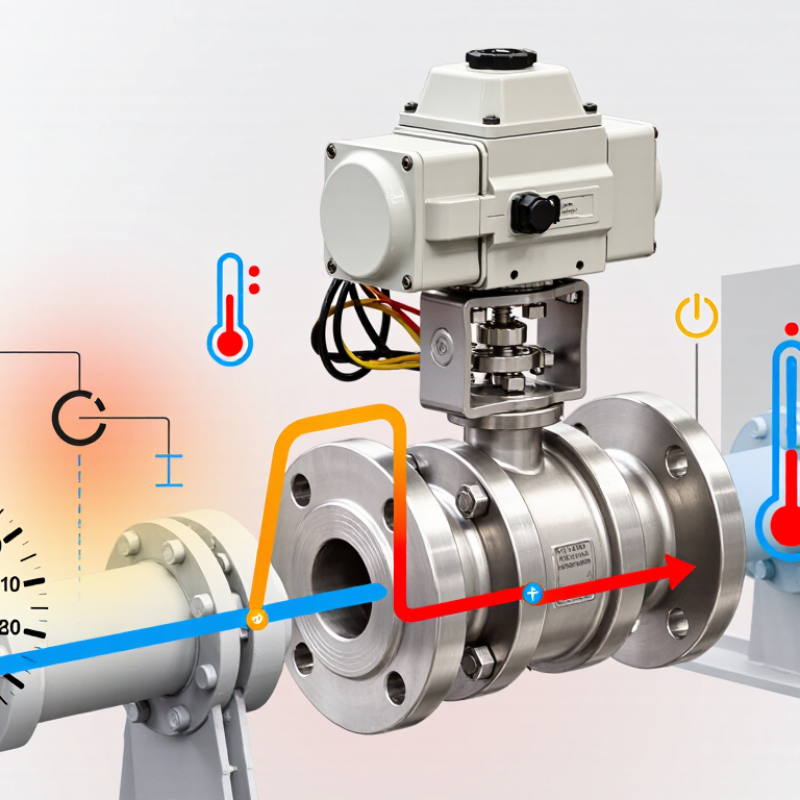
An electric ball valve pairs a valve body with an electrically powered actuator. Inside the body, a drilled ball turns to open or block the flow. When the ball’s opening lines up with the pipe, fluid passes through. A quarter-turn moves it to the closed position. Simple, but precise.
The actuator converts electrical energy into rotation. Depending on the model, it may respond to an on/off command or a modulating signal that sets intermediate positions. Some units provide position feedback; others do not. That distinction matters when a control system needs confirmation, rather than an assumption, that the valve moved.
In practical use, check the supply voltage, torque, connection size, and fluid conditions against the application. A valve that is too small can restrict flow; an undersized actuator may struggle to turn a stiff ball.
I have seen specifications make the mechanism sound nearly effortless. Real installations are less tidy: wiring, mounting space, and cycling frequency all affect performance. The best choice depends on the job, not just the actuator’s advertised speed.
Key Factors for Choosing the Best Electric Ball Valve
What Is the Best Electric Ball Valve in 2026?
Key Factors for Choosing the Best Electric Ball Valve
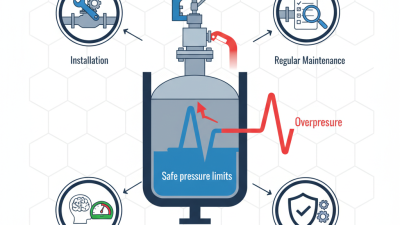
The best electric ball valve depends on the fluid, operating conditions, and control system. Start with the media: water, oil, and mildly corrosive fluids may require different body and seal materials. Check the stated temperature and pressure limits, then compare them with actual operating conditions, including brief pressure surges.
Actuator torque matters. A valve may need more force to turn when pressure rises or seals wear. Check the valve’s torque requirements against the actuator’s rated output, and allow a suitable margin. Measure twice. Also confirm voltage, control signal, enclosure protection, and opening time. A slow valve can disrupt a process; a fast one may cause pressure shocks in some systems.
Consider how often the valve will cycle and whether it must close during a power failure. Electric actuators do not all provide the same fail-safe behavior, so verify this detail rather than assuming it. Small details matter. In real installations, wiring space and access for maintenance can be easy to overlook. Review the technical datasheet, and ask for test results under conditions close to your own. A specification can look convincing on paper, yet still leave important questions unanswered.
How to Compare Electric Ball Valve Features and Performance
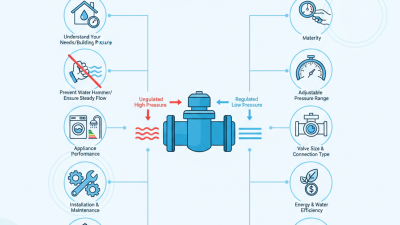
What Is the Best Electric Ball Valve in 2026? The right choice depends on the process, not a feature list. Compare the valve’s pressure and temperature limits with actual operating conditions. Check flow capacity, usually stated as Cv or Kv, to avoid restricting flow. Then confirm actuator torque at the maximum differential pressure—not just the headline torque rating. A tight margin can cause slow movement or failure to seat.
The U.S. Department of Energy’s Improving Pumping System Performance sourcebook reports that pumping-system improvements can reduce energy use by 20–50%. That figure applies to the system, not to a valve alone. Still, it shows why flow control deserves attention. Compare cycle time, duty rating, enclosure protection, position feedback, and manual override. Verify whether power loss leaves the valve in place or moves it to a defined position. That detail is easy to overlook.
Tips: Ask for torque and leakage test data at your operating pressure. Check that wetted materials suit the fluid. Match the electrical supply and control signal to your system.
A practical comparison also includes maintenance access and spare-part availability. A compact actuator may fit the pipework but leave little room for wiring or removal. I would not choose on price alone; however, a higher rating is not automatically better. Compare documented test conditions, and treat missing data as a reason to ask more questions.
Applications, Installation, and Maintenance Considerations
An electric ball valve suits automated on/off control in water treatment, HVAC, irrigation, and process lines where quick quarter-turn operation matters. Selection starts with the fluid, pressure, temperature, pipe size, and switching frequency—not just the actuator voltage. Check the valve’s torque rating against the worst expected differential pressure, allowing margin for sticky media or infrequent operation. For context, the U.S. EPA’s 2023 Drinking Water Infrastructure Needs Survey estimated $625 billion in drinking-water infrastructure needs over 20 years. That figure does not measure valve demand, but it underscores why dependable isolation and maintainable equipment matter in utility systems.
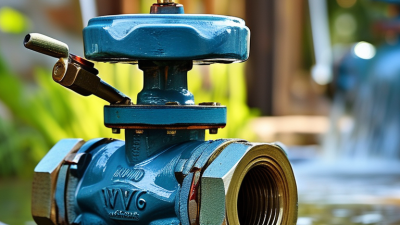
Installation details shape service life. Keep the pipe supported and aligned; a strained connection can distort the valve body and increase operating torque. Confirm the actuator’s voltage, control signal, enclosure rating, and available clearance before wiring. In damp or outdoor locations, orient cable entries to reduce water ingress and follow the installation instructions for grounding. Test the full open-and-close cycle before commissioning. Small checks matter.
Maintenance should match the fluid and duty cycle. Inspect for external leaks, corrosion, loose terminals, and unusual actuator noise; record cycle behavior so gradual changes are visible. Exercise seldom-used valves on a planned schedule, but avoid unnecessary cycling in abrasive service. IEC 60534-4 provides inspection and testing guidance for industrial control valves, though it does not replace the valve’s own maintenance instructions. A tidy checklist helps, but it cannot reveal every developing fault.