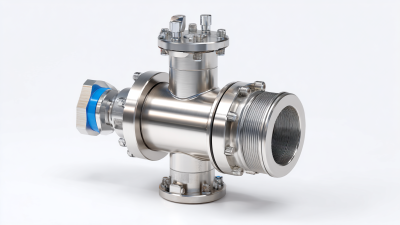
Essential Tips for Choosing Stainless Steel Ball Valves?
Choosing the right stainless steel ball valve is crucial for various industrial applications. According to a recent market report by Global Market Insights, the stainless steel ball valve industry is expected to grow at a CAGR of 5.6% from 2023 to 2030. This growth reflects the increasing demand for reliable flow control solutions in sectors such as oil and gas, water treatment, and chemical processing.
Renowned valve expert, Dr. Emily Johnson, emphasizes the importance of selection criteria in her research: "The performance and longevity of stainless steel ball valves hinge on the details." Factors such as pressure rating, size, and design must be carefully evaluated. A suitable valve ensures seamless operations and mitigates risks associated with leakage or failure.
However, not all stainless steel ball valves are created equal. It's essential to balance cost against quality. Overspending does not guarantee better performance. Likewise, opting for the cheapest option may lead to breakdowns. These challenges highlight the need to understand both product specifications and application requirements. Investing time in research can prevent costly mistakes in the future.
Understanding the Basics of Stainless Steel Ball Valves
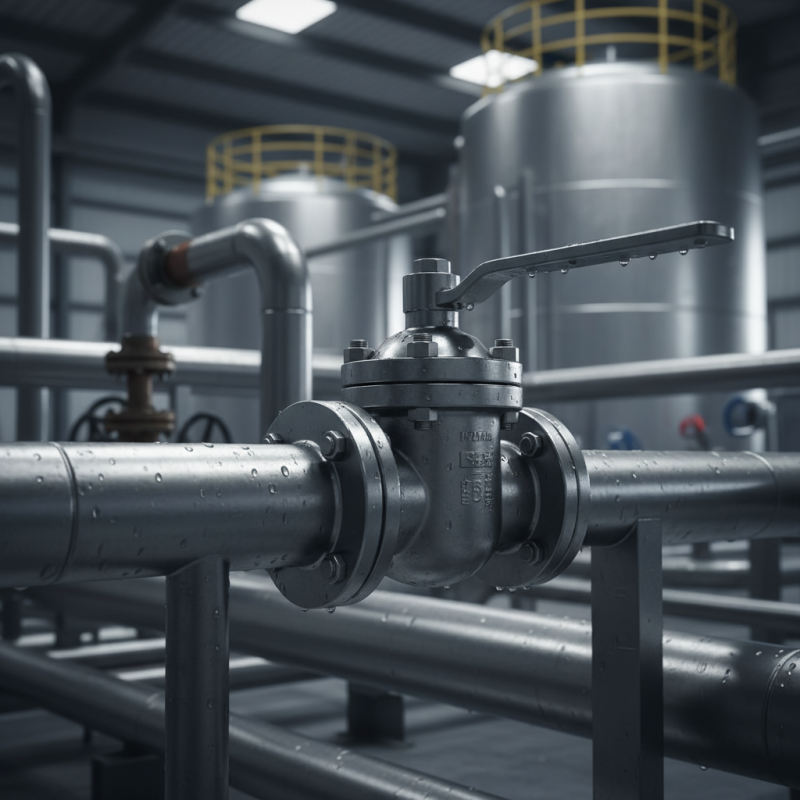
Stainless steel ball valves are crucial in various industries, including oil, gas, and water supply. Their design offers complete versatility and durability. According to a recent market report, the stainless steel valve market is projected to grow at a CAGR of 5.4% from 2021 to 2028. Understanding the basics of these valves helps in selecting the right type for your application.
The core structure of a stainless steel ball valve consists of three main parts: the body, the ball, and the seat. The ball is often hollow and rotates 90 degrees to open or close the flow. Typically, valves are available in various pressure ratings. These ratings determine where they can be used effectively. A higher pressure rating typically means better performance under challenging conditions. However, it also requires careful consideration of compatibility with the fluid being handled.
Choosing the correct stainless steel alloy is essential. Different grades provide varying levels of corrosion resistance and strength. For example, 304 stainless steel is common for general applications. In harsh environments, 316 stainless steel offers superior performance. Nevertheless, the choice of material can lead to several challenges, such as cost and specific industry standards. Always ensure that the selected valves meet industry compliance standards. This contributes to their reliability and effectiveness in service.
Essential Tips for Choosing Stainless Steel Ball Valves
This chart represents the essential tips for choosing stainless steel ball valves, illustrating the importance of various factors like durability, corrosion resistance, flow control, temperature tolerance, and cost. These metrics help users make informed decisions based on their specific needs.
Key Factors to Consider When Choosing Stainless Steel Ball Valves
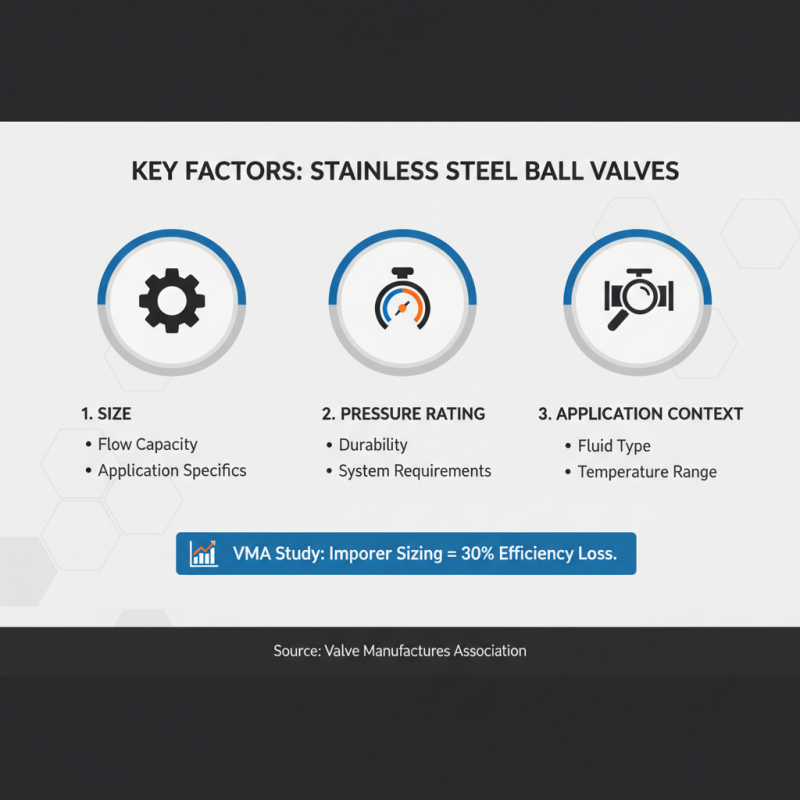
When choosing stainless steel ball valves, several key factors demand attention. The valve's size and pressure rating play significant roles. These factors dictate flow capacity and durability. A study by the Valve Manufacturers Association reveals that improperly sized valves can cause efficiency losses of up to 30%. Understanding the specific requirements of your application is crucial.
Material quality is another essential element. Stainless steel grades, such as 304 and 316, offer different levels of corrosion resistance. Grade 316 is preferred for harsher environments, particularly marine installations. A report from the American Society of Mechanical Engineers emphasizes that using the right grade can extend the valve's lifespan significantly.
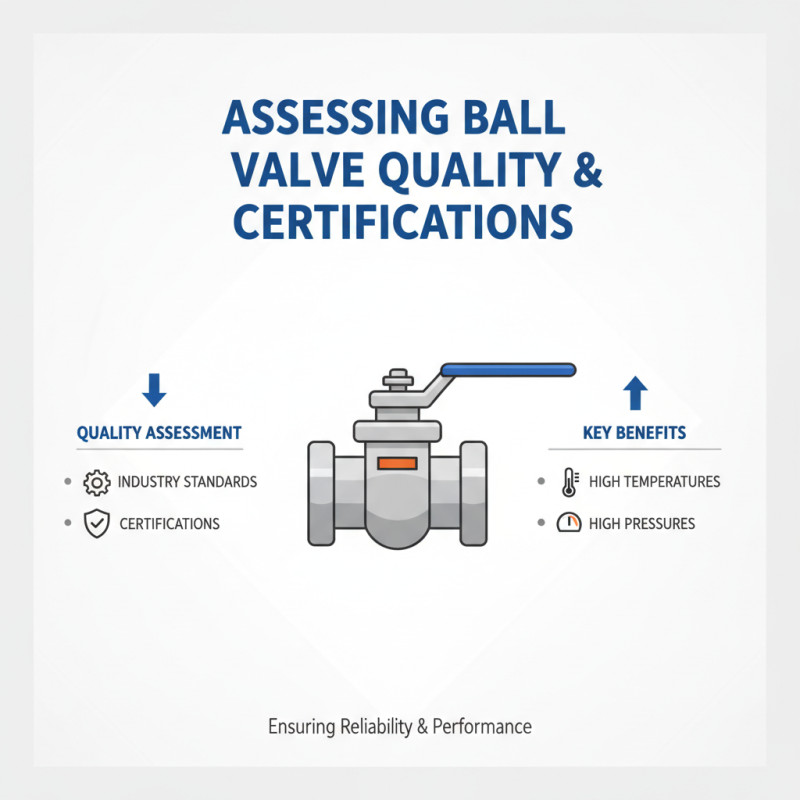
Tips for selection include assessing the temperature and pressure conditions of your application. Opt for valves designed to withstand explicit operational parameters. Checking industry certifications ensures reliability and helps in quality assurance. Lastly, consider the valve's end connections. Compatibility with existing piping is critical to avoid installation issues. Inadequate attention to these details can lead to costly repairs and downtime, emphasizing the importance of careful selection.
Exploring Different Types of Stainless Steel Ball Valves
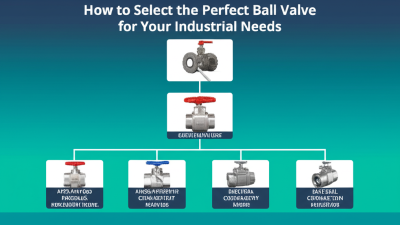
When selecting stainless steel ball valves, understanding the different types available is crucial. These valves come in various designs, including floating, trunnion-mounted, and multi-way configurations.
Floating ball valves, often used in low-pressure applications, use a ball that is held in place by the pressure of the fluid. Trunnion-mounted valves, ideal for high-pressure systems, feature a ball fixed at the top and bottom, providing superior sealing capabilities.
Professional assessments indicate that stainless steel ball valves account for 30% of the global valve market. Their corrosion resistance and durability make them preferable in chemical and petroleum applications. However, considerations about pressure rating, size, and end connections are vital. Inconsistent valve performance may arise from improper installation or selection, emphasizing the need for careful evaluation.
Tips: Evaluate the specific application requirements before making a choice. Ensure the size and pressure rating of the valve match your system's specifications. Regular maintenance and inspection of installed valves can prevent leaks and ensure efficient operation. Balancing performance and cost is key—sometimes, cheaper options may lead to higher long-term expenses due to frequent replacements.
Common Applications and Industries for Stainless Steel Ball Valves
Stainless steel ball valves are critical in various industries, including oil and gas, water treatment, and food processing. Their resistance to corrosion and high durability makes them ideal for harsh environments. According to a report from MarketsandMarkets, the global stainless steel valve market is projected to reach $12.5 billion by 2025, showing a steady demand.
In the oil and gas sector, stainless steel ball valves play a vital role in flow control. They manage the flow of liquids and gases with precision. A study by Grand View Research indicates that the oil and gas industry accounted for over 30% of the total valve market in 2022. However, improper selection based on media type and pressure can lead to failures, resulting in costly downtimes.
Food processing industries utilize these valves for hygiene. Stainless steel is easy to clean and sanitize, making it essential for applications involving consumable goods. The European Hygienic Engineering & Design Group reports that the demand for hygienic valves is increasing, driven by stricter food safety regulations. Yet, miscalculations in valve sizing can hinder operational efficiency, demonstrating the importance of careful selection in this field.
Essential Tips for Choosing Stainless Steel Ball Valves
| Feature |
Description |
| Material Quality |
Look for ASTM A351 CF8M or CF8 (316 stainless steel) for corrosion resistance. |
| Size Consideration |
Choose the appropriate size based on the pipe diameter and flow requirements. |
| End Connection Type |
Select between threaded, flanged, or weld end connections based on installation needs. |
| Pressure Rating |
Ensure the valve is rated for the specific pressure conditions of your application. |
| Operating Temperature |
Check the maximum and minimum temperature ratings for compatibility with the media. |
| Actuation Type |
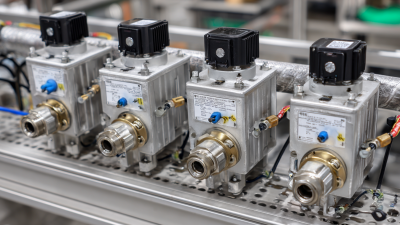
Decide between manual, pneumatic, or electric actuation based on control requirements. |
| Industry Applications |
Common in oil and gas, water treatment, food and beverage, and chemical processing. |
| Maintenance Needs |
Consider ease of maintenance and availability of replacement parts. |