China Top Ball Check Valve Manufacturers How to Choose?
China has become a major sourcing base for industrial valves, including the ball check valve. However, “top manufacturer” should not mean the largest factory or the lowest quotation. It should mean proven flow performance, controlled materials, dependable testing, and clear technical communication.
The Global Market Insights Industrial Valves Market Report estimates that the global industrial valve market will continue expanding through 2032, supported by water treatment, energy, chemical processing, and infrastructure investment. MarketsandMarkets also forecasts steady growth in industrial valve demand, although its figures cover broader valve categories, not ball check valve products alone. That distinction matters. A broad report cannot prove one supplier’s quality. It only shows the market’s direction.
When comparing Chinese manufacturers, buyers should check ISO 9001 certification, pressure-test records, material certificates, machining capability, and traceability from casting to final inspection. API 6D, API 598, EN 12266, and ASME B16.34 may be relevant, depending on the application. A practical test includes checking reverse-flow closure, pressure drop, seat wear, and operation after repeated cycles. Ask for actual reports, not attractive brochures.
Valve quality specialist James R. Couper wrote in Chemical Process Design and Integration, “Good design is not enough; the equipment must also be maintainable and operable.” That principle applies directly to ball check valve selection. Maintenance access, installation direction, media compatibility, and spare-part availability can decide the real cost.
Some supplier rankings remain subjective. That is the uncomfortable part. A factory may pass a sample inspection yet fail during long-term service. Therefore, audit the plant, verify references, request samples, and compare total ownership cost before choosing among China’s leading ball check valve manufacturers.
What Is a Ball Check Valve and How Does It Work?
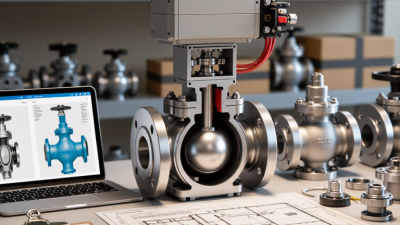
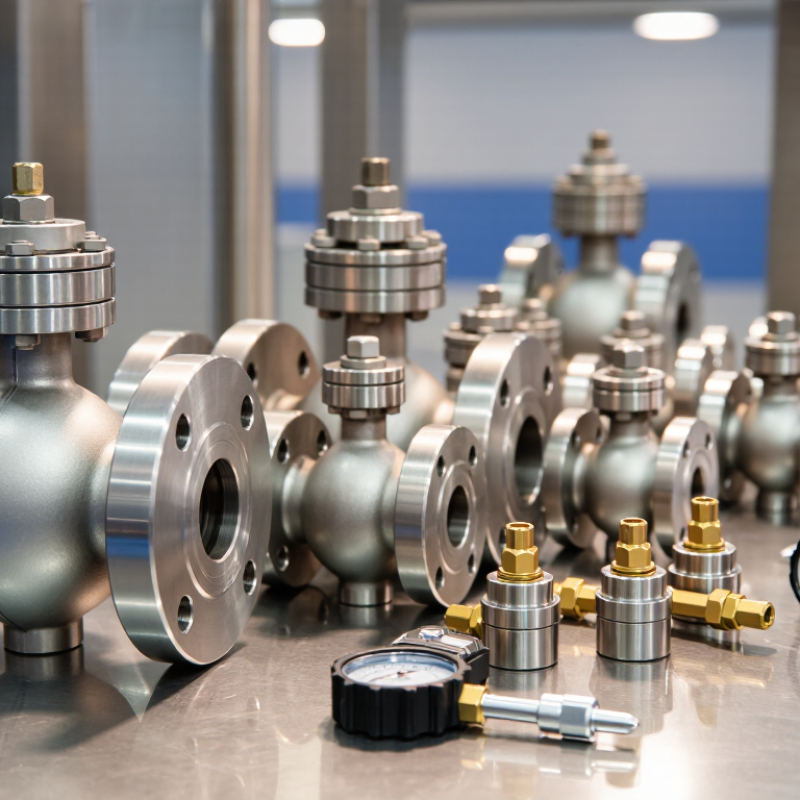
A ball check valve allows fluid to move in one direction and blocks reverse flow. Inside, a precision-finished ball moves against a valve seat. When inlet pressure rises, the ball lifts and opens the passage. When pressure drops or reverses, the ball returns to its seat. Simple, but not always perfect.
The valve’s performance depends on seat material, ball weight, pressure rating, and fluid cleanliness. For water systems, corrosion-resistant materials are often suitable. For chemical or high-temperature service, verify material compatibility carefully.
When choosing a Chinese manufacturer, request pressure-test records, dimensional drawings, and traceability documents. Experienced suppliers should explain cracking pressure, flow capacity, leakage limits, and inspection methods clearly. Avoid relying only on a low quotation. I have seen specifications look acceptable while the actual operating temperature was overlooked.
Tips:
Confirm the pipe size and connection standard before ordering. Ask for sample testing when the application is critical. Check whether the design reduces water hammer and pressure loss. Review production experience with similar media, not just general valve output. A factory visit or independent inspection can reveal assembly quality, cleanliness, and testing discipline. Small details matter. Expect questions from a reliable manufacturer.
Which Features Define a Reliable Ball Check Valve Manufacturer?
When choosing among China’s top ball check valve manufacturers, inspect evidence rather than polished sales language. A reliable manufacturer explains flow direction, cracking pressure, pressure class, temperature range, and sealing performance clearly. Their engineers should match the valve body and ball material to the medium, such as water, oil, or corrosive service. Material certificates and dimensional drawings should be available before purchase.
Ask how each valve is tested. Hydrostatic testing, low-pressure air testing, and leakage inspection should follow documented procedures. Request sample test records, calibration dates, and batch traceability. A dependable factory can identify the operator, raw material lot, machining process, and final inspector. Details matter. Do not accept vague claims like “high quality” without measurable results.
During supplier evaluations, I have found that transparent communication often predicts better support after delivery. Ask about spare seals, replacement balls, inspection reports, and response times for technical questions. One mistake is choosing the lowest quotation without checking wall thickness or seal compatibility. That decision may reduce the initial cost but increase maintenance problems. A factory should also welcome sample approval and third-party inspection when appropriate. Still, documentation alone cannot prove every field condition. Review installation feedback, question unclear test data, and allow engineers to challenge attractive assumptions before approving a production order.
How to Compare China’s Top Ball Check Valve Manufacturers
When comparing China’s top ball check valve manufacturers, begin with evidence, not catalog language. The 2024 Global Industrial Valves Market report by Mordor Intelligence estimates continued market growth at roughly 5% annually. That growth increases supplier choice, but it also creates inconsistent technical claims. Request pressure-class documentation, material certificates, dimensional drawings, and test records for every quoted model. Check whether the valve uses stainless steel, ductile iron, or another specified alloy. Ask for the actual cracking pressure and flow coefficient.
Small details matter.
Compare manufacturers against the same operating conditions. A 4-inch valve for clean water should not be judged like one handling abrasive slurry. Review hydrostatic and seat-leakage tests under ISO 5208 or equivalent procedures. Confirm whether testing covers each production batch. Factory audits can reveal machining accuracy, assembly cleanliness, and spare-part control. I have found that response speed often exposes engineering strength. A reliable supplier explains failure risks instead of promising universal performance.
Price comparisons can mislead. A cheaper valve may use thinner castings, weaker hinges, or less traceable seals. Compare total cost, including inspection, delivery, replacement parts, and maintenance access. Ask for customer references from similar pressure and temperature applications. One weakness remains: published market reports describe broad valve demand, not every ball check valve niche. Therefore, treat rankings carefully and verify the sample, testing method, and production capacity before approval.
How to Choose the Best Manufacturer for Your Application?
Choosing a ball check valve manufacturer requires more than comparing prices. Start with your actual service conditions: media, pressure, temperature, flow direction, pipe size, and installation angle. A suitable supplier should provide material certificates, pressure ratings, dimensional drawings, and test records. ISO 5208 defines valve pressure-testing procedures, while API 6D offers widely used requirements for pipeline valves. These standards help separate documented performance from optimistic claims.
Experience matters in practical details. Ask whether the manufacturer has tested the valve with your medium, especially abrasive slurry, hot oil, or corrosive water. Check the ball material, seat design, coating, and expected cycle life. The U.S. Department of Energy reports that compressed-air leaks can waste 20–30% of compressor output. Poor check-valve sealing may increase that loss. A cheaper valve can become costly after months of leakage. I have seen specifications copied between suppliers, with no clear test evidence. That deserves careful questioning.
Tips: Request a sample inspection before bulk ordering. Verify pressure and leakage results from an independent laboratory when the application is critical. Review factory quality controls, traceability, machining accuracy, and after-sales response time. Also compare spare-part availability and delivery records. Do not accept a certificate without checking its issue date and scope. One detail is often missed: confirm whether the quoted valve matches the real pipeline standard, not only the nominal diameter.
China Top Ball Check Valve Manufacturers: How to Choose?
Use this application-focused weighting model to compare manufacturers without relying on brand names or marketing claims.
Selection guidance: Give the highest priority to pressure and temperature compliance, material compatibility, and documented testing. Confirm applicable requirements such as API 6D, ASME B16.34, ISO 5208, and NACE MR0175/ISO 15156 when relevant to the service. The final choice should also consider lifecycle support, traceability, documentation, and delivery capability.