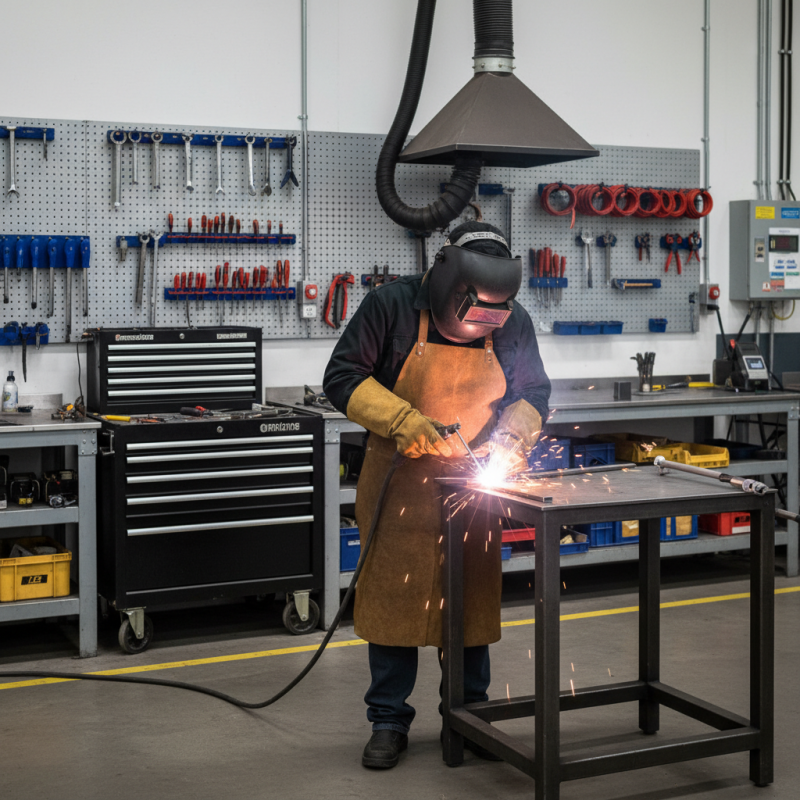
Welding Protection Tips for Safety and Efficiency in Workspaces
Welding Protection is crucial for maintaining safety and efficiency in workspaces. The welding process can produce intense heat and harmful fumes. As a result, workers must prioritize their well-being. Proper safety gear, like helmets and gloves, can protect against burns and eye damage.
Additionally, workspace organization plays a significant role in safety. Clutter can lead to accidents during welding tasks. Keeping tools in order reduces risks. Workers should regularly inspect their equipment for wear and tear. This simple step can prevent injuries and enhance efficiency.
It's important to acknowledge that even with precautions, accidents can happen. Unforeseen events may challenge even the most prepared welder. Reflecting on past incidents helps identify areas needing improvement. By emphasizing Welding Protection, workers can create a safer, more productive environment.
Essential Personal Protective Equipment (PPE) for Welders
Welding can be hazardous. Wearing proper personal protective equipment (PPE) is crucial for safety in this field. A welding helmet protects the face and eyes from harmful UV rays and sparks. Ensure it fits snugly and has appropriate filters for your work.
Gloves are another essential piece of PPE. They should be heat-resistant and durable. Look for gloves that offer flexibility to handle tools easily. Steel-toed boots are also important. They protect your feet from heavy objects. Consider using boots with slip-resistant soles for better traction.
Remember, PPE is not just a formality. It needs to be inspected regularly. Damaged gear can provide a false sense of security. Reflect on your daily practices. Are you taking all necessary precautions? Safety is paramount in welding, but it starts with you.
Hazards Associated with Welding and Their Prevention
Welding presents various hazards that can pose serious risks in the workplace. The most visible danger is the intense heat generated during the process. Molten metal can splatter and cause burns if proper precautions aren’t taken. It's crucial to wear protective clothing, including gloves and aprons, to minimize skin exposure. The right gear can make a big difference in preventing injuries.
Fumes and gases released while welding can also be harmful. Breathing in these toxins may lead to long-term health issues. Workspaces should be well-ventilated, but many times, I've seen poor air circulation in welding areas. Using respirators can be a good idea, yet some workers forget to utilize them. They can save lives, but they are often overlooked.
Electrical hazards are another concern. Improper grounding of welding equipment can lead to shocking incidents. Workers should regularly check their tools for any signs of wear. It’s easy to become complacent, yet even small issues can lead to significant risks. Awareness and a culture of safety must be cultivated to protect everyone involved.
Safe Workspace Setup for Welding Operations
Creating a safe workspace for welding is essential. The environment must be organized to minimize hazards. First, check ventilation systems. Proper airflow reduces fume exposure. A simple fan can help, but it must not interfere with operations.
Next, ensure your workspace is clutter-free. Excessive materials can become fire hazards. Organize tools and equipment in designated areas. This leads to efficiency and reduces the risk of accidents. Remember, every piece of equipment should have a place.
Consider the layout of your workspace. Make sure there are clear paths for movement. This helps avoid tripping and allows for quick evacuation if necessary. Lighting is crucial too; bright, focused lights can reveal unseen hazards. Reflect on your current setup. Are there any blind spots? Addressing these can significantly enhance safety.
Emergency Procedures and First Aid for Welding Injuries
In a welding workspace, safety is crucial. Emergencies can happen despite precautions. Wide-ranging injuries may occur, from burns to cuts. Being prepared is key. Quick access to first aid kits can make a difference. Ensure kits are stocked with bandages, antiseptics, and burn cream. Regularly check supplies to avoid running out during an emergency.
Know basic first aid procedures. For minor burns, cool the area under running water. Use sterile burn dressings to protect the skin. For more severe injuries, seek medical help immediately. Time matters in these situations. It's essential to communicate clearly with help and describe injuries accurately. This can help emergency responders arrive prepared.
Encourage everyone in the workspace to learn first aid basics. Consider group training sessions. Sharing knowledge creates a safer environment. Mistakes can happen, but learning from them is vital. It's not enough to have safety gear; understanding how to act in emergencies is equally important. We can't always prevent accidents, but we can minimize their impact.
Regular Maintenance and Inspection of Welding Equipment
Regular maintenance of welding equipment is crucial for safety and productivity. According to a report from the American Welding Society, approximately 30% of accidents occur due to equipment failure. When tools and machines are not regularly inspected, hidden issues can lead to serious injuries. Basic checks should include inspecting cables, checking gas supplies, and ensuring no leaks are present.
Ignoring the importance of maintenance can result in decreased efficiency. A study showed that poorly maintained equipment can lead to an average productivity loss of 25%. Simple practices, such as cleaning nozzles and checking protective gear, can prevent larger problems. Too many workers overlook these tasks, thinking they are unnecessary.
Implementing a routine maintenance schedule can be a game changer. Workers must be trained to identify potential risks. It’s important to engage every team member in this process. Keeping equipment in good condition promotes a safe environment. Regular maintenance not only protects workers but can also extend the lifespan of costly equipment.
Welding Protection Tips for Safety and Efficiency in Workspaces - Regular Maintenance and Inspection of Welding Equipment
| Tip | Description | Frequency of Maintenance | Importance |
| Visual Inspection | Check for any visible signs of wear or damage on welding equipment before each use. | Before Each Use | Critical |
| Cleaning Equipment | Regularly clean the welding machine and accessories to prevent accumulation of dust and debris. | Weekly | High |
| Check Electrical Connections | Ensure all electrical connections are secure and free from corrosion. | Monthly | High |
| Calibration | Regularly calibrate equipment to maintain accuracy in operations. | Quarterly | Essential |
| Replace Worn-Out Parts | Replace any worn or damaged parts immediately to ensure safe operation. | As Needed | Critical |