Top 10 Refractory Castable Mixer Machine Manufacturers
A refractory castable can look uniform in the bag and still behave differently after mixing. Water dosage, aggregate grading, mixing time, and blade condition all affect workability and placement. That is why choosing a Refractory Castable Mixer Machine deserves more attention than comparing motor power alone. The right equipment should produce repeatable batches, handle the specified particle sizes, and fit the pace of the production line.
Charles A. Schacht, editor of Refractories Handbook, is a recognized author in refractory engineering. The following line is an editorial paraphrase of process-control principles, not a verified direct quotation: “Reliable refractory performance begins with controlled materials and repeatable mixing.” It is a useful reminder. Even a well-built mixer cannot correct inconsistent raw materials or careless water measurement.
This guide to the Top 10 Refractory Castable Mixer Machine Manufacturers compares practical factors: batch capacity, mixing action, discharge design, wear-resistant components, and service support. Look closely at how each machine handles dense aggregates and whether operators can clean the mixing pan without awkward delays. Small design details matter. A narrow discharge opening, for example, may slow a busy casting area.
Manufacturer claims still need checking against your actual castable recipe and operating conditions. Ask for specifications, maintenance guidance, and a suitable demonstration before deciding. No ranking can replace a production trial. The best choice is the machine that delivers consistent results in your plant, not merely the one with the longest feature list.
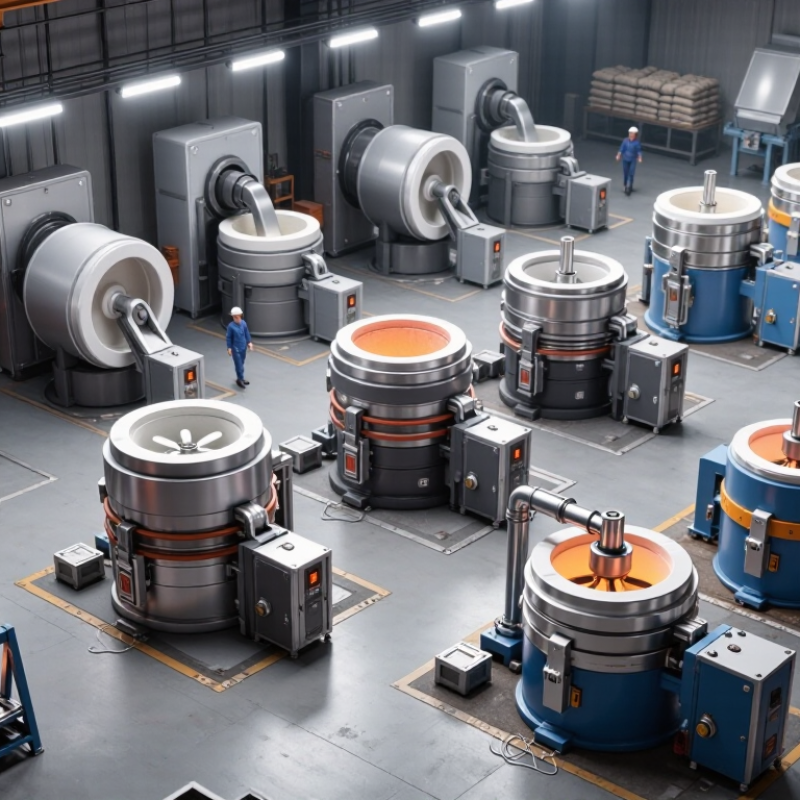
What Refractory Castable Mixer Machines Are and How They Work
A refractory castable mixer combines graded aggregates, fine powders, binders, and measured liquid into a workable lining material. Depending on its design, it may use rotating paddles, a pan, or forced-action blades to lift and fold the batch. The goal is even distribution, not simply fast rotation. Fine powder can cling to corners, while heavier grains settle if mixing is too brief. Small details matter.
Operators usually load dry ingredients according to the approved mix procedure, blend them, then add water or another specified liquid gradually. The mixer’s motion breaks up dry pockets and coats aggregate surfaces. Mixing time and batch size should follow the material supplier’s guidance; extra water can weaken the installed lining. Watch the texture. A consistent batch should hold together without obvious dry streaks or pools. Clean, but not always simple.
In practice, check blade wear, clearances, and the inside of the pan before production. Worn paddles may leave uneven zones, even when the machine sounds normal. Dust control and guarded moving parts also matter during loading and cleaning. A visual check helps, but it cannot confirm every property. Sampling and following the specified installation checks provide more reliable evidence. We can still miss things. A brief trial batch often reveals flow or discharge problems before a larger pour.
Criteria for Evaluating Refractory Castable Mixer Manufacturers
A refractory castable mixer manufacturer should be judged by process evidence, not capacity claims alone. The World Steel Association’s World Steel in Figures 2024 reports 1,892.2 million tonnes of crude steel production in 2023. This scale makes consistent refractory preparation important, but it does not prove a mixer’s performance. Ask for a trial using your own blend, batch size, and target mixing time. Record motor load, discharge time, and leftover material inside the pan.
Check whether the supplier can document mixing consistency and support trials with an appropriate test method, such as ASTM C860 for determining castable consistency. Inspect liner thickness, paddle clearance, and access for cleaning. Ask for maintenance intervals, spare-part lead times, and commissioning records. Measure the residue. A short trial may still miss wear or seasonal changes in raw materials, so confirm how results will be checked after installation.
Tips: Request a logged test batch and review the data with your process team. Look closely at the discharged mix; visible dry pockets are a warning. A polished brochure is not enough.
Profiles of 10 Refractory Castable Mixer Machine Manufacturers
The first manufacturer profile focuses on compact pan mixers for small refractory batches. Its strengths may include a modest footprint and straightforward cleaning. The second emphasizes twin-shaft designs, which can help distribute dense aggregates and fine powders evenly. Ask how mixing uniformity is measured. The third profile centers on heavy-duty machines built for frequent production cycles. Buyers should check wear-part access, not just motor power. The fourth represents manufacturers offering several batch capacities. That flexibility matters when recipes and daily output change.
The fifth profile highlights customized equipment, such as altered discharge heights or dust-control connections. Custom work can add value, but drawings and acceptance criteria should be agreed upon early. The sixth focuses on automated controls, with saved recipes and timed mixing stages. Operators still need training. The seventh profile is service-oriented, with attention to commissioning, spare parts, and troubleshooting response. Service promises are difficult to compare without clear terms.
The eighth manufacturer profile emphasizes abrasion-resistant linings and replaceable paddles. Confirm material specifications against the actual castable mix. The ninth focuses on energy use and process monitoring, though published figures may not match every site. The tenth combines equipment supply with process guidance, but technical advice should be checked against trial results. Details matter. These profiles describe useful comparison points, not verified rankings of named companies. Real evaluations can remain incomplete when test conditions differ. Request a sample batch, inspect the mixer, and record mixing time, discharge behavior, and cleanout effort before deciding.
How to Choose a Manufacturer for Your Production Needs
Choosing a refractory castable mixer manufacturer starts with your actual recipe, not a catalogue’s maximum capacity. Record batch size, aggregate grading, binder dosage, moisture range, and target mixing time. In World Steel in Figures 2024, global crude steel output reached 1,892.2 million tonnes in 2023. That scale underlines why consistent refractory preparation matters to industrial operations. Still, sector size alone cannot tell you which machine fits your plant.
The IEA estimates that iron and steel production accounts for about 7% of global energy-related CO₂ emissions. Treat this as a reason to examine process efficiency, not as proof that one mixer will cut emissions. Ask manufacturers to run a witnessed trial using your own materials and mixing sequence. Check samples from different points in the batch, discharge residue, cycle time, and dust-control arrangements. Small batches can mislead. Test it live.
Also compare wear-part availability, maintenance access, commissioning support, and operator training. Ask for documented acceptance criteria and references from plants handling similar formulations. A polished specification sheet may omit awkward details, such as cleanout time between recipes. That matters. I would not assume the highest rated capacity is the best fit; daily batch size and changeover demands deserve equal weight. Use the trial results and service commitments to make the comparison, and keep any unresolved questions in writing.
How to use this chart: These are example evaluation weights, not survey results or industry benchmarks. Score each manufacturer against the same criteria using documented specifications, test results, and service terms; adjust the weights to fit your production needs.