Top Pick and Place Machines in 2026 for Global Buyers
Choosing a pick-and-place system in 2026 is not just a comparison of headline placement speeds. For global buyers, the right choice depends on board mix, component range, changeover frequency, and local service support. Small details matter. A nozzle change during shift startup, a feeder that needs frequent adjustment, or unclear software settings can slow real production. A Place Machine should be assessed in realistic conditions, not by brochure figures alone. Ask suppliers to demonstrate representative boards, fine-pitch components, and actual production files. Record setup time, placement accuracy, reject rates, and operator training needs.
This guide reviews leading machine options for different factory sizes and production goals. It compares practical features such as feeder capacity, supported components, software usability, and maintenance access. Some buyers may value flexibility for frequent product changes. Others may need consistent output across long production runs. We also consider the support that matters after installation, including spare-part access, technician availability, and clear training. No single model suits every line. That caveat matters. Specifications can look clean on screen; factory floors are messier. I would verify quoted performance with a hands-on trial and confirm service arrangements in the buyer’s region. Use these comparisons as a shortlist, then match each candidate to your boards, operators, space, and realistic production targets.
What Pick and Place Machines Do and Where They Are Used
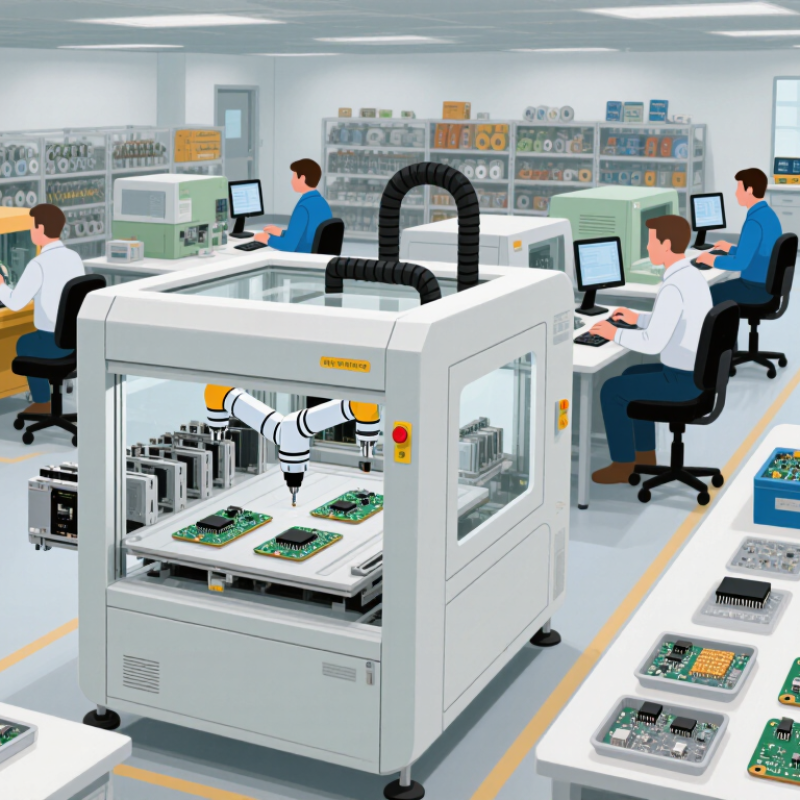
Pick and place machines move electronic components from feeders onto printed circuit boards. A placement head uses vacuum nozzles to lift parts, while a vision system checks their position and orientation. The machine then places each component at programmed coordinates. Small errors matter. A shifted resistor can affect later assembly, and a poorly seated connector may cause rework.
These machines are used in electronics factories producing devices such as routers, household controls, vehicle modules, and medical equipment. They handle tiny resistors, chips, connectors, and larger components on the same production line, depending on machine configuration. In practice, product changes require more than a new program: feeders, nozzles, board support, and inspection settings may also need adjustment. Setup takes time.
A suitable machine depends on component range, board size, required output, and the consistency of incoming materials. Cameras can detect alignment problems, but they cannot correct every issue caused by warped boards or damaged parts. Speed figures alone can be misleading; real output also depends on changeovers and downstream processes. One detail is easy to overlook: operators still need clear procedures for loading feeders and checking placement quality. A machine can be precise, yet production results may vary.
How Pick and Place Technologies Differ in 2026
Top Pick and Place Machines in 2026 for Global Buyers
How Pick and Place Technologies Differ in 2026
Pick-and-place machines vary in how they feed, identify, and position components. Some use fixed heads for straightforward, repeatable assemblies. Others use moving gantries or multiple placement heads to handle varied parts and higher output. Vision systems also differ: basic cameras check component position, while advanced inspection can correct rotation and alignment before placement. Stated placement speeds need context. A figure measured with tiny components may not reflect a board using connectors, fine-pitch chips, and frequent feeder changes.
Tips: Compare machines using your own board files and representative components. Check changeover time, feeder capacity, nozzle availability, and service access. Ask suppliers how they measure placement speed.
For global buyers, compare total operating fit, not just headline speed. A machine that handles small components accurately may still struggle with tall parts or awkward board layouts. Review placement accuracy, supported component ranges, software compatibility, and training requirements. Request a trial with real production materials when possible. I would not treat any single specification as decisive; actual line performance depends on the operator, board design, and maintenance routine. Even a strong machine can disappoint when feeders are poorly prepared.
Key Criteria for Comparing Machines Across Global Markets
Comparing pick and place machines across global markets starts with the products they will actually handle. A quoted placement rate may reflect ideal conditions, not frequent feeder changes or mixed board runs. Ask suppliers to demonstrate representative components, board sizes, and changeovers. Watch the machine run. Record placement accuracy, usable feeder capacity, and recovery time after a stoppage.
Factory conditions matter. Confirm electrical requirements, compressed-air needs, floor space, and temperature limits before comparing prices. Check that operating software, manuals, and training suit your team’s working language. Verify which conformity documents apply in the destination market, and clarify who handles installation and commissioning. Small details can delay a launch.
Support is measurable, too. Ask for typical spare-parts lead times, remote response arrangements, and technician availability in your region. Request a cost breakdown covering tooling, training, shipping, and routine maintenance, not just the purchase price. No scorecard is perfect. A neat spreadsheet can miss awkward realities, such as an operator struggling with a feeder change at the end of a long shift. Where possible, evaluate sample boards under conditions close to your own production mix.
Leading Pick and Place Machine Types for Different Production Needs
Pick-and-place machines differ in speed, reach, and the parts they handle well. For high-volume electronics lines, rotary or multi-head systems can place many small components quickly. They work best when product designs stay stable and feeders are carefully prepared. A misplaced reel or poorly loaded feeder can disrupt the rhythm. That matters.
Flexible gantry machines suit factories switching between boards, component sizes, or short production runs. Their vision systems can check component position before placement, while programmable heads handle varied layouts. They may not match a dedicated high-speed system on a fixed product, but changeovers are often simpler. Buyers should check the actual placement range, nozzle options, and supported board sizes, not just headline speed.
SCARA and delta machines are common choices for compact assembly and fast handling tasks. Delta designs can move lightweight parts rapidly, while SCARA units offer useful reach for assembly cells. Neither is automatically right for every factory. A practical evaluation should use representative parts and a real sample board, then compare placement accuracy, changeover time, and service access. One detail is easy to overlook: operators need room to load feeders and clear jams safely. The best machine is the one that fits the daily production mix, even if its maximum speed looks less impressive.
Top Pick and Place Machine Types for Different Production Needs
Illustrative rated placement speeds by machine type. Actual output varies with component mix, board design, setup, and production conditions.
How to Evaluate Suppliers, Compliance, and After-Sales Support
A fast demonstration is not proof of a dependable pick-and-place line. Ask suppliers for placement accuracy data, supported component sizes, feeder changeover times, and results from a board similar to yours. Request a factory acceptance test using your actual parts and program. Check who performs installation, training, and calibration, and how quickly spare feeders, nozzles, and vacuum pumps can arrive. Paperwork matters. Confirm that manuals, risk assessments, electrical documentation, and conformity documents match the machine’s intended destination and configuration. The IFR’s World Robotics 2024 report recorded 541,302 industrial robot installations worldwide in 2023, a 10% annual increase. That broader automation figure is not specific to placement machines, but it signals why service capacity deserves careful scrutiny.
After-sales promises need measurable terms. Ask for response-time targets, remote diagnostic hours, technician coverage, spare-parts lead times, and warranty exclusions in writing. Check whether software updates and operator training are included, and whether support continues after commissioning. Test it cold. A video call may not reveal a feeder fault or a recurring nozzle blockage. Speak with two current users, ideally running different shifts, and ask what failed during the first year. Compare answers with the supplier’s service records and escalation process. A polished demo can still hide weak field support; even a detailed checklist cannot eliminate that risk. That deserves honest consideration before a purchase order is signed.