
Print Logo

China Top Natural Gas Generator Manufacturers

China’s generator market spans compact standby units, industrial power systems, and large gas-fired installations. Choosing among manufacturers takes more than comparing rated output. Buyers should examine fuel compatibility, load response, emissions data, service coverage, parts availability, and documented testing. Details matter. A control panel’s alarm history or the clarity of a maintenance schedule can reveal as much as a polished brochure.

IEA Executive Director Fatih Birol has consistently emphasized balancing energy security, affordability, and sustainability. That perspective offers a useful lens for evaluating Natural Gas Generator manufacturers: dependable power must also make practical financial and environmental sense. This introduction sets the stage for comparing Chinese suppliers by product range, engineering capability, certifications, customization, and after-sales support. Specifications should be checked against the intended duty cycle, local gas quality, site conditions, and backup requirements—not treated as universal promises.

A ranked list can help narrow the field, but it cannot replace technical due diligence. No shortlist is perfect. Manufacturer claims may also leave unanswered questions about long-term parts supply or service response in a buyer’s region. The following overview therefore focuses on verifiable capabilities and practical selection criteria, while recognizing that the best supplier depends on the project. A factory seeking continuous power has different needs from a hospital or a remote worksite. The right comparison begins with those real operating conditions.
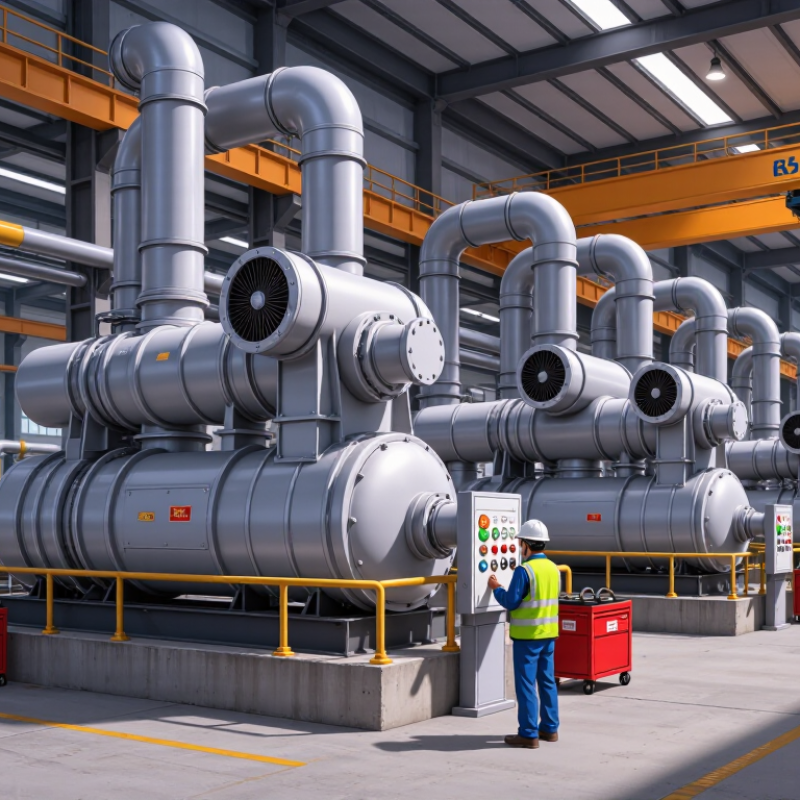
China Top Natural Gas Generator Manufacturers

Overview of China’s Natural Gas Generator Industry

China Top Natural Gas Generator Manufacturers

Overview of China’s Natural Gas Generator Industry

China’s natural gas generator industry supplies equipment for factories, commercial buildings, data centers, and remote energy projects. Manufacturers offer packaged units in different power ranges, from compact backup sets to larger systems designed for continuous operation. Applications differ. A hospital may prioritize dependable standby power, while a production site may focus on runtime and fuel costs.

The supply chain covers engines, alternators, control systems, acoustic enclosures, and system integration. Buyers should check rated output, gas pressure requirements, load response, maintenance intervals, and replacement-part availability. Test records matter. Factory testing can confirm basic performance, but site conditions affect real-world results. Gas composition, altitude, ambient temperature, and ventilation all influence output and service needs.

Some manufacturers support parallel operation, remote monitoring, or combined heat and power installations. These options require sound engineering, not just a longer feature list. A unit that appears efficient on paper may perform differently under frequent low-load operation. That is easy to overlook. Comparing technical documents, warranty coverage, commissioning support, and local service capacity helps buyers assess a supplier more reliably. Industry capabilities are developing, though consistency between product claims and field performance still deserves scrutiny.

How Natural Gas Generators Work and Where They Are Used

A natural gas generator converts fuel energy into electricity. In an engine-based unit, gas mixes with air and burns inside cylinders, turning a crankshaft connected to an alternator. Turbine models use hot expanding gas to spin a shaft. Controls regulate voltage and frequency, while ventilation carries heat away. It is a physical process: you can hear the engine settle as its load changes. The U.S. Energy Information Administration reports that natural gas supplied about 43% of U.S. utility-scale electricity generation in 2023, showing its broad role in power systems.

These generators serve hospitals, data centers, factories, farms, and remote facilities that need standby or continuous power. Some sites use combined heat and power systems, capturing engine or exhaust heat for water or building heating. The U.S. Department of Energy says CHP systems can reach 65–80% total efficiency, depending on design and operation. That figure includes useful heat, not just electricity. Actual performance may fall short when heat has no nearby use.

Tip: Size the unit for starting loads, not only normal demand. Check gas pressure, ventilation, noise, and service access. A neat specification sheet cannot show every site constraint. Cite: U.S. EIA, “Electricity Explained: Electricity in the United States”; U.S. DOE, “Combined Heat and Power Basics.”

China Top Natural Gas Generator Manufacturers - How Natural Gas Generators Work and Where They Are Used
Topic How It Works or Typical Characteristics Common Uses and Practical Notes
Fuel supply Natural gas, primarily methane, is supplied through a gas pipeline or from a suitable on-site gas system. Fuel pressure and quality must meet the engine manufacturer's requirements. Common where pipeline gas is available. Biogas or other gas fuels may require treatment and equipment configured for their specific composition.
Combustion and power generation In a spark-ignited engine, an air–fuel mixture is compressed and ignited. The engine turns a shaft connected to an alternator, which converts mechanical energy into electricity. Used for standby, prime, or continuous power, depending on the generator's rating, installation, and operating conditions.
Electrical output The alternator produces alternating current. Voltage, frequency, and phase depend on the generator configuration; common systems supply three-phase power for commercial and industrial loads. Output is selected to match the site's electrical system and load. Parallel operation can be used when multiple compatible units are designed to work together.
Electrical efficiency For many reciprocating natural-gas generator systems, electrical efficiency is broadly around 30–45% on a lower-heating-value basis. Actual efficiency varies with engine design, size, load, and site conditions. Compare efficiency using the same measurement basis and operating point. Part-load operation may have different efficiency from operation near rated load.
Combined heat and power (CHP) A CHP system captures useful heat from engine exhaust and cooling circuits in addition to generating electricity. Total useful-energy efficiency can exceed 70% when the recovered heat is effectively used. Suitable for facilities with steady demands for both electricity and heat, such as hospitals, campuses, food-processing sites, and district-energy systems.
Standby power A generator starts automatically after a utility outage when paired with compatible controls and an automatic transfer switch. Used at data centers, hospitals, commercial buildings, and industrial sites. Required capacity depends on essential loads and starting currents.
Prime and continuous power Prime-rated units are designed for variable loads and specified operating hours; continuous-rated units are intended for steady loads within their rating. Rating definitions vary by applicable standards. Used at sites with limited or unreliable grid access, remote facilities, and operations needing on-site generation. Check the applicable rating standard and service conditions.
Emissions and exhaust Natural-gas engines emit carbon dioxide and may produce nitrogen oxides, carbon monoxide, and unburned methane. Emissions depend on engine technology, controls, fuel, and operating conditions. Local permits may set limits and monitoring requirements. Exhaust routing, ventilation, noise control, and maintenance should be addressed during project design.
Typical installation considerations Design commonly accounts for gas pressure and flow, ventilation, cooling, exhaust, electrical protection, controls, access for maintenance, and fire-safety requirements. Site-specific engineering and compliance checks are important; applicable codes and permitting requirements vary by location and project type.

Key Criteria for Evaluating Chinese Manufacturers

When assessing Chinese natural-gas generator manufacturers, compare tested performance, not brochure figures. The U.S. Environmental Protection Agency’s Catalog of CHP Technologies: Reciprocating Engines (2015) places typical electrical efficiency at roughly 30–45% on an HHV basis, depending on engine size and configuration. Ask for test results showing fuel input, electrical output, and the calculation basis. Confirm that the proposed model suits your gas composition, altitude, ambient temperature, and expected load profile. Small details matter.

Request factory acceptance-test records and check whether an independent party can witness testing. Review load-step response, voltage and frequency stability, emissions data, and performance at both full and partial load. ISO 8528-5 provides a useful framework for evaluating generator-set performance and transient response. Also assess warranty terms, spare-parts availability, technician training, and response times in your operating region. A polished test sheet does not prove that local support is dependable. That deserves a second look. Ask for named service contacts, realistic parts lead times, and references from installations with similar duty cycles. Compare like with like: ratings, test conditions, and exclusions can differ between quotations.

Profiles of China’s Leading Natural Gas Generator Manufacturers

China’s leading natural-gas generator manufacturers are not one uniform group. Their profiles generally include engine producers, complete-set integrators, and export-focused assembly specialists. An engine producer may focus on combustion design, while an integrator coordinates the alternator, controls, cooling system, and enclosure. Compare verified output, gas-pressure range, altitude derating, and service coverage—not headline kilowatts alone.

The market is growing: the IEA’s Gas 2024 report says China’s gas demand rose 7% in 2023, contributing around one-third of global demand growth. This creates opportunities for manufacturers serving factories, commercial buildings, and combined heat-and-power projects. Stronger supplier profiles provide test conditions, part-load efficiency, maintenance intervals, and response-time details. Public specifications can still leave gaps. A polished brochure is not test data.

Tips: Request a factory test record and confirm the fuel composition used during testing. Ask for references from installations with similar loads and operating hours. Check who supplies replacement parts locally. That detail is easy to overlook.

Industry Trends, Standards, and Export Considerations

China’s natural gas generator manufacturers are responding to demand for flexible power, backup capacity, and lower-carbon electricity systems. The International Energy Agency’s Electricity 2024 report projects global electricity demand growth of about 4% in both 2024 and 2025. That growth strengthens interest in dispatchable generation, but it does not guarantee steady orders: fuel prices, grid conditions, and renewable deployment vary by market. Buyers should compare heat rate, start-up time, and performance at partial load—not just rated output.

Standards shape product design and export readiness. ISO 8528 covers engine-driven AC generating sets, including performance and test requirements. Yet certification needs depend on the destination. Check local emissions limits, electrical frequency and voltage, noise rules, and required conformity documents before shipment. A 50 Hz unit is not automatically suitable for a 60 Hz site. Small details matter. A mismatched connector or control setting can delay commissioning.

For Chinese suppliers, export evaluations should include factory test records, component traceability, service coverage, and clear warranty terms. Ask for load-bank results at several operating points, plus documented gas-pressure and fuel-quality limits. IEA projections are useful context, not a sales forecast. One weakness in many comparisons is the focus on purchase price; lifecycle fuel use and maintenance intervals deserve equal attention. The paperwork can be imperfect, too—buyers should verify every specification against the actual delivered configuration.

China Top Natural Gas Generator Manufacturers: Industry Trends, Standards, and Export Considerations

Selected standards relevant to natural gas generator manufacturing and export, shown by publication or adoption year.

Export requirements depend on the destination, engine application, and equipment configuration. These dates identify the listed documents, not product certification deadlines; exporters should verify current local requirements before shipment.