Essential Tips for Choosing Photovoltaic Connectors?
When installing solar energy systems, the choice of Photovoltaic connectors is crucial. These connectors establish the link between solar panels and the inverter. Their reliability greatly affects system performance and safety. Poor-quality connectors can lead to power loss, system failures, and potential hazards.
Selecting the right photovoltaic connectors involves several considerations. They must endure harsh weather conditions, ensuring longevity. Compatibility with different solar panel types is essential for efficiency. It's vital to choose connectors that meet industry standards for safety and durability.
Some may overlook the importance of connector quality. This oversight can lead to serious issues down the road. Researching connector options pays off in the long run. Investing time in understanding various offerings will benefit the system's overall success. Quality photovoltaic connectors contribute to the long-term effectiveness of the solar energy solution.
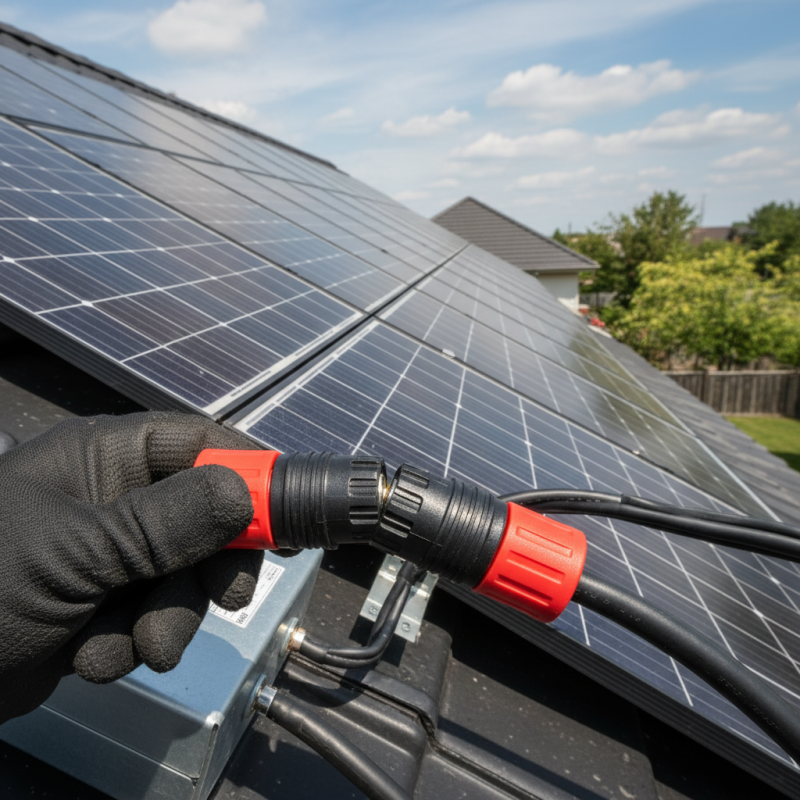
Understanding Photovoltaic Connectors: A Brief Overview
Photovoltaic connectors play a crucial role in solar energy systems. They link solar panels to inverters and other components. A reliable connection ensures optimal energy conversion and safety. According to industry reports, over 60% of solar installation issues stem from poor connections. Thus, selecting the right connectors is essential.
When choosing photovoltaic connectors, consider the environment. The connectors must withstand UV exposure and temperature variations. Look for connectors with IP67 or higher ratings to ensure durability. Checking for compatibility with your existing systems is also critical. Not all connectors perform equally under various conditions.
Tip: Always prioritize quality over cost. While cheaper options may seem attractive, they can lead to failures. This could result in costly repairs or downtime. Aim for connectors with proven performance records. Regularly inspect connectors for signs of wear or corrosion. Doing so prevents unexpected issues that could hinder solar energy production.
Essential Tips for Choosing Photovoltaic Connectors
| Connector Type | Current Rating | Voltage Rating | Temperature Range | Compatibility |
| MC4 | 30A | 1000V | -40℃ to +85℃ | 1.5mm² to 6mm² |
| Tyco/AMP | 25A | 600V | -40℃ to +105℃ | 2.5mm² to 10mm² |
| H4 | 20A | 1500V | -40℃ to +85℃ | 4mm² |
| Solaris | 30A | 1000V | -40℃ to +90℃ | 2.5mm² to 16mm² |
| BLADE | 20A | 1000V | -55℃ to +125℃ | 1mm² to 4mm² |
Types of Photovoltaic Connectors and Their Applications
Photovoltaic connectors play a crucial role in solar energy systems. They're essential for linking solar panels securely. There are several types of connectors to consider for different applications. MC4 connectors are common due to their ease of use and reliability. They're designed to withstand harsh conditions, making them suitable for outdoor settings.
Another type is the Amphenol connector. It's often used in larger installations. These connectors are robust and provide better performance for high-power systems. They can be a bit challenging to install, which may discourage some users. Care is needed during installation to prevent issues later.
H4 connectors offer a unique advantage with multi-branch capabilities. This feature allows multiple strings of panels to connect easily. However, they can be more expensive than traditional connectors. Analyzing the cost versus benefits is vital before deciding. It's essential to weigh the ease of maintenance against the upfront investment. Each type of connector has its pros and cons, which require careful consideration.
Key Factors to Consider When Selecting Photovoltaic Connectors
When selecting photovoltaic connectors, several key factors should be considered. The environment where the connectors will be installed plays a vital role. Wet or humid locations require connectors that can withstand moisture. Dusty or sandy areas demand connectors with superior sealing abilities. It's essential to ensure that the connectors you choose can endure harsh conditions.
Compatibility is another critical aspect. Not all connectors work well with every solar panel or system. Check specifications carefully to avoid mismatches. Another factor is the rating of the connectors. They must support the voltage and current your system generates. Selecting connectors with insufficient ratings can lead to overheating or failures.
Consider the materials used in the connectors as well. High-quality materials with corrosion resistance extend the lifespan. Sometimes, budget constraints lead to compromises on quality. This can affect performance and maintenance in the long run. A well-informed decision can mitigate such risks. Regularly revisiting your choices ensures you adapt to new advancements in technology and materials.
Ensuring Compatibility with Solar Panels and Inverters
When selecting photovoltaic connectors, ensuring compatibility with solar panels and inverters is crucial. According to a report by the International Renewable Energy Agency, over 50% of solar system failures are related to poor connections. This statistic highlights the importance of choosing the right connectors that suit both the solar panels and inverters.
Several factors affect compatibility. The connector type, wire gauge, and voltage ratings must align. For example, MC4 connectors are widely used in the industry. Yet, many users overlook specific ratings that could lead to inefficiencies. Reports indicate that using mismatched connectors can cause power losses up to 15%. This not only reduces energy harvest but can also lead to safety hazards.
Installation practices play a role in overall system performance too. In a study published by Solar Power World, it was found that improper installation of connectors was a common mistake. Such errors often stem from a lack of training among installers. Ensuring that connectors are tight and properly sealed is essential. If any doubts arise, professionals should be consulted to prevent future issues.
Best Practices for Installing Photovoltaic Connectors Safely
When installing photovoltaic connectors, safety should be the top priority. Start by ensuring all components are compatible. Mismatched connectors can lead to overheating or system failure. Use the right tools for the job. A simple mistake can cause a short circuit or damage the equipment.
Pay attention to the installation environment. Connectors should be protected from harsh weather and debris. Using durable materials can prolong their lifespan. Always check for wear and tear. A tiny crack can lead to significant issues later. Remember, regular inspections are essential.
Handling connectors with care is crucial. Wear gloves to avoid skin irritation and ensure a secure grip. Double-check each connection. Even small gaps can cause energy loss. Document the installation process. Reflect on mistakes, learn what went wrong, and improve future installations.