Essential Tips for Choosing the Right Battery Connector?
When selecting a Battery Connector, various factors must be considered. The right choice can significantly affect performance and safety. Battery connectors play a vital role in ensuring reliable power transfer between components. Whether for consumer electronics, electric vehicles, or renewable energy systems, every application demands specific requirements.
Understanding the types of battery connectors available is crucial. Factors such as current rating, voltage, and environmental conditions dictate the appropriate selection. Adopting the correct connector not only enhances efficiency but also minimizes risks of failure. A poor choice may lead to overheating or even short-circuiting. Attention to detail is necessary when making this decision.
Ultimately, the process of choosing a battery connector requires careful consideration. Consulting with experts in the field can provide insights into optimal selections. Be prepared to review specifications and design needs thoroughly. Making informed choices will ensure longevity and reliability in your applications. Choosing the right battery connector is not merely about functionality; it is about safety and efficiency too.
Understanding Different Types of Battery Connectors
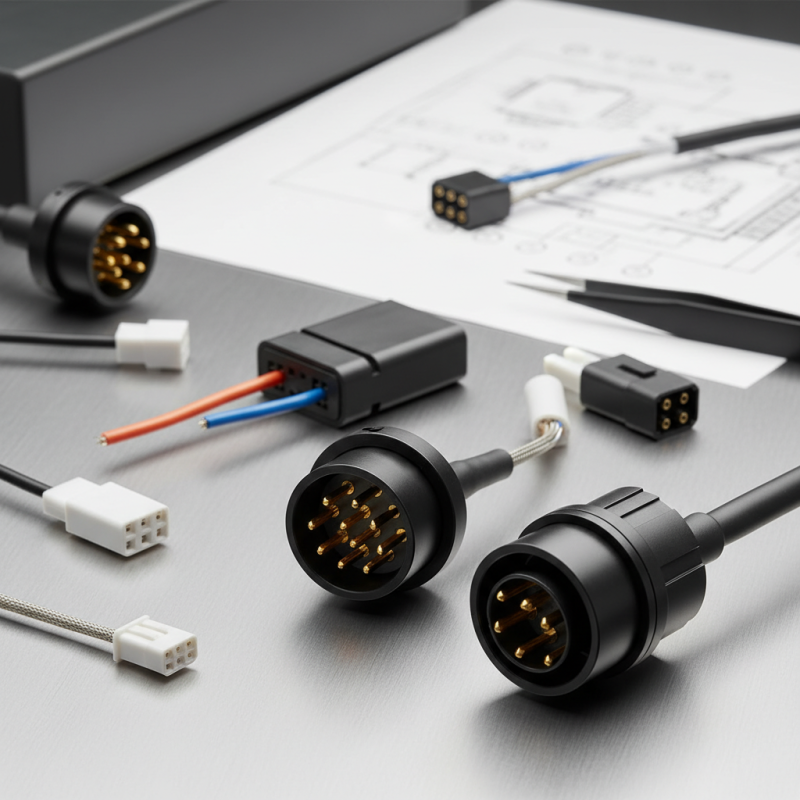
When selecting the right battery connector, understanding the different types is crucial. Battery connectors come in various shapes and sizes, designed for specific applications. For instance, spade connectors are common in automotive uses. They allow for easy disconnection and connection, making them user-friendly. On the other hand, barrel connectors are often seen in portable electronics. They provide a secure fit, ensuring power transfer without interruption.
Choosing the right connector requires careful consideration of the application. For high-current systems, bullet connectors are often preferred. They can handle more power while maintaining a reliable connection. However, their size might not work for compact devices. Understanding the gauge of wire and the connector’s rated capacity will help in making informed decisions. Many users overlook these details, leading to mismatches that can cause failures.
Be aware of the material used in connectors as well. Some may be prone to corrosion, especially in outdoor settings. Copper is a popular choice for its conductivity but check its coating too. Over time, these details can affect performance. If you've had an issue before, reflect on your connector choices. Making adjustments this time could enhance longevity and efficiency.
Key Factors to Consider When Selecting a Battery Connector
When selecting a battery connector, several key factors come into play. The first consideration is the connector type. Different applications require varying types of connectors, such as solder, crimping, or plug-in types. Choosing the right type impacts performance and longevity. Evaluate your specific use case carefully.
Another important aspect is the current rating. The connector must support the required current without overheating. An undersized connector may not perform well and can lead to failure. Always look for connectors with a rating above your needs to ensure reliability.
Compatibility with your battery system is crucial. Check materials and dimensions to avoid delays in projects. Look for connectors that can withstand environmental factors like temperature and humidity. Regularly inspect connectors for wear and damage to maintain safety.
Tips: Always prioritize safety by selecting connectors that meet industry standards. Research various materials, as some offer better conductivity and resistance to corrosion. Don’t hesitate to seek professional advice if needed. Small decisions in connector selection can make a significant difference in your project's success. Don't overlook these details; they matter.
Assessing Compatibility with Your Battery and Device
When selecting a battery connector, compatibility is vital. Every device has specific requirements. Assess your battery’s voltage and current specifications. Different devices operate under different conditions. A mismatch might lead to poor performance or even damage.
Look closely at the connector type. Some devices require specific shapes and sizes to ensure a secure fit. Verify that the connector aligns well with your battery terminals. Keep in mind that even slight differences can create issues. Research connection types, such as soldered or snap-on, depending on your technical skills.
Pay attention to material quality. Connectors made from durable metals resist corrosion better. This factor affects longevity and reliability. A poor-quality connector might save money initially but could result in performance loss. Don't overlook the importance of proper gauge wiring. Incorrect gauge can limit current flow and lead to overheating. Be ready to explore different options and reflect on your choices.
Evaluating Electrical Ratings and Performance Specifications
Choosing the right battery connector requires a deep understanding of electrical ratings and performance specifications. Key factors include voltage, current, and temperature ratings. For instance, a report from the IEEE indicates that connectors with a higher voltage rating tend to withstand surges better. This is crucial in applications where power fluctuations occur frequently, such as renewable energy systems.
When evaluating connectors, consider their material and design. Connectors made from high-grade copper often exhibit better conductivity than those made from aluminum, according to industry standards. Pay close attention to the performance under various environmental conditions. For example, connectors rated for high temperatures can prevent overheating and extend system longevity.
Tips for selection include assessing the application demands. Ensure the connector matches or exceeds the current and voltage needs. Test real-life scenarios before making a purchase—simulating conditions can reveal potential weaknesses. Regular evaluations after installation are also essential. These can identify early signs of failure, allowing for proactive maintenance. A connector that meets initial specifications may still underperform in the long run, prompting the need for reassessment.
Essential Tips for Choosing the Right Battery Connector
| Connector Type | Voltage Rating (V) | Current Rating (A) | Material | Temperature Range (°C) | Application |
| Anderson Powerpole | 600 | 45 | Copper | -20 to 105 | RC Vehicles |
| XT60 Connector | 60 | 60 | Nickel-plated Brass | -20 to 80 | Drone Batteries |
| Deans Connector | 50 | 50 | Copper | -20 to 90 | Electric Cars |
| JST Connector | 50 | 5 | Phosphor Bronze | -25 to 85 | Consumer Electronics |
| Molex Connector | 600 | 9 | Copper Alloy | -40 to 105 | Industrial Applications |
Ensuring Durability and Reliability in Harsh Environments
When selecting battery connectors for harsh environments, durability and reliability are vital. Extreme temperatures, humidity, and vibrations can compromise connections. A high-quality connector should be resistant to corrosion and temperature changes. Materials like nickel-plated brass or stainless steel often offer superior performance in demanding settings.
Proper sealing is also essential. Waterproof and dustproof designs can prevent contaminants from entering the connector. Look for connectors with ratings such as IP67 or higher for maximum protection. The choice of locking mechanisms matters too. A secure lock prevents disconnection during vibrations, which can be critical in many applications.
While thorough research is important, not all connectors will meet expectations in real-world conditions. Testing under actual usage scenarios can reveal weaknesses. It's also helpful to gather feedback from other users. This can provide insights into the longevity and reliability of specific connector types. Always remain cautious, as sacrificing quality for cost can lead to unexpected failures.
Battery Connector Durability in Harsh Environments