
Print Logo

7 Tips for Buying Phoenix Contact Products

Buying Phoenix Contact products is not just a part-number exercise. A terminal block, relay, or industrial connector must fit the application, wiring method, operating conditions, and maintenance plan. A mismatch can mean more than a frustrating installation. It can cause delays, rework, or avoidable downtime.

The stakes are rising. Deloitte’s 2022 Smart Manufacturing and Operations Survey found that 86% of surveyed manufacturers expected smart manufacturing to become a primary driver of competitiveness within five years. That shift makes reliable connectivity and component selection increasingly important. Phoenix Contact’s former CEO Frank Stührenberg has described the company’s broader vision as the “All Electric Society.” It is an ambitious direction, but buyers still need to check practical details: exact series, voltage and current ratings, approvals, wiring compatibility, and product availability.

Small details matter. A connector that looks right on a catalog page may not suit a specific cable, enclosure, or installation environment. Compare the manufacturer’s datasheet with your bill of materials, and confirm the complete part number before ordering. Check whether the seller is authorized, too; attractive pricing alone does not establish traceability or support. These seven tips offer a grounded way to evaluate Phoenix Contact products, from confirming specifications to planning for long-term service. They cannot replace an engineer’s review. And, honestly, a careful checklist still cannot predict every site-specific surprise.
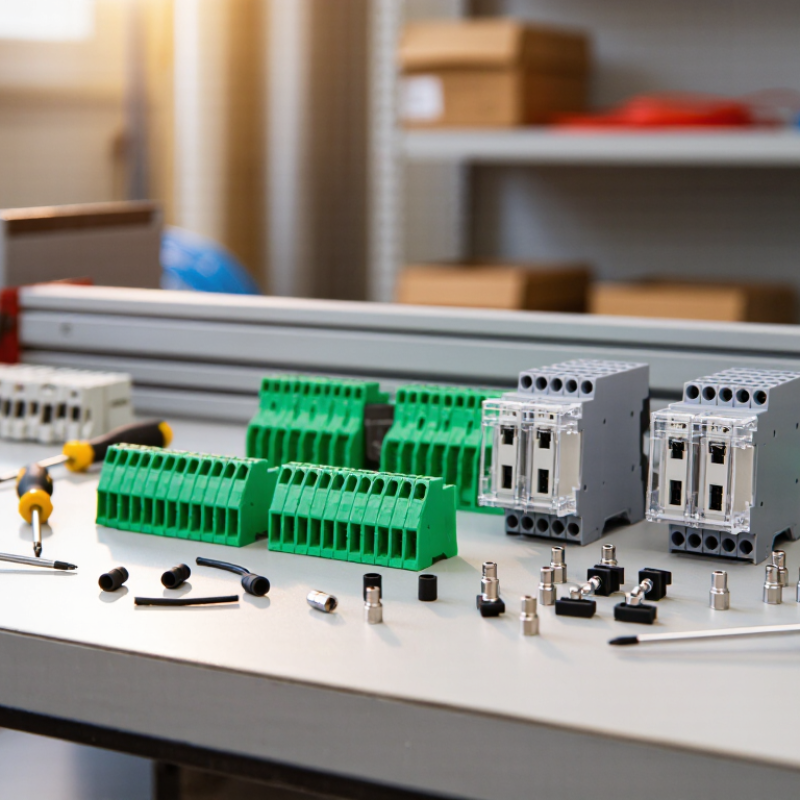
7 Tips for Buying Phoenix Contact Products

Understanding Phoenix Contact Product Categories

Electrical products are easier to compare when grouped by function. Terminal blocks connect and organize conductors inside a control cabinet. Choose a type that matches wire size, current, and mounting space. A compact spring-clamp model can save room, while screw connections may suit other installation preferences. Fit matters.

Connectors link equipment that may need quick disconnection or frequent service. Relays switch circuits, while power supplies convert incoming power for control devices. Input voltage and output capacity deserve careful checks. A supply that looks suitable on paper may run hot when several devices operate together. Check the load.

Control and interface products include controllers, input/output modules, and signal-conditioning devices. These help equipment exchange commands and measurements. Surge-protection products address voltage spikes, but the right choice depends on the circuit and installation conditions. Marking systems also matter: clear labels can make later troubleshooting less frustrating. They are easy to overlook.

Before buying, map each category to a real task in the machine or panel. Note the required voltage, current, connection style, enclosure space, and environmental conditions. Then compare the exact specifications, not just the product family name. Category labels are useful, but they do not guarantee compatibility. I have seen selection lists become confusing when similar items serve different roles. Leave room for a second check. A wiring diagram and the equipment documentation can reveal mismatches before an order is placed.

Defining Application and Technical Requirements

Selecting electrical components begins with the task they must perform, not a catalog photo. Define the signals, load, environment, and installation limits. Record operating voltage, peak current, switching frequency, and expected service life. A sensor interface inside a warm cabinet may need different protection from a terminal near moisture or dust. Measure available space, too: rail width, clearance for wire bends, and tool access can all affect fit. Small details matter.

Turn these needs into checkable specifications. Note conductor type and size, connection method, temperature range, vibration exposure, and required enclosure protection. Check whether the device must communicate with existing controllers, then record the protocol, channel count, and diagnostic features. Use drawings and technical datasheets to confirm dimensions and ratings; a similar-looking part is not proof of compatibility. If a value is unknown, mark it as an assumption and have the responsible technician verify it. A first draft will probably miss something. Revisit the list after inspecting the installation site, since plans may not show every cramped corner or nearby heat source.

Verifying Product Authenticity and Compatibility

A neat label is not proof. The OECD and EUIPO estimated that counterfeit goods represented 3.3% of world trade in 2016, worth about $509 billion. That estimate covers all product categories, not electrical components alone, but it shows why appearance cannot establish authenticity. Request a traceable invoice, inspect packaging and lot codes, and compare the exact part number and revision with the product documentation. I would not rely on a familiar-looking logo; that shortcut is tempting, and weak.

Compatibility needs equal care. Check rated voltage and current, terminal pitch, wire size, mounting dimensions, temperature range, and required approvals against the equipment’s specifications. Confirm that the connector’s pin layout and coding match the mating part. IEC 60664-1 provides insulation-coordination guidance, but a standards reference does not prove that a specific component suits your installation. Ask for a current datasheet and written confirmation when revisions differ. A small mismatch matters. I have to admit, dimensions are easy to overlook when a part looks nearly identical. Keep the order record and technical documents together; they make later inspection less guesswork.

7 Tips for Buying Industrial Products: Verify Authenticity and Compatibility

A practical checklist of product and supplier details to verify before ordering. Bars show the number of fields included in each checklist area—not market statistics. Requirements vary by product and application.

How to use it: Match the exact part number and revision to the datasheet, confirm electrical and mechanical requirements, check environmental ratings and applicable approvals, and request traceable sourcing documentation. Confirm interfaces and pinouts against your system documentation before purchase.

Comparing Suppliers, Pricing, and Availability

When comparing suppliers, start with the exact part number, revision, and required quantity. Similar-looking terminal blocks or relays may differ in ratings, connection style, or mounting dimensions. Ask each supplier to confirm the item in writing. A clear answer is useful; vague “compatible” claims deserve a second look.

Check availability beyond the headline stock count. A listing may show ten units, while only two are ready to ship. Request a dated quote that separates unit price, shipping, and any minimum-order charge. Then compare the delivered cost, not just the catalog price. Lead time matters too. A lower quote is less attractive if it delays a panel build by three weeks.

Reliability has value.

For critical equipment, ask about traceability, packaging condition, and documentation such as a datasheet or certificate of conformity when applicable. Review the return policy before ordering, especially for surplus or special-order items. Keep the supplier’s written confirmation with your purchasing records. It is easy to overlook this small step.

A practical comparison sheet can track price, confirmed quantity, dispatch date, and support response time. One weakness: supplier estimates can change after checkout. Reconfirm availability before placing a time-sensitive order, and leave room in the schedule for ordinary shipping delays.

7 Tips for Buying Phoenix Contact Products - Comparing Suppliers, Pricing, and Availability
Tip What to Compare Supplier or Purchasing Check Pricing and Availability Considerations Action Before Ordering
1 Exact part number and product specification Compare the full part number, product family, ratings, connection type, and required accessories across supplier listings. Similar-looking items may have different specifications or included components, affecting both price and suitability. Confirm the part number against the product datasheet and your application requirements.
2 Supplier authorization and traceability Check whether the supplier is an authorized sales channel and whether it can provide traceable product documentation. Prices and stock can differ between suppliers. Unusually low offers warrant additional checks on condition and provenance. Request written confirmation of product condition, traceability, and applicable warranty terms.
3 Total landed cost Compare item price, shipping, taxes, duties where applicable, and any order or handling charges. A lower unit price may not mean a lower total cost, particularly for small orders or international shipments. Compare written quotes using the same quantity, delivery address, currency, and shipping terms.
4 Inventory status and quantity Distinguish stock physically available from supplier, distributor, or manufacturer stock that must first be sourced. Online stock status can change; availability may depend on quantity, location, and order confirmation. Ask the supplier to confirm available quantity and reserve stock when timing is critical.
5 Lead time and delivery commitment Compare the estimated dispatch date, transit time, shipping method, and delivery destination. Quoted lead times are estimates unless the supplier confirms a firm commitment; special-order items may take longer. Request a dated delivery estimate and check whether partial shipments are available.
6 Product lifecycle and replacement options Check current product documentation for lifecycle notices, recommended replacements, and compatibility details. Older or discontinued items may have limited availability and variable pricing in secondary channels. For long-term projects, verify lifecycle status and approve any substitute before purchase.
7 Returns, warranty, and support Compare return eligibility, restocking terms, warranty handling, and access to technical support. Return periods and warranty procedures can vary by supplier and may exclude configured, opened, or special-order products. Review the written terms before ordering, especially for project-critical or nonstandard items.

Reviewing Warranty, Support, and Delivery Terms

Before ordering industrial components, read the warranty in writing. Check its duration, start date, exclusions, and remedy for defective goods. Does coverage begin at shipment or installation? That difference can affect a project delayed in storage. Keep invoices, serial numbers, and inspection photos together. A small oversight matters.

Support terms deserve equal scrutiny. Confirm response hours, technical escalation routes, and whether troubleshooting requires a return shipment. Ask who pays freight and diagnosis costs if a fault is disputed. The World Bank’s 2023 Logistics Performance Index assessed 139 economies across six dimensions, including timeliness and logistics quality. Those measures are a useful reminder: a warranty has little practical value if replacement procedures are unclear or slow.

Delivery promises need specifics, not just an estimated date. Request lead times by item, shipment tracking, packaging details, and notice procedures for delays. MHI’s 2024 Annual Industry Report found that 55% of surveyed organizations planned to invest in robotics and automation, highlighting the pressure on supply chains to serve changing operations. Still, forecasts are not guarantees. I would compare the supplier’s written terms with the actual receiving process: dock hours, inspection time, and who signs for partial shipments. One detail is easy to miss: confirm how back orders affect the rest of the order.