Three Way Valve Buying Guide Tips for Global Sourcing?
When sourcing a three way valve, understanding the complexities is crucial. The global valve market is projected to reach USD 88.56 billion by 2027, highlighting the significance of this component in various industries. Reliable data shows that three way valves play a vital role in fluid control systems, making their selection critical for operational efficiency.
Choosing the right three way valve requires attention to specific parameters. Factors such as material compatibility, pressure ratings, and application type significantly influence valve performance. Reports indicate that 25% of operational failures stem from improper valve selection, underscoring the need for informed sourcing decisions.
While many suppliers offer a range of options, not all meet high-quality standards. It’s essential to research manufacturers and their certifications. This ensures reliability and safety in upgrades or replacements. As the market evolves, being equipped with the right knowledge means navigating challenges effectively and optimizing your systems for the future.
Understanding Three Way Valves: Types and Applications in Industry
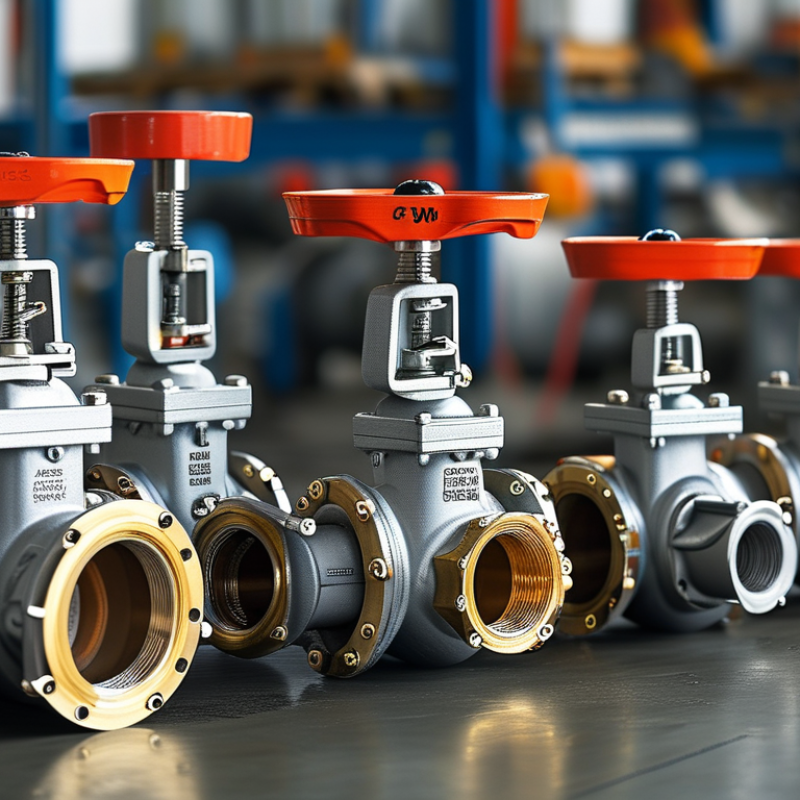
Three way valves play a crucial role in numerous industrial applications. They are designed to control the flow of fluids in multiple directions. You can find these valves in various configurations, such as L-shaped and T-shaped designs. Each type serves specific needs, affecting efficiency and safety in processes.
In industries like oil, gas, and water treatment, three way valves are indispensable. The L-shaped valve efficiently redirects flow, making it suitable for mixing applications. The T-shaped valve, on the other hand, can divert fluids to different paths, which can enhance system flexibility. Choosing the right type can significantly streamline operations and reduce potential downtimes.
When sourcing these valves, consider factors such as the material, size, and pressure rating. Understanding your application’s requirements is vital. Some users overlook how specific conditions can affect valve performance. Engaging with industry experts can provide valuable insights. However, not all solutions are one-size-fits-all. Continuous assessment of system needs can lead to better decisions in valve selection.
Key Specifications to Consider for Sourcing Three Way Valves Globally
When sourcing three-way valves globally, it's crucial to understand key specifications that influence performance and reliability. According to a recent industry report by Research and Markets, the global valve market is projected to reach USD 35 billion by 2025, with a significant portion attributed to three-way valves. Accurate selection of material, pressure ratings, and connection types can significantly impact system efficiency.
Take note of the actuating mechanism. Pneumatic, hydraulic, and manual options each come with unique benefits and drawbacks. For instance, pneumatic systems often offer faster response times but can be more complex to install. Evaluating your operational environment is essential. Extreme temperatures or corrosive substances may require specific materials like stainless steel or special coatings.
Understand that each valve type serves different applications. Some are designed for mixing fluids, while others are better suited for diverting flow. Performing a thorough application analysis can prevent costly mistakes. Regular maintenance and inspection can extend valve life and enhance performance, so factor in service accessibility during your selection process. Make sure to acquire certifications that meet international standards for quality and safety.
Three Way Valve Buying Guide Tips for Global Sourcing
| Specification |
Description |
Importance |
| Material |
Common materials include brass, stainless steel, and plastic. |
Material affects durability and compatibility with different fluids. |
| Pressure Rating |
Indicates the maximum pressure the valve can withstand. |
Critical for ensuring safety and performance in high-pressure applications. |
| Size |
Specified in terms of diameter or connection size. |
Size must match the piping system for proper flow and function. |
| Actuation Type |
Can be manual, electric, or pneumatic. |
Choice of actuation affects operational efficiency and control. |
| Connection Type |
Includes threaded, flanged, or welded connections. |
Must align with existing system configuration for a proper fit. |
| Temperature Rating |
Specifies the maximum and minimum temperature limits. |
Essential for applications involving extreme temperatures. |
| Certification Standards |
Includes industry standards like ISO, ANSI, or API. |
Ensures quality, reliability, and compliance with regulations. |
Global Market Trends: Demand and Growth of Three Way Valves by Region
The global market for three-way valves is witnessing significant growth. Various regions are adapting to industrial needs, leading to varying demands. In North America, a shift towards automation has increased the need for efficient control systems. This trend drives three-way valve adoption in sectors like oil and gas and manufacturing.
In Europe, energy efficiency and sustainability are pushing organizations to upgrade their existing systems. As a result, the focus on high-quality, reliable valves is paramount. Asian markets also show vast potential, primarily due to rapid industrialization and urbanization. Regions like China and India are expanding their infrastructure, prompting a surge in demand.
However, challenges persist. Quality control remains a concern during global sourcing. Buyers must navigate differing standards across countries. This leads to inconsistencies in valve performance. It's essential to establish clear communication with manufacturers and verify their credentials. Understanding regional market dynamics is vital for making informed sourcing decisions. Facing these challenges can foster improvement, ultimately benefiting industries worldwide.
Quality Standards and Certifications for Three Way Valves in Global Trade
When sourcing three way valves globally, understanding quality standards is crucial. Organizations like ISO and API set benchmarks for durability and performance. For instance, ISO 9001 emphasizes quality management systems. Adhering to such standards ensures that valves can withstand varying pressures and flow conditions.
Certifications play a pivotal role in trade. The CE marking signifies compliance with EU safety requirements. Additionally, valves certified by the American National Standards Institute (ANSI) assure buyers of their reliability. A report from the American Society of Mechanical Engineers (ASME) indicates that adherence to specific quality standards reduces failure rates significantly.
Moreover, regional variations in quality standards can create challenges. Not all manufacturers follow the same guidelines, leading to inconsistent product quality. It's essential for buyers to conduct thorough due diligence when sourcing. Inspecting certifications and verifying manufacturing processes can mitigate risks. Relying solely on price can lead to overlooking critical quality aspects.
Cost Analysis: Pricing Factors for Sourcing Three Way Valves Worldwide
When sourcing three-way valves worldwide, understanding pricing factors is crucial. Costs can vary greatly due to material choices, complexity, and manufacturing processes. For example, stainless steel valves often come at a premium compared to plastic options. Additionally, the design intricacies can significantly affect the production cost. Simple designs may be more cost-effective, while specialized configurations could lead to higher expenses.
Another important aspect is the geographic location of suppliers. Different regions have varying labor costs, which influence pricing. Sourcing from countries with lower labor costs might seem appealing, but quality control can become more challenging. Moreover, shipping fees and import taxes must be factored into overall expenses. It is essential to evaluate all potential costs thoroughly.
Quality and certifications also play a key role in pricing. High-quality valves that adhere to strict industry standards may have higher upfront costs but can lead to savings in the long run. Long-lasting products reduce replacement frequency and maintenance costs. Assessing these factors requires careful reflection, as balancing cost with quality is not always straightforward. Each sourcing decision impacts overall performance and budget.