
Print Logo

What Is a Surveillance Spy Cam Used For?

A Surveillance Spy Cam is a small camera designed to record activity in a specific space. People may use one to check on a delivery area, monitor a vacant room, or keep an eye on equipment. A camera’s small size does not make every use appropriate. Clear notice, consent, and careful placement matter.

The wider market offers useful context, though it does not measure spy cameras alone. Grand View Research estimated the global video surveillance market at USD 53.7 billion in 2023 and projected continued growth through 2030. That figure covers a broad category, including commercial and public-sector systems. It should not be mistaken for a dedicated spy-cam market estimate. Still, it shows how widely video monitoring is being adopted.

Bruce Schneier, a security technologist and author, has written, “Privacy is an inherent human right, and a requirement for maintaining the human condition with dignity and respect.” His point is relevant even when a camera is installed for a practical reason. A lens above a doorway may capture a delivery clearly, but it may also record visitors who did not expect to be filmed. That distinction is easy to blur.

When considering a Surveillance Spy Cam, look beyond image quality. Check who can access recordings, how footage is stored, and whether the device uses strong account security. Small devices can feel reassuring. They can also create blind spots in judgment. This article explains common uses, practical features, and the privacy-minded decisions that should shape responsible monitoring.
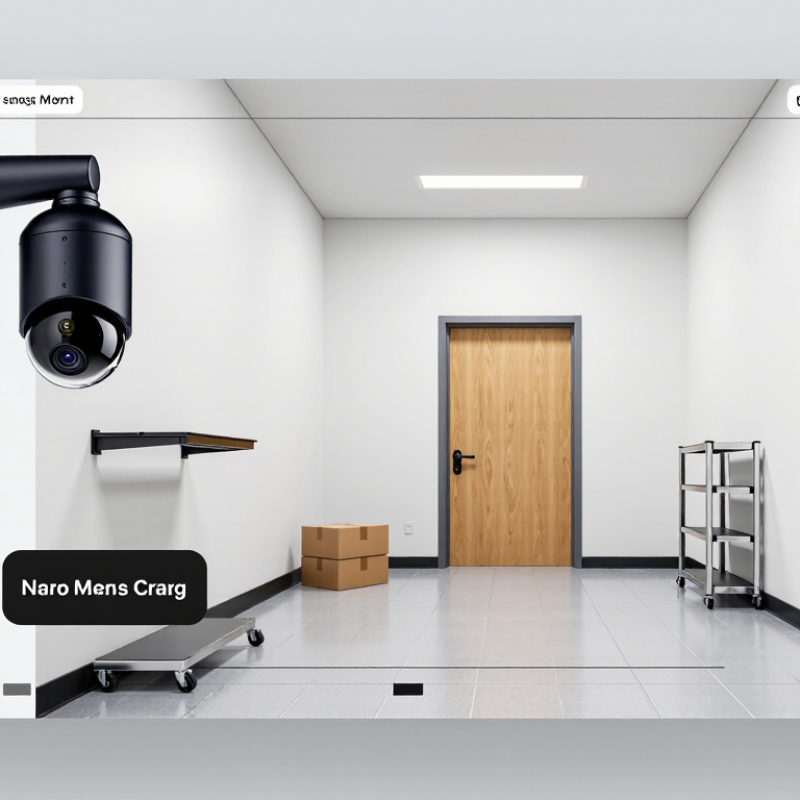
What Is a Surveillance Spy Cam Used For?

What Is a Surveillance Spy Cam?

What Is a Surveillance Spy Cam?

A surveillance spy cam is a small camera designed to capture images or video without drawing much attention. It may resemble an everyday object or simply have a compact casing and a wide-angle lens. Some models save footage to internal storage; others transmit it to an authorized device or network. Features vary, so the label does not describe one fixed design.

When used responsibly, these cameras can help monitor property, document equipment conditions, or check on a space while its owner is away. For example, a caretaker might review a doorway after a delivery, with permission and appropriate access controls. A camera is not automatically smart or reliable. Low light can blur faces, and a blocked lens can miss important details. Small devices are easy to overlook. That matters.

The term “spy cam” is imperfect; it can make security equipment sound more secretive than it should be. Good practice favors clear notice, limited recording, and secure storage, especially when visitors or workers may appear. Avoid recording private activities or placing cameras where people reasonably expect privacy. The boundary is not always obvious, so operators should pause when unsure. Discreet equipment can support safety, but it cannot replace sound judgment or respectful communication.

What is a surveillance spy cam used for? Small, discreet cameras may be used to monitor entryways, check deliveries, or observe equipment and shared work areas. Bars show a qualitative suitability rating—not measured usage or survey results. Laws vary; respect consent and never record in places where people reasonably expect privacy.

How Surveillance Spy Cameras Capture and Store Footage

A surveillance spy camera typically captures video through a small image sensor and lens. The sensor converts light into digital frames, while a processor compresses them to save space. In a dim hallway, footage may look grainy because the camera has less light to work with. Motion detection can start recording when activity enters the frame, though passing shadows may trigger unnecessary clips. Some models record continuously; others capture short events.

Footage may be stored on a memory card, a local recorder, or an encrypted online account. Storage settings determine how long recordings remain available. When a card fills, many cameras overwrite older files, so important clips can disappear unless saved elsewhere. Timestamps help organize footage, but an incorrect clock can make events harder to verify. Use cameras only in appropriate spaces, provide clear notice where required, and limit access to recordings. Convenience has trade-offs. Even a useful device can capture more than intended.

Tips: Check the camera’s viewing angle before installation, then test it in daylight and at night. Set a strong, unique password and review retention settings regularly. Keep only footage you genuinely need; storage plans are easy to neglect.

What Is a Surveillance Spy Cam Used For? — How Surveillance Spy Cameras Capture and Store Footage

Use or Feature How It Works How Footage Is Stored Important Considerations
Monitoring an entryway or room A camera lens and image sensor capture a sequence of images, which the device encodes as video. Some models record continuously; others start recording when motion is detected. Footage may be saved to a memory card, a local recorder, or an online storage service, depending on the camera’s design and settings. Place cameras only where recording is lawful. Avoid private areas such as bathrooms and bedrooms used by others.
Motion-triggered recording A motion sensor or video-analysis feature detects activity and begins recording. Sensitivity settings can affect how often recording is triggered. Clips are typically saved with timestamps. Some systems overwrite older clips when available storage is full. Movement, lighting changes, or pets may trigger recordings. Review settings and test the camera’s detection area.
Low-light monitoring Some cameras use infrared illumination or a more light-sensitive sensor to capture images in dim conditions. Infrared footage is commonly displayed in grayscale. Low-light clips are stored through the same local or network-based options as other recordings. Night-vision range and image detail vary by device, distance, lighting, and obstacles.
Live viewing over a network A network-connected camera can send a live video stream to an authorized device through a local network or internet connection. Live viewing does not necessarily mean footage is being saved; recording must be supported and enabled separately. Use strong, unique passwords, keep software updated, and limit access to trusted users.
Local storage The camera or a connected recorder writes video files to a storage device, such as a memory card or hard drive. Capacity, recording quality, and recording duration determine how much footage can be retained before files are deleted or overwritten. Check storage status regularly and protect the device from theft or damage.
Cloud storage When enabled, footage is uploaded through an internet connection to a remote storage service. Retention periods and available storage depend on the service plan and settings. Uploads may stop if connectivity is lost. Review privacy settings, account security, retention limits, and the service’s data-handling terms.
Audio recording A camera with a microphone may capture sound as well as video, if audio recording is enabled. Audio is usually stored alongside the corresponding video clip. Audio-recording laws can differ from video-recording laws and may require consent. Check local rules before recording sound.
Reviewing and exporting footage Recorded clips can generally be searched by date, time, or event, then played back or exported if the system supports it. Exported files may be saved to a computer or removable storage for authorized use. Limit access to recordings and retain or share them only for a legitimate, lawful purpose.

Privacy reminder: Camera capabilities and storage options vary. Before installing or using a surveillance camera, follow applicable privacy, consent, and recording laws.

Common Uses of Surveillance Spy Cameras

Compact surveillance cameras are commonly used to monitor entrances, storage areas, and shared workspaces. At home, a small camera can show who entered through a side door or whether a delivery reached the porch. In a small shop, it can help staff review a disputed transaction or locate misplaced stock. Clear images and accurate timestamps matter more than a tiny camera body. Footage can still be incomplete.

Retailers also use cameras to document incidents and understand where losses occur. The National Retail Federation’s 2023 National Retail Security Survey reported average retail shrink of 1.6% of sales in fiscal year 2022, totaling an estimated $112.1 billion. That figure describes a broad retail problem; it does not prove cameras alone prevent losses. They work best alongside good lighting, sensible inventory checks, and trained staff. Privacy matters. Use cameras transparently, provide appropriate notice, and avoid private spaces such as bathrooms or changing rooms. Review access to recordings and keep them only as long as needed. A camera can miss context, and that limitation deserves attention.

Key Types and Features of Spy Cameras

Surveillance spy cameras come in several forms, each suited to a different, authorized security need. Compact indoor cameras can monitor an entryway or a storage room, while wearable cameras record hands-on work or personal property checks. Some models use a power cable; others run on rechargeable batteries. Battery cameras are easier to place, but they need regular charging. Power matters.

Common features include motion detection, night vision, local storage, and phone alerts. Motion alerts can reduce unnecessary recording, though a passing headlight or moving curtain may still trigger them. Night vision helps in dim rooms, but image detail often drops at a distance. Check whether recordings are stored on a memory card or sent to a secure account. A tiny lens does not guarantee a useful image; test the camera’s view, lighting, and audio settings before relying on it.

Choose equipment for spaces you own or are authorized to monitor, and make privacy expectations clear to others. Avoid bathrooms, bedrooms, and other highly private areas. Small, but not invisible. One practical oversight is forgetting that a camera also needs routine updates and a safe password. Even a well-chosen device can create blind spots, so review sample footage and adjust its angle thoughtfully.

Privacy, Consent, and Legal Considerations

What Is a Surveillance Spy Cam Used For?
Privacy, Consent, and Legal Considerations

A small camera may help document a package delivery, monitor a permitted entryway, or check on a vacant room. Its size does not reduce its responsibility. People can feel exposed when recording happens without clear notice, especially in homes, workplaces, or shared spaces. Before installing one, consider who may be recorded and why. Could a less intrusive option work? I once thought “for safety” was enough. It isn’t.

Tips: Choose visible placement where possible, tell affected people in advance, and avoid bedrooms, bathrooms, changing areas, and other private spaces. Disable audio unless necessary and lawful. Limit access to footage, secure stored files, and set a short deletion schedule.

Rules vary by location, and expectations differ between homes, rentals, and workplaces. Check local privacy and recording requirements before use; consent rules may apply even on property you control. If visitors, staff, tenants, or family members could be captured, explain the camera’s purpose and coverage plainly. Keep its view limited to the area you genuinely need. If someone objects, pause and reassess rather than assuming permission. A camera can solve one concern while creating another.