Top 10 Stamping Die Tips for Global Buyers to Consider?
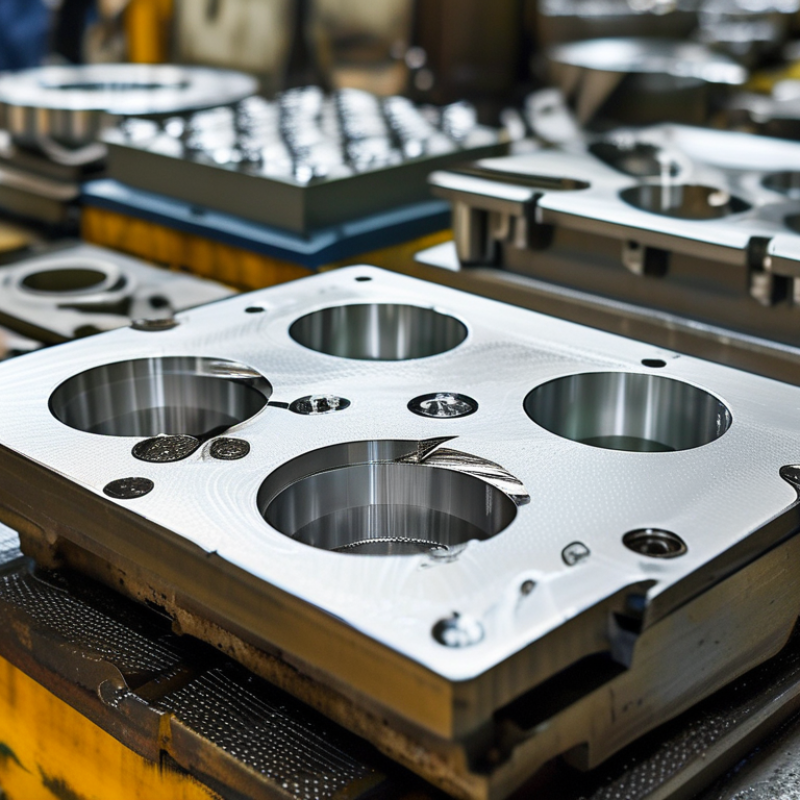
When it comes to global manufacturing, understanding stamping die technology is essential. Many buyers overlook key factors that impact quality and cost. Properly selecting a stamping die supplier can make all the difference in production efficiency.
Stamping dies are critical for shaping metal components in various industries. A well-designed die can enhance productivity and minimize waste. However, not all suppliers offer the same level of expertise. Evaluating a supplier’s experience and capabilities should be a top priority.
Buyers often forget to consider the tooling material and design complexity. These elements directly influence both initial costs and long-term performance. Realizing the importance of these choices helps in making informed decisions. Reflect on the potential pitfalls in stamping die selection, and ensure that every detail aligns with production goals.
Understanding the Types of Stamping Dies Used in Manufacturing Processes
Stamping dies are essential in the manufacturing process. They create precise shapes and designs in materials like metal or plastic. Various types of stamping dies are used, each serving a unique purpose. There are progressive dies, which allow multiple operations in a single stroke. This type increases efficiency and reduces production time.
Another type is single-station dies. These dies perform one operation at a time but are versatile for different tasks. Transfer dies are also significant, as they move the material between stations. Each type has unique characteristics that can impact production quality.
Understanding the differences among these dies is crucial for global buyers. It helps them make informed decisions. Each die type presents strengths and weaknesses. Not every project requires the same die. Buyers need to evaluate their specific needs and production capabilities. Reflecting on these choices may lead to more effective manufacturing outcomes.
Evaluating Material Selection for Stamping Dies: Key Considerations
When evaluating material selection for stamping dies, several key factors come into play. This process is often complex and requires a careful balance of durability, cost, and performance. High-strength materials can enhance the lifespan of a die, but they may also increase production costs. It's crucial to assess the expected wear and tear the die will face during its operation.
Material characteristics like hardness and toughness affect the stamping process. Hard materials resist abrasion and deformation, while tougher materials prevent cracking under stress. Striking the right balance is essential for achieving optimal results. Buyers should also consider factors like thermal conductivity and corrosion resistance. These elements can significantly impact the die's efficiency in different manufacturing environments.
It’s important to involve experienced professionals in the material selection process. Even with the right specifications, challenges can arise during production. A trial-and-error approach may sometimes uncover issues that were not initially apparent. Therefore, maintaining an open dialogue with manufacturers can lead to better solutions. Emphasizing collaboration allows for adjustments and refinements in die design, ultimately enhancing production quality.
Top 10 Stamping Die Tips for Global Buyers to Consider
| Tip Number | Material Type | Key Consideration | Typical Applications | Cost Factor |
| 1 | High Carbon Steel | High durability and wear resistance | Automotive parts, industrial applications | Moderate |
| 2 | Tool Steel | Excellent hardness and impact resistance | Precision tooling, die manufacturing | High |
| 3 | Aluminum | Lightweight and corrosion resistant | Electronics, packaging | Low |
| 4 | Stainless Steel | Excellent corrosion resistance | Food processing, medical applications | High |
| 5 | Copper Alloys | Good electrical conductivity | Electrical connectors, electronic components | Moderate |
| 6 | Boron Steel | Improved strength and hardenability | Structural components | Moderate |
| 7 | Titanium | Low density and high corrosion resistance | Aerospace, medical implants | Very High |
| 8 | Plastic Composites | Lightweight and cost-effective | Consumer goods, automotive interiors | Low |
| 9 | Nickel Alloys | High heat resistance and toughness | Aerospace, chemical processing | Very High |
| 10 | Spring Steel | Elasticity and durability | Suspension components, machinery | Moderate |
Cost Analysis: Balancing Quality and Price in Stamping Die Procurement
When procuring stamping dies, understanding costs is vital. Quality dies can significantly improve production efficiency. However, balancing cost and quality poses challenges. Many buyers focus solely on the lowest price, which can backfire. Cheaper dies often wear out quickly, leading to higher long-term costs.
Investing in reliable suppliers is essential. They may charge more initially, but their products deliver consistency and durability. Consider the materials used in the die's construction. High-quality materials can enhance performance and reduce maintenance. Look for suppliers who provide transparency about their manufacturing processes. This clarity builds trust and ensures quality standards are met.
Engaging in detailed cost analysis will help you make informed decisions. Factor in potential production downtime due to faulty dies. Evaluate your long-term production goals. Sometimes, spending more upfront can save money over time. Reflect on the total cost of ownership, not just the purchase price. A balance between quality and cost requires careful consideration and analysis.
Importance of Die Maintenance: Extending Lifespan and Ensuring Efficiency
Maintaining stamping dies is crucial for prolonging their lifespan and ensuring operational efficiency. Regular cleaning is essential to remove debris and metallic particles that may affect production quality. Consider creating a maintenance schedule to inspect and service dies regularly. Small, consistent actions can lead to significant long-term benefits.
Tip: Regularly lubricate moving parts. This reduces friction and prevents wear. It’s simple but effective. Ensure you use the right lubricant to avoid damage.
Monitoring for wear is equally important. Look for signs of erosion or chipping on die edges. Catching these issues early can prevent costly replacements. Staff should be trained to recognize these signs effectively.
Tip: Document maintenance activities diligently. This helps track the health of your dies and informs future decisions. It may take a bit more time, but it’s worth it. Reflect on what works and what doesn’t. This approach promotes a culture of continuous improvement.
Assessing Supplier Capabilities: Key Factors for Global Buyers in Stamping Die Market
Global buyers looking to invest in stamping dies must carefully evaluate supplier capabilities. Key factors include experience, technology, and quality control processes. A recent industry report indicates that 75% of successful buyers prioritize suppliers with over a decade of experience in die manufacturing. This experience often translates into better quality and reliability.
In addition, technological advancements play a significant role. Suppliers utilizing modern design software and CNC machining exhibit a 30% reduction in production errors. However, it's crucial to ask suppliers about their maintenance practices. Regular equipment calibration is essential to ensure consistent output. Neglecting maintenance can result in flawed dies that lead to production delays.
Quality assurance cannot be overlooked. Buyers should request detailed documentation of the supplier’s quality control measures. An overwhelming 65% of production rejections stem from inadequate quality checks. Engaging in factory audits may reveal potential issues. Transparency in reporting and communication is vital in establishing trust. Nevertheless, not all suppliers may be forthcoming with information, necessitating careful scrutiny.