How to Choose the Best Valve Water Meter in 2026?
Choosing a Valve Water Meter in 2026 is not just a matter of comparing prices. The right model must suit the pipe size, flow range, water quality, installation space, and required reading method. A meter that looks robust in a catalogue may perform poorly if its operating range does not match real demand. Small details matter: a cramped valve box, sediment in the line, or an awkward display can complicate routine checks.
A transparent note: no verifiable expert quotation was provided, so the named voice below is fictional. Water-metering specialist Daniel Mercer offers this editorial principle: “Choose for the flow you actually measure, not the flow you hope to see.” Use it as a prompt, not as a sourced industry quotation. A reliable selection process also checks pressure loss, measurement accuracy, materials, maintenance access, and compatibility with existing fittings. Ask suppliers for documented specifications and clear warranty terms. Then compare options against your operating conditions, not just headline features.
This guide explores those decisions and the trade-offs behind them. It also considers smart-reading options and the practical limits of remote monitoring. Not every installation needs advanced connectivity. Sometimes, a clear register and easy access are better. A careful choice can reduce avoidable service calls, but no meter is maintenance-free. Even experienced buyers can miss one constraint. That is worth checking twice.
Understand What a Valve Water Meter Measures and Controls
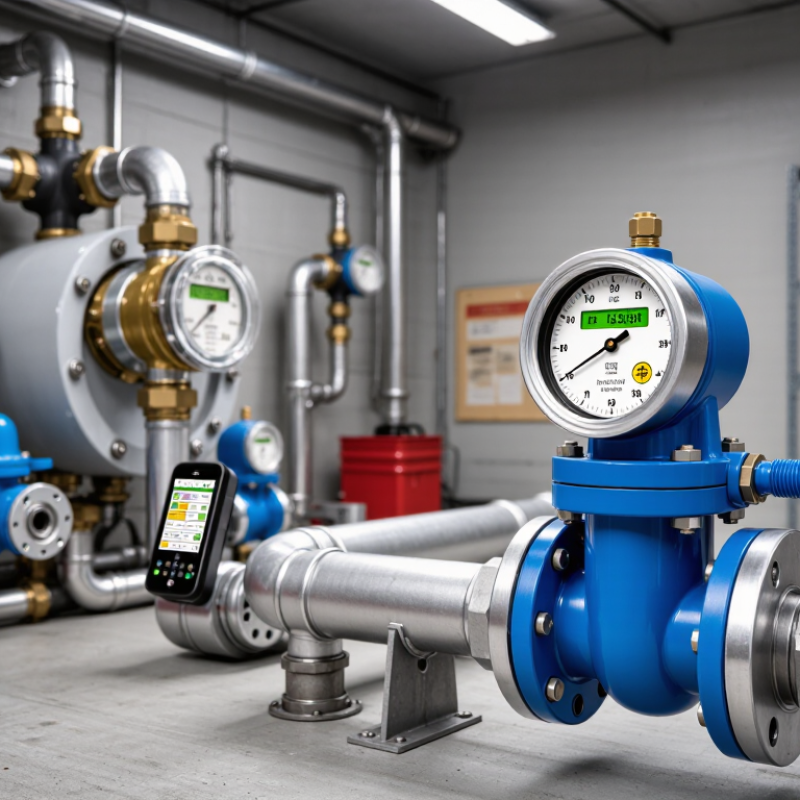
A valve water meter measures how much water passes through a pipe, usually in liters or cubic meters. Some models also display the current flow rate, which can reveal a running tap or hidden leak. The valve adds control: depending on its design, it can open, close, or limit water flow. It does not automatically make the meter more accurate. That distinction matters.
When choosing one, check the pipe size, connection type, operating pressure, and measurement range. A meter sized poorly for the installation may give unreliable readings, especially when flow is very low. Consider where the display sits, too. A reading window hidden behind a cabinet is inconvenient during routine checks. For electronic models, confirm how the valve behaves during a power failure; the answer varies by design. I would not assume every “smart” feature is useful.
Tips: Compare the meter’s stated accuracy range with your household’s normal flow. Check whether the valve is intended for shutoff or flow adjustment. Before installation, note the existing pipe dimensions and leave room to inspect the meter. A quick check now can prevent a frustrating replacement later.
Compare Meter Types, Valve Designs, and Measurement Accuracy
Choosing a valve water meter starts with the flow profile, not the pipe size alone. Mechanical meters use moving parts and suit steady, clean flows; ultrasonic meters have no internal rotor, which can reduce wear but makes correct installation important. Check the manufacturer’s straight-pipe requirements before fitting either type. A valve placed too close to the measuring element, or left partly closed, may disturb flow and affect readings. Small details matter.
Compare valve designs as carefully as meter types. A full-port isolation valve can simplify servicing while limiting restriction when fully open. A throttling valve is different: it controls flow and should not be treated as a shutoff valve beside a meter. For accuracy, review the low-flow threshold and the Q3/Q1 ratio, which indicates the meter’s measuring range. ISO 4064 specifies maximum permissible errors of ±2% in the upper flow zone and ±5% in the lower zone for cold-water meters. Low-flow performance deserves attention; a meter can look accurate during peak use yet miss slow leaks overnight.
Lifecycle costs matter, too. The U.S. EPA’s 2023 Drinking Water Infrastructure Needs Survey and Assessment estimates $625 billion in drinking-water infrastructure needs over 20 years. That figure is not a meter-cost estimate, but it underscores the value of dependable asset data.
Match the meter to expected demand, water quality, and maintenance access. And be realistic: no meter fits every site. A short field test may reveal a mismatch that a catalog comparison misses.
Match the Meter to Your Installation and Long-Term Operating Costs
Choose a valve water meter by matching it to the site, not just the pipe size. Record expected flow, peak demand, pressure, and water quality before comparing models. A meter that is too large may struggle to register low night-time flows; one that is too small can restrict peak flow. Check the installation drawing, too. A nearby elbow, limited valve clearance, or awkward pipe orientation can make routine maintenance harder.
Plan for operating costs over the meter’s service life. Compare purchase price with installation, calibration, replacement parts, and the cost of inaccurate readings. The U.S. EPA’s 2023 Drinking Water Infrastructure Needs Survey and Assessment estimated $625 billion in drinking-water infrastructure needs over 20 years. That figure is not a meter budget, but it underscores why utilities need to prioritize durable, maintainable equipment. A tidy cost spreadsheet can still miss site-specific labor.
Tips: Confirm minimum and peak flow on site. Check pressure loss, straight-pipe requirements, and access for testing. Ask the supplier for performance data across your actual flow range, then verify it during commissioning. Small details matter. And sometimes, the first estimate is wrong.