Print Logo

10 Essential Tips for Choosing a Water Pressure Reducing Valve

Selecting the right water pressure reducing valve can greatly impact your plumbing system's efficiency. According to John Smith, a recognized expert in hydraulic systems, "Choosing the right water pressure reducing valve is crucial for maintaining optimal water flow." His insights underscore the importance of careful selection in this specialized field.

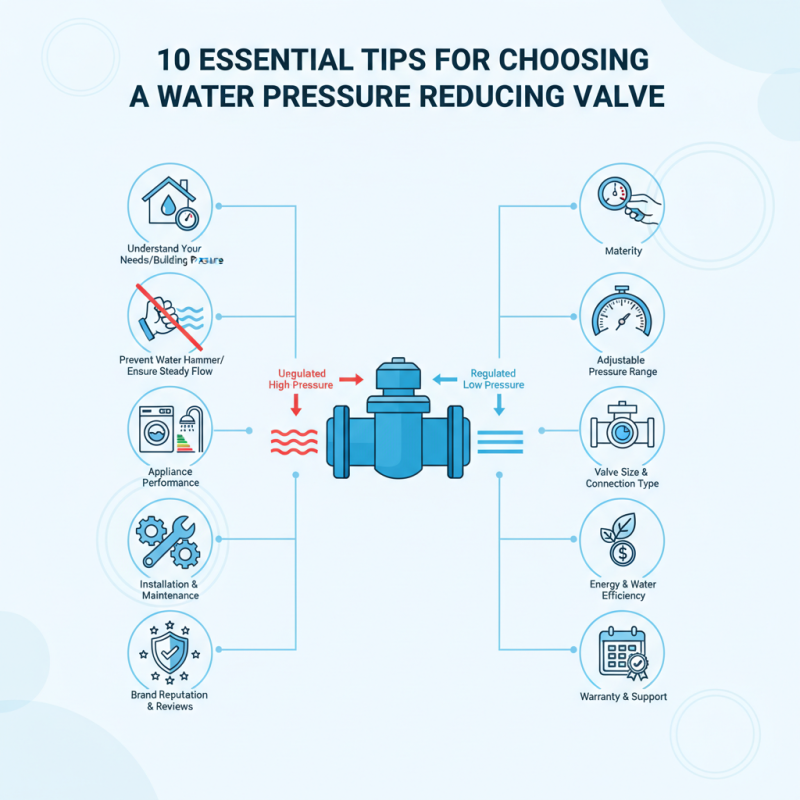
When considering options for water pressure reducing valves, it's essential to understand your specific needs. Pressure levels often vary from one building to another. An inappropriate choice can lead to issues like water hammer or inefficient appliance performance. A well-suited valve regulates pressure, ensuring a steady flow, preserving pipe integrity.

Many overlook installation and maintenance, believing their job ends with the purchase. This can lead to costly repairs. Awareness of brand reputation and product reviews is vital in decision-making. Experts recommend a trusted manufacturer with experience in water pressure reducing valves. By following these insights, you secure both performance and reliability in your plumbing infrastructure.
10 Essential Tips for Choosing a Water Pressure Reducing Valve

Understanding the Function of a Water Pressure Reducing Valve

A water pressure reducing valve (PRV) serves a critical role in your plumbing system. It regulates the water pressure entering your home. High pressure can cause pipe damage, leaks, and fixture failures. By ensuring a consistent pressure level, a PRV protects your plumbing and extends the life of your appliances. Understanding how it works is vital for homeowners.

When water flows into your home, it can arrive at varying pressures. A PRV reduces that pressure to a safe range. You might notice fluctuations in water pressure during peak usage. This can lead to unexpected issues. Observing how your faucets perform can provide hints. If you hear loud noises or experience bursts of low pressure, it’s time to assess your PRV.

Choosing the right PRV requires careful consideration. Look for models that fit your plumbing layout. Installation can be tricky, so consulting with a plumbing expert is wise. However, DIY enthusiasts might tackle it. Ensure you follow all guidelines. Reflecting on the long-term benefits of a PRV will help you make an informed decision.
Water Pressure Reducing Valve Performance

This chart illustrates the performance of a water pressure reducing valve across different pressure levels. High, medium, and low pressure settings can significantly impact the water delivery and system efficiency.

Assessing Your Home's Water Pressure Requirements

10 Essential Tips for Choosing a Water Pressure Reducing Valve

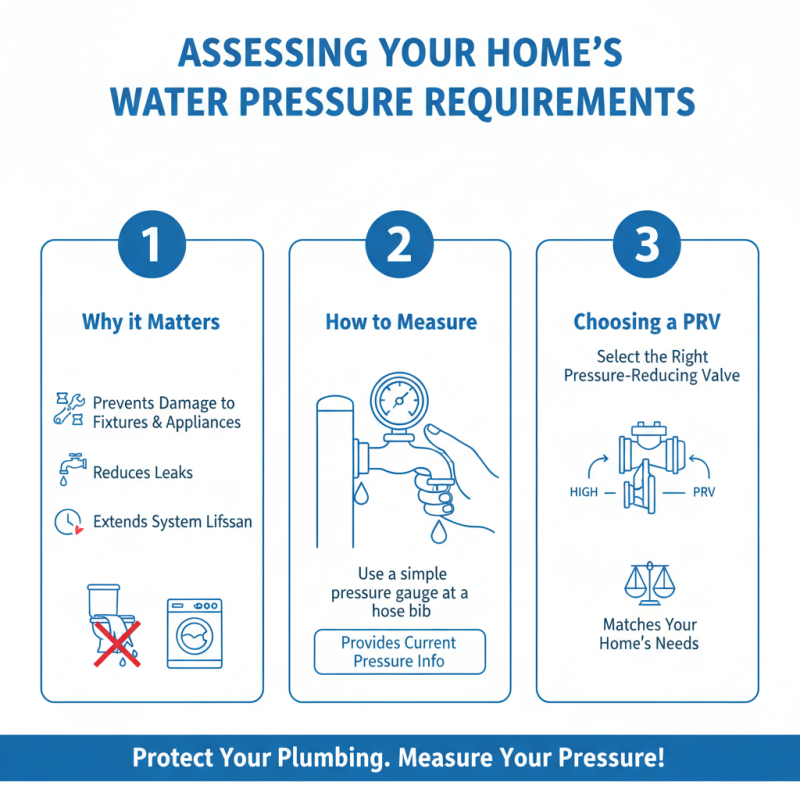
Assessing your home's water pressure requirements is crucial for selecting the right pressure reducing valve. High water pressure can damage your plumbing fixtures and appliances. It can also cause leaks and reduce the lifespan of your systems. To determine your home’s water pressure needs, start by measuring the current pressure. A simple gauge can provide this information.

Consider the typical pressure range for residential plumbing, which is usually between 40 to 60 psi. Your home may require adjustments if the pressure exceeds this range. Look for signs of high pressure, like dripping faucets or overflowing toilets. These can indicate the need for a pressure reducing valve. However, don’t forget to factor in the specific needs of your household. The number of bathrooms and appliances affects your requirements.

If your water pressure is lower than desired, you might need to rethink your pipe sizes or valves. Sometimes, the fix is more complicated than simply installing a new valve. Evaluate your home’s layout, too. Long distances in plumbing can lead to pressure drops at the fixtures. Each home is unique, and understanding these dynamics is key to a successful installation.

Identifying the Appropriate Valve Size and Specifications

Choosing the right size and specifications for a water pressure reducing valve is critical. An improperly sized valve can lead to frequent maintenance issues. It can also cause damage to your plumbing system. Understanding the water pressure needs of your home or facility is essential. Measure the current water pressure. This is the starting point.

Next, consider the flow rate. The valve must match the flow rate requirements of your fixtures. Look for valves rated for your system's pressure range. This ensures efficiency and longevity. Improper specifications can lead to reduced performance. Often, homeowners underestimate the size needed for specific applications.

Don’t forget about material quality. Using valves made from durable materials enhances reliability. However, cheaper options are tempting. They may not last long, leading to frustration. It’s important to weigh upfront costs against long-term value. Regular reviews of pressure and valve condition can prevent unexpected failures. Being proactive can save trouble down the line.

Evaluating Material Quality and Durability Factors

When considering a water pressure reducing valve, material quality and durability are vital. Look for valves made from high-grade materials like brass or stainless steel. These metals resist corrosion, ensuring longevity. Cheaper materials may wear quickly and compromise safety.

Check the valve's construction. A well-designed valve features solid seams and robust pressure ratings. Thin or poorly constructed components can fail under pressure. Evaluate the manufacturer's documentation for details on material specifications and testing standards. Not all valves are equal; some may not stand the test of time.

Consider installation conditions. Environments with high humidity or extreme temperatures demand durable options. Regular maintenance is crucial, even for high-quality valves. Understand that choosing a valve is not just about upfront costs. Investing in a reliable product pays off in the long run. Always consult with professionals if in doubt about your choices.

Considering Installation and Maintenance Needs for Longevity

Choosing the right water pressure reducing valve (PRV) goes beyond initial selection. Installation and maintenance play a critical role in ensuring longevity. Experts suggest that proper installation can enhance efficiency by up to 30%. It helps to mitigate water hammer and reduce leaks. A well-installed PRV lowers the risk of costly repairs. Many homeowners overlook this step, leading to premature component failure.

Regular maintenance is equally essential. According to industry reports, about 15% of valves fail due to neglect. Simple tasks like inspecting for leaks can prevent more severe problems. Routine checks enable homeowners to identify wear and tear. Early detection helps maintain optimal performance. It is advisable to consult with a professional every few years for thorough assessments. Nothing compares to expert insights when it comes to ensuring durability and reliability.

Neglecting these aspects can lead to unnecessary expenses. Even high-quality valves can succumb to poor installation or lack of upkeep. Water quality can also impact valve lifespan. High mineral content leads to sediment buildup. This further complicates performance and might shorten usability. It’s clear that careful attention to installation and proactive maintenance are vital for extending the life of your water pressure reducing valve.

10 Essential Tips for Choosing a Water Pressure Reducing Valve - Considering Installation and Maintenance Needs for Longevity

Tip Description Installation Considerations Maintenance Needs
1. Determine Flow Requirements Consider the water flow rate needed for your system. Measure current flow rates to select an appropriate valve. Regularly check flow rates to ensure optimal performance.
2. Check Pressure Ratings Choose a valve that matches your system's pressure needs. Verify pressure levels before installation. Test pressure levels periodically.
3. Assess Material Compatibility Ensure the valve material is suitable for your water type. Consult with a professional about material selection. Inspect for corrosion and replace if necessary.
4. Size It Right Proper sizing prevents flow restriction and damage. Use manufacturer guidelines for sizing. Regularly verify size suitability post-installation.
5. Look for Adjustable Features Adjustable valves allow for future system changes. Ensure accessibility for adjustments during installation. Revisit settings during routine checks.
6. Evaluate Ease of Installation Select valves that simplify the installing process. Consider valve orientation and connection types. Ensure clear installation instructions are available.
7. Check for Certifications Choose certified products for assurance of quality. Confirm certifications before purchase. Stay updated on certifications relevant to your usage.
8. Research User Reviews User feedback provides insight into performance and issues. Look for user experiences on installation ease. Check for long-term reliability in reviews.
9. Consider Manufacturer Support Good manufacturer support can simplify troubleshooting. Ensure easy access to customer service. Keep contact information handy for future issues.
10. Plan for Future Changes Consider potential future upgrades or changes in use. Choose versatile products that can adapt. Reevaluate needs periodically as systems change.