
Print Logo

How to Choose the Right TRV Radiator for Your Home?

Choosing the right Trv Radiator is not simply a matter of matching its colour to your walls. It affects comfort, energy use, and daily control. A small bedroom may need a different valve response than a large, draughty living room. Window size, insulation, radiator output, and boiler settings all matter. So does the pipework. Ignore one detail, and the room may stay cold.

Dr. Richard Lowes, a heating policy researcher and building-energy specialist, offers a useful principle: “Good heating control begins with understanding how a room actually behaves.” That idea supports a practical approach. Walk through your home at different times of day. Notice cold corners, slow warm-up periods, and rooms that become too hot. Then compare those observations with the radiator’s required heat output and the TRV’s control range. A reliable product should regulate temperature steadily, not create repeated bursts of heat.

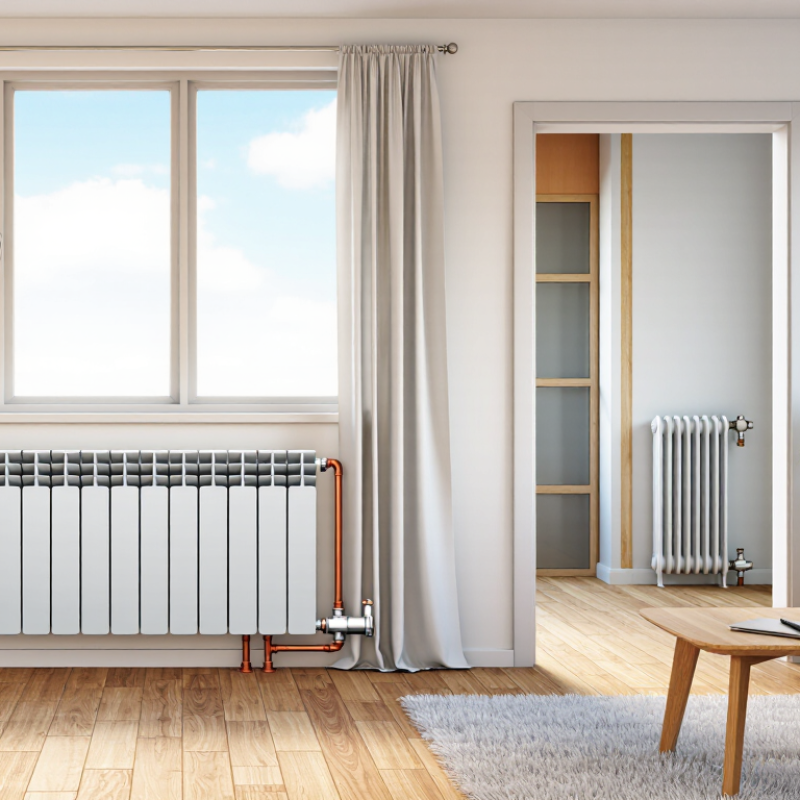
This guide explains how to choose a suitable Trv Radiator for real household conditions. It considers radiator size, valve compatibility, sensor position, smart functions, and installation quality. A Thermostatic Valve should not be hidden behind curtains or boxed inside furniture. That mistake is easy to make. It can cause the valve to sense trapped warm air and reduce heat too early.

There is no perfect choice for every home. Older systems can behave unpredictably. Manufacturer guidance remains essential, and a qualified heating professional should check complex installations. Even careful buyers sometimes choose attractive features over useful performance. That is worth reconsidering before purchase. The best Trv Radiator is the one that delivers stable warmth, sensible control, and dependable operation in your actual rooms.
How to Choose the Right TRV Radiator for Your Home?

Understand How TRVs Control Radiator Heat

How to Choose the Right TRV Radiator for Your Home?

A thermostatic radiator valve (TRV) controls heat by sensing room temperature, not radiator temperature. Its internal sensor expands as the room warms and restricts hot-water flow. When the room cools, the valve opens again. This simple cycle prevents a radiator from heating continuously.

In practice, setting 3 often targets about 20°C, but room conditions can change this result.

Sunlight through a south-facing window may warm the sensor quickly. A sofa or curtain can also trap cooler air around it. The European Commission reports that space heating represents roughly 63% of household energy use in Europe. Small control improvements can therefore matter. The Energy Saving Trust estimates that lowering a heating thermostat by 1°C may reduce heating costs by around 10%, although actual savings vary.

Choose a TRV that matches the radiator connection and complies with EN 215 performance requirements. Check whether the sensor is built into the valve or connected remotely. Remote sensors suit enclosed radiators and awkward corners. They measure room air more accurately.

A qualified installer should also balance the system using lockshield valves. Otherwise, one room may overheat while another stays cold.

I have found that users often turn the TRV to its highest setting, expecting faster heating. It does not work that way. It raises the target temperature instead. That misunderstanding is common.

A well-fitted TRV still needs sensible settings, clear airflow, and occasional checking.

Assess Your Room’s Heating Requirements

How to Choose the Right TRV Radiator for Your Home?

Assess Your Room’s Heating Requirements

Begin with the room’s size, but do not stop there. Measure its length, width, and ceiling height to estimate the air volume. A large window, external wall, or poorly insulated ceiling can increase heat loss significantly.

Consider how the room feels during winter. My first estimate was wrong. I measured the floor area but ignored a cold bay window and an unheated hallway beside it. The radiator warmed quickly, yet the far corner stayed uncomfortable. Note the window type, wall exposure, insulation quality, and typical outdoor temperature in your area.

A TRV regulates water flow as the room reaches its selected temperature. It cannot compensate for an undersized radiator. Compare the room’s estimated heat demand with the radiator’s tested output, using consistent water temperature data. Bedrooms may need less heat than living rooms, while bathrooms often require faster recovery after ventilation.

Watch the airflow.

Avoid placing the TRV behind curtains, furniture, or a deep cover. Trapped warm air can make the valve sense a higher temperature than the rest of the room. A clear position near the radiator improves control, although room layout may make this difficult.

For older homes, ask a qualified heating professional to perform a room-by-room heat-loss calculation. Online calculators can help, but they may overlook draughts, unusual glazing, or renovation gaps. Check the pipe connections and available wall space before ordering, since a suitable heat output is useless if installation access is poor.

How to Choose the Right TRV Radiator for Your Home? - Assess Your Room’s Heating Requirements

Room Type Typical Room Size Insulation Level Estimated Heat Demand Recommended Radiator Output Suggested Radiator Size Suitable TRV Setting Selection Considerations
Small Bedroom 10 m²
2.5 m ceiling height
Good insulation
Modern double glazing
500–700 W 600–800 W 600 mm wide × 600 mm high
Single-panel radiator
Setting 2–3
Approximately 16–18°C
Choose a compact radiator with a lower output if the room receives strong sunlight or has limited external walls.
Large Bedroom 16 m²
2.5 m ceiling height
Average insulation
Double glazing
800–1,100 W 900–1,200 W 800 mm wide × 600 mm high
Double-panel radiator
Setting 3
Approximately 18°C
Allow additional capacity where the room has two external walls, a north-facing aspect, or frequent ventilation.
Living Room 20 m²
2.5 m ceiling height
Average insulation
Double glazing
1,200–1,600 W 1,400–1,800 W 1,000 mm wide × 600 mm high
Double-panel radiator
Setting 3–4
Approximately 18–21°C
Use a higher-output radiator if the room has large windows, high occupancy, or open-plan connections to cooler areas.
Dining Room 14 m²
2.5 m ceiling height
Good insulation
Modern double glazing
700–950 W 800–1,100 W 800 mm wide × 600 mm high
Single- or double-panel radiator
Setting 3
Approximately 18°C
A moderate output is normally sufficient, but increase the size if the room is used regularly with doors opening to unheated spaces.
Home Office 12 m²
2.5 m ceiling height
Average insulation
Double glazing
700–950 W 800–1,100 W 700 mm wide × 600 mm high
Double-panel radiator
Setting 3–4
Approximately 18–21°C
Consider a slightly higher output where the room is occupied for long periods or has equipment that requires a stable temperature.
Kitchen 12 m²
2.5 m ceiling height
Average insulation
Double glazing
600–850 W 700–1,000 W 600 mm wide × 600 mm high
Compact double-panel radiator
Setting 2–3
Approximately 16–18°C
Cooking appliances provide additional heat, so avoid oversizing unless the kitchen has extensive glazing or multiple external walls.
Bathroom 6 m²
2.4 m ceiling height
Average insulation
Ventilated space
500–750 W 600–800 W 500 mm wide × 800 mm high
Heated towel rail or compact radiator
Setting 3–4
Approximately 18–21°C
Allow for regular extraction and ventilation. A corrosion-resistant finish is preferable in humid conditions.
Hallway 8 m²
2.5 m ceiling height
Average insulation
Frequent door opening
450–650 W 500–700 W 500 mm wide × 600 mm high
Single-panel radiator
Setting 2–3
Approximately 16–18°C
Select a durable, compact model and avoid placing the TRV behind a coat rack, curtain, or enclosed furniture.
Poorly Insulated Room 15 m²
2.5 m ceiling height
Limited insulation
Older windows
1,300–1,900 W 1,600–2,100 W 1,000 mm wide × 600 mm high
Double- or triple-panel radiator
Setting 3–4
Approximately 18–21°C
Improve insulation and seal drafts where possible. Heating calculations should account for cold external walls and window losses.
Heat outputs are indicative estimates for typical residential rooms. Final radiator selection should be based on a room-by-room heat-loss calculation, radiator output at the system’s design temperature difference, pipework capacity, and the boiler or heat-pump operating temperature. A thermostatic radiator valve (TRV) regulates room temperature; it does not increase the radiator’s maximum heat output.

Compare TRV Types, Features, and Compatibility

Choosing a TRV starts with the heating system, not the product box.

Eurostat reports that space heating uses about 63% of household energy in the European Union. Small control decisions matter.

Standard mechanical TRVs use a wax or liquid sensor. They are affordable, dependable, and suitable for bedrooms or spare rooms. Liquid sensors usually respond faster than wax sensors. Electronic TRVs add schedules, open-window detection, and digital temperature control. Smart models may support remote adjustment, but they need batteries, reliable signals, and compatible controls. More features can also mean more failure points.

Check compatibility carefully. The valve body must match the radiator connection, pipe direction, thread, and system design. Two-pipe systems are common, while one-pipe systems may require specialist valves. Confirm the radiator’s flow side before installation. A TRV fitted on the wrong side can behave poorly.

Standard products should follow EN 215 performance requirements. The International Energy Agency’s 2023 Energy Efficiency Market Report states that buildings consume around 30% of global final energy.

Yet a TRV cannot fix an unbalanced system. I have seen rooms stay cold because radiators were undersized or air remained trapped. A remote sensor helps when curtains or furniture cover the radiator. Smart control is useful, but not automatically better.

Choose the simplest type that matches the room, radiator, and heating controls.

Choose the Correct Radiator Size and Valve Position

How to Choose the Right TRV Radiator for Your Home?

Choosing the correct radiator size starts with the room’s heat loss, not appearance alone. Measure the room’s length, width, and ceiling height. Note window size, insulation, external walls, and the floor above or below. A small bedroom with two outside walls may need more output than a larger, well-insulated room.

Use the radiator’s rated output in watts, based on the heating system’s temperature. Do not compare numbers from different testing conditions. An experienced heating professional can calculate the required output more reliably. I have found quick online estimates useful, but they can be misleading. Check the manufacturer’s technical data before ordering.

Valve position matters just as much. Match the TRV to the pipe layout, such as angled valves for pipes rising from the floor or straight valves for pipes coming from the wall. The TRV head should remain accessible and away from curtains, cabinets, and direct heat from the radiator. Otherwise, it may sense trapped warmth and reduce heating too early.

Leave room for adjustment. Ensure the valve and lockshield do not touch skirting boards or furniture. A left-side connection may look neater, but the pipework should decide the position. Measure twice. Small mistakes can create expensive rework. If the radiator is replacing an older model, check wall brackets, pipe centres, and system pressure before installation.

Install, Set, and Maintain Your TRV Radiator

How to Choose the Right TRV Radiator for Your Home?

Install, Set, and Maintain Your TRV Radiator

Choose a TRV that matches your radiator valve type, pipe connection, and room purpose. Check the thread size before ordering. A small mismatch can cause leaks, poor control, or a frustrating return.

During installation, isolate the heating system and let the radiator cool completely. Tighten fittings firmly, but avoid forcing plastic components.

Bleed trapped air after installation, then inspect every joint with a dry tissue. It is a simple test. Do not skip it.

Set living rooms near 19–21°C, while bedrooms often need less heat. Adjust slowly, because TRV numbers are not universal temperature scales.

The U.S. Department of Energy reports that reducing thermostat settings by 7–10°F for eight hours daily can save up to 10% annually. A TRV applies the same principle locally, room by room. The International Energy Agency reports that building operations represent about 30% of global energy demand, so small controls matter. Still, savings depend on insulation, weather, and user habits.

Keep the sensor uncovered by curtains or furniture. Dust the valve gently each season. Turn it fully open and closed occasionally, especially after summer.

If the pin sticks, do not hammer it. Light manual movement may help, but replacement is sometimes safer.

I once treated a slow-heating radiator as a valve problem; the real cause was trapped air. Check the basics first.

Recording room temperature for several days can reveal whether the setting works or merely feels familiar.