How to Choose the Right Quick Coupling Connector?
Choosing the right Quick Coupling Connector is not a small purchasing decision. It affects safety, uptime, fluid cleanliness, and maintenance costs. A connector may look suitable on a specification sheet, yet fail when pressure pulses, vibration, heat, or contamination appear in the real system.
MarketsandMarkets reports that the global hydraulic equipment market is expected to grow steadily through 2028, driven by construction, agriculture, energy, and industrial automation. The report also highlights rising demand for reliable fluid-control components. Grand View Research identifies efficiency, leak prevention, and faster maintenance as key forces shaping the quick-connect coupling market. These findings provide useful direction, but they do not replace application testing. A coupling used beside a hot injection-molding machine faces different risks from one installed on a refrigerated food-processing line.
Hydraulics specialist Brendan Casey offers a practical principle: “The component must match the system, not merely the specification.” That idea should guide every selection. Flow rate, working pressure, temperature, media compatibility, connection profile, sealing material, and allowable pressure drop all deserve careful review. A dry-break design may protect sensitive fluids, while a flat-face hydraulic coupling can reduce trapped contamination during frequent connection changes. Small details matter. Thread damage matters, too.
This guide explains how to compare materials, standards, safety features, and operating conditions before choosing a Quick Coupling Connector. Some recommendations may seem obvious. They are still often missed. The right choice is not always the most expensive model, and catalogue data can never fully describe an imperfect working environment.
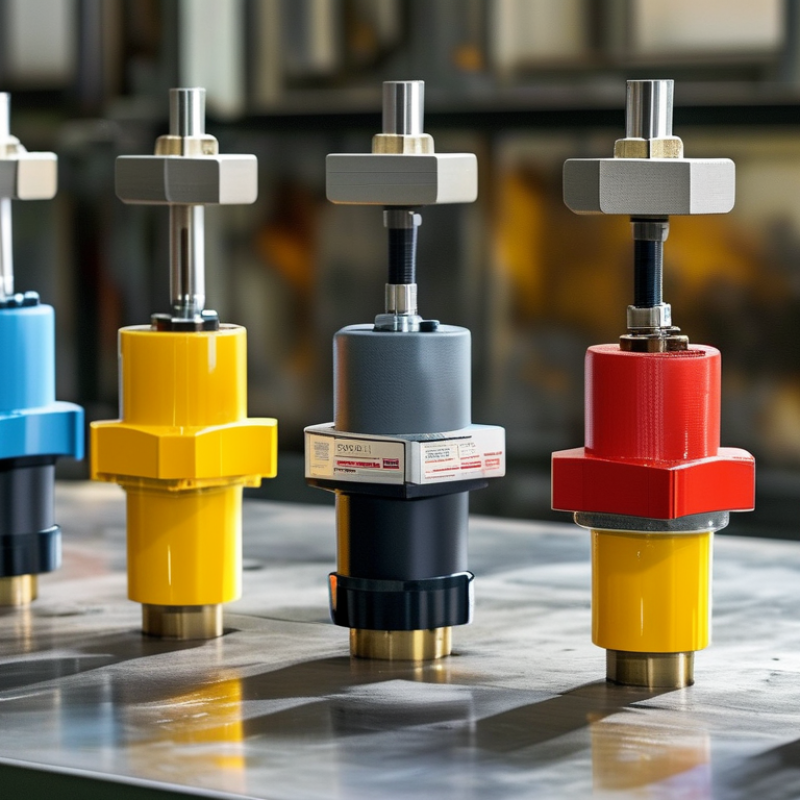
Define the Application Requirements for a Quick Coupling Connector
How to Choose the Right Quick Coupling Connector?
Define the Application Requirements for a Quick Coupling Connector
Begin with the working conditions, not the connector size. Identify the fluid, operating pressure, peak pressure, temperature, flow rate, and connection frequency. Air, hydraulic oil, water, and aggressive chemicals require different sealing materials. Check compatibility with the actual fluid, not a general product label. A coupling that fits is not automatically suitable.
Flow loss deserves careful attention. The U.S. Department of Energy reports that compressed-air leaks can waste 20–30% of compressor output. A restrictive coupling may increase this hidden cost. Measure pressure drop at the required flow rate, then compare it with the equipment’s acceptable range. Also define whether the system connects under pressure. Flat-face designs can reduce contamination, while mechanically locked connections may improve safety during vibration.
Consider the environment around the connector. Dust, washdown, outdoor exposure, heat, and repeated impacts can change the selection. ISO 4413 provides safety guidance for hydraulic systems, while ISO 8573 addresses compressed-air quality. These standards help convert vague requirements into testable specifications. In practice, engineers often overlook hose movement and operator handling. That mistake is understandable, but it can shorten service life. Record the connection size, interface standard, seal material, rated pressure, temperature range, and expected cycle count before approval. Test a sample under real operating conditions. Small details matter.
Identify the Connector Type, Size, and Connection Method
Choosing a quick coupling connector starts with identifying the working medium. Hydraulic oil, compressed air, water, and chemicals require different sealing materials and coupling designs. A connector suitable for air may fail quickly with hot oil.
Check the pressure, flow rate, temperature, and contamination level. Then identify the connector type. ISO 7241 covers interchangeable hydraulic coupling series, while ISO 16028 addresses flat-face hydraulic designs. These references help prevent mismatched halves. They do not replace equipment-specific testing. That part is often overlooked.
Size means more than thread diameter. Measure the hose bore, port thread, sealing surface, and available installation space. A small connector can restrict flow and increase pressure loss. The U.S. Department of Energy’s Compressed Air Sourcebook reports that leaks can waste 20–30% of compressor output. Poorly fitted couplings can add to that loss. Every leak matters.
Choose the connection method based on service conditions. Threaded couplings suit fixed installations. Push-to-connect designs support frequent maintenance. Cam-lock connections allow fast handling, but accidental release requires careful control. Look for working pressure, burst pressure, temperature range, and connection-cycle ratings. The wrong rating is not a minor mistake. It can become an expensive one. I would also recheck the selection after installation, because real hose movement and operator habits often differ from the original plan.
Match Materials and Seals to the Working Environment
How to Choose the Right Quick Coupling Connector?
Match Materials and Seals to the Working Environment
Quick couplings often fail because material selection receives too little attention. The working fluid, temperature, pressure, and surrounding air all matter. Stainless steel suits corrosive areas and frequent washdown. Brass can work well with clean water and mild air systems. Lightweight alloys may reduce equipment weight, but aggressive chemicals can expose their limits.
The seal deserves equal attention. Nitrile rubber commonly handles mineral oils and general hydraulic fluids. EPDM performs better with water, hot water, and some steam applications. Fluorocarbon seals tolerate many oils and elevated temperatures, while PTFE offers broad chemical resistance. No seal works everywhere. Check the actual fluid, concentration, temperature range, and pressure before choosing.
Small details matter.
In field inspections, a coupling may look sound while its seal has swollen, hardened, or developed tiny cracks. Dust, ultraviolet light, vibration, and repeated connection cycles can accelerate this damage. A clean material chart can still mislead. I have seen technically suitable seals fail because the fluid contained additives not listed in the original test data. Review compatibility tables, request confirmed test information, and allow a sensible safety margin. Also inspect the mating materials, because galvanic corrosion can develop when dissimilar metals remain wet. Selection is rarely perfect on the first attempt; operating records and regular inspections should challenge the original choice.
Check Pressure, Flow, Temperature, and Compatibility Ratings
Choosing the right quick coupling connector starts with four ratings: pressure, flow, temperature, and compatibility. Check working pressure, not only burst pressure. Pressure surges can occur when valves close quickly or cylinders stop suddenly. ISO 4413 recommends controlling these risks in hydraulic systems. A coupling rated at 10 MPa may still perform poorly at high temperature or repeated cycling.
Flow rating also deserves careful attention. A narrow passage creates pressure loss, heat, and slower actuator movement. Select the coupling by actual flow and allowable pressure drop, rather than bore size alone. The U.S. Department of Energy reports that compressed-air leaks can waste 20–30% of compressor output. Poorly sealed couplings can contribute to this loss. I have seen small leaks become obvious only after a system runs overnight. That was an avoidable mistake.
Tips: Match the connector’s pressure rating to peak pressure, including surges. Confirm the temperature range of both seals and body materials. Check fluid compatibility with the manufacturer’s chemical-resistance data. ISO 7241 provides dimensional and performance guidance for many hydraulic quick couplings. Still, standards do not replace field testing. Dirt, vibration, and frequent connection cycles can change real performance. Recheck the selection when fluid, temperature, or operating flow changes.
Compare Safety Features, Maintenance Needs, and Service Life
How to Choose the Right Quick Coupling Connector?
Compare Safety Features, Maintenance Needs, and Service Life
A quick coupling connector should fit the working pressure, temperature, and fluid type. Do not choose by size alone. I have seen small mismatches cause leaks around dusty workshop fittings. A reliable connector needs secure locking, clear engagement, and protection against accidental release. Sleeve guards, locking balls, and visual indicators can reduce operator mistakes. Check the manufacturer’s pressure data before installation.
Maintenance affects safety as much as design. Inspect seals for cuts, swelling, or hardening during routine service. Clean the mating surfaces before connection. Dirt can damage sealing faces and prevent full engagement. Never force a connector that feels tight. That habit saves time today, but creates trouble later. Follow documented inspection intervals and use compatible seal materials.
Service life depends on cycling frequency, vibration, corrosion, and handling. A connector used outdoors may wear faster than one in a clean cabinet. Record connection cycles when possible. Replace parts showing leakage, looseness, or damaged locking components. I once underestimated vibration and extended a replacement interval too far. The connector still worked, but its movement was already noticeable. That was a useful reminder: working is not the same as remaining safe. Choose a design supported by tested specifications and practical maintenance access.
How to Choose the Right Quick Coupling Connector?
Comparison of common connector designs using a 1–5 selection index, where 5 indicates stronger performance. The scores reflect typical industry characteristics such as pressure isolation, contamination control, maintenance demand, and expected connection durability.
Higher safety and service-life scores are preferable; a higher maintenance score indicates lower maintenance demand. Actual performance depends on pressure, temperature, media compatibility, connection frequency, cleanliness, and installation quality.