How to Choose the Right Photovoltaic Bracket for Your Needs?
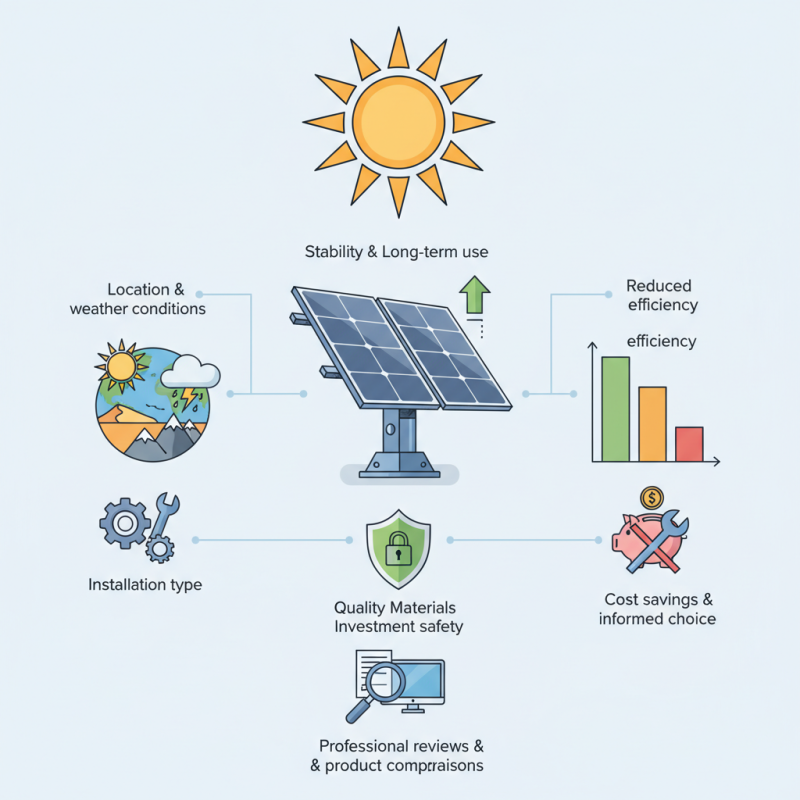
Choosing the right Photovoltaic Bracket is crucial for optimizing solar panel performance. According to industry reports, improper mounting can reduce efficiency by up to 20%. The market for photovoltaic brackets is rapidly growing, with a projected increase of 15% annually. In this context, selecting the right type becomes essential.
Photovoltaic brackets must match specific needs. Factors such as location, weather conditions, and installation type should be considered. A robust bracket ensures stability for long-term use. Quality materials can withstand harsh environments, offering safety to your investment. Yet, many overlook this aspect, which may lead to future issues.
In the end, understanding your requirements is vital. Engaging with professional reviews and product comparisons can guide your decision. A poorly chosen bracket may not only impact efficiency but also incur additional costs for replacement. Making an informed choice now can prevent regrets later.
Understanding the Basics of Photovoltaic Brackets and Their Functions
Photovoltaic brackets are essential components in solar energy systems. They securely hold solar panels in place. Understanding their functions can help you choose the right type for your needs. Brackets come in various styles and materials. Each type serves a specific purpose.
When selecting a bracket, consider your roof type. Flat roofs need different support compared to sloped roofs. Material matters too. Aluminum brackets are lightweight yet strong. Steel may offer sturdiness but can be heavier and prone to rust if not treated.
Tips: Check local weather conditions. Brackets should withstand wind and snow loads. Evaluate installation ease. Some brackets require professional assistance, while others are DIY-friendly. Do not ignore your future energy goals. Anticipate potential upgrades in your solar panel system.
Types of Photovoltaic Brackets: Fixed, Adjustable, and Tracking Systems
When selecting a photovoltaic bracket, understanding the types available is crucial. Fixed brackets are great for traditional setups. They hold solar panels in a stationary position, which is simple. However, they may not capture the sun’s maximum potential throughout the day. If your roof has limited space, this can be a drawback.
Adjustable brackets offer some flexibility. You can tilt them to catch more sunlight during different seasons. This type is a middle ground, giving some control over solar capture. Yet, they require manual adjustments, which can be cumbersome. For those who want more convenience, tracking systems come into play. These systems follow the sun’s path. They’re more efficient and could generate more power. However, they also come with higher costs and complex installation.
Choosing the right bracket depends on personal needs. Consider your budget and the roof's design. Reflect on how much sunlight your location receives. Each type has its trade-offs. Take your time to evaluate what suits you best.
Factors to Consider When Choosing a Photovoltaic Bracket
Choosing the right photovoltaic bracket requires careful thought. One major factor is the mounting location. The terrain can vary significantly. Flat roofs, steep slopes, and even ground installations all have different needs. Ensuring stability is crucial. Wind exposure and potential debris can lead to damage. Consider how exposure might affect the bracket's longevity.
Another aspect to weigh is the material. Options include aluminum, steel, and plastic. Each material has its advantages and shortcomings. For example, steel brackets are sturdy but can rust. Aluminum is lightweight yet may not support heavy loads as well. Understanding these characteristics will help you decide wisely.
Compatibility with existing systems is vital too. Not all brackets suit all panels. Improper fit can lead to inefficiencies. It’s important to check specifications carefully. Assessing your specific needs may reveal gaps in your knowledge. Reflect on what worked before and what didn’t. Recognize that the perfect solution might not exist, and that’s okay.
Installation Requirements and Environmental Considerations for Brackets
When selecting a photovoltaic bracket, installation requirements play a vital role. Start by assessing the type of surface where the brackets will be mounted. Roofs vary greatly in slope and material. A flat roof might need different brackets than a sloped one. Be mindful of local building codes, as some areas have specific guidelines regarding solar panel installation.
Environmental factors also influence your choice. Wind loads and snow load ratings should be considered. For example, areas prone to heavy winds require stronger, more durable brackets. Choosing the wrong bracket could lead to severe damage or system failure. Installation can be a challenge, especially in harsh climates.
One common oversight is the neglect of potential shading from nearby structures or trees. Shadowing can reduce energy production significantly. Regular inspections are essential, too. Brackets may corrode or loosen over time. Considering these elements will ensure your solar system performs optimally.
Cost Analysis: Budgeting for Photovoltaic Brackets and Accessories
When budgeting for photovoltaic brackets and accessories, understanding your expenses is crucial. A recent industry report shows that the average cost for mounting systems ranges from $0.10 to $0.50 per watt. This can significantly impact your total investment. For a typical residential installation of 5 kW, you may spend between $500 and $2,500 solely on brackets.
Moreover, accessories like rails, clamps, and grounding hardware add to the total cost. These components can account for an additional 15-20% of the project budget. To keep costs manageable, compare suppliers. Look for package deals or bulk pricing, as these can reduce overall expenses.
Tip: Always factor in installation costs when calculating your budget. Hiring a professional can range from $50 to $100 per hour, adding to your total expenditure. Since DIY might seem appealing, ensure you have the skills to avoid costly mistakes.
While investing in quality brackets may hike initial costs, consider long-term savings. Reliable brackets reduce maintenance and replacement needs. Evaluate how much you’re willing to spend upfront versus future repairs. Be mindful that cheaper options might lead to higher expenses later.