How to Choose the Best Boltless Rivet Rack from China?
Choosing the best Boltless Rivet Rack from China requires more than comparing prices on a supplier platform. The right choice begins with your actual storage conditions. Measure the warehouse height, aisle width, floor level, and pallet dimensions. Then record each shelf’s expected load. A rack that looks strong in product photos may bend under uneven boxes. Small details matter.
Warehouse storage consultant David E. Mulcahy emphasizes, “Good warehouse design starts with accurate information, not attractive equipment.” That principle fits Chinese rack sourcing well. Ask suppliers for steel thickness, upright dimensions, beam specifications, surface-treatment details, and tested load ratings. Request drawings with exact measurements. Confirm whether the stated capacity applies to each shelf or the complete bay. These terms are sometimes unclear.
Supplier experience also deserves close inspection. Review factory photographs, production records, inspection procedures, and export references. A reliable manufacturer should explain how rivets lock, how frames remain stable, and how replacement parts are supplied. Powder coating should appear even, without bubbles, exposed steel, or rough edges. Samples can reveal more than a polished catalog.
Price still matters. It should not lead. Freight, packaging, assembly time, and future expansion can change the real cost. I may sound cautious, but that caution is practical. One overlooked beam dimension can disrupt an entire storage plan. This guide will examine supplier credibility, structural performance, customization, quality control, shipping, and long-term value. The goal is simple: select a Boltless Rivet Rack that works safely in your warehouse, not merely one that looks economical online.
Identify Your Storage Needs and Load Requirements
How to Choose the Best Boltless Rivet Rack from China?
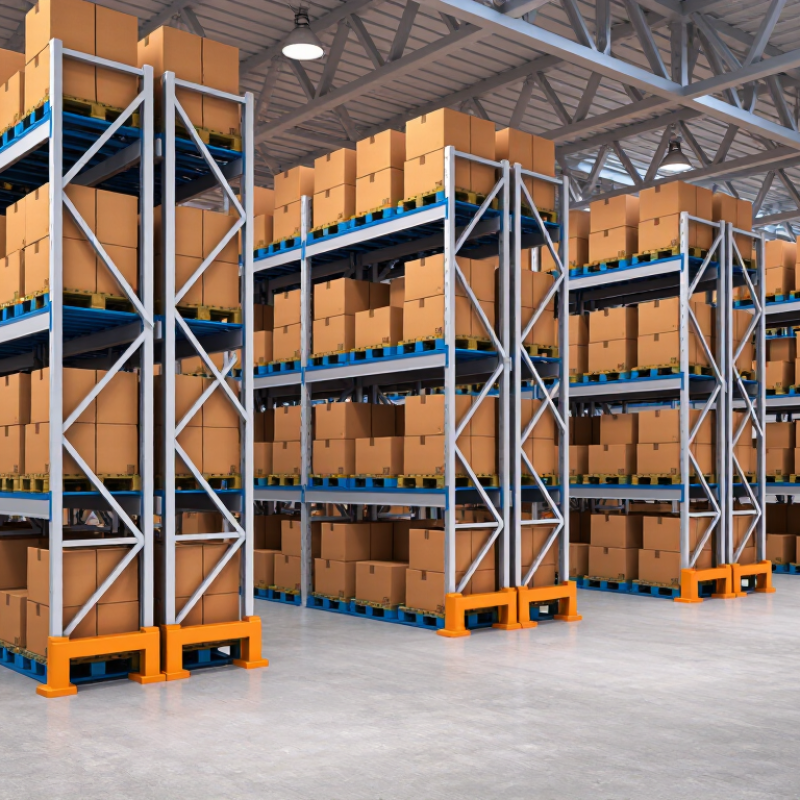
Identify your storage needs before comparing prices or finishes. Measure the available floor area, ceiling height, aisle width, and access points. Then list the items you will store, including their weight, shape, and packaging. A rack for boxed tools differs from one holding long pipes or irregular cartons. In practice, storage plans are often too neat. Leave room for growth and occasional oversized loads.
Check the required load per shelf, not only the total rack capacity. Ask the supplier for tested ratings, steel specifications, shelf dimensions, and assembly instructions. Loads should be distributed evenly, with heavier goods placed on lower levels. Consider humidity, dust, temperature, and whether workers will use ladders or forklifts nearby. Request a sample unit when possible. A small trial can reveal unstable connections, sharp edges, or inconvenient shelf spacing before a large order.
Tips: Mark the rack footprint with tape first. Place real cartons inside the outline. Measure the remaining aisle space. Review the load plan with warehouse staff, because they notice practical problems that drawings may miss. Confirm inspection records and packaging details before shipment. Do not assume the highest capacity is automatically the safest choice. Proper installation and regular checks still matter.
Compare Boltless Rivet Rack Materials and Construction
How to Choose the Best Boltless Rivet Rack from China?
When comparing boltless rivet racks from China, start with the material, not the price. Cold-rolled steel uprights usually provide better stiffness and consistent load support. Thicker steel can reduce bending under heavy cartons. Check the gauge, coating thickness, and stated load per shelf. A powder-coated surface suits dry warehouses, while galvanized steel handles humid areas more effectively. Do not assume every “steel rack” uses the same grade.
Shelf panels also affect performance. Particle board is economical and smooth for boxed goods, but moisture can cause swelling. MDF offers a cleaner surface, yet it may sag under concentrated loads. Wire decking improves airflow and visibility, although small items may need a supporting tray. The connection design matters just as much. Rivet beams should seat fully into punched slots, with minimal movement after assembly. A rubber mallet is often enough. No bolts required.
Inspect the rack’s construction before placing a large order. Request drawings showing upright thickness, beam dimensions, and shelf spacing. Ask for load-test records from an independent laboratory when available. Sample assembly can reveal loose joints, sharp edges, or uneven panels. Packaging deserves attention too; bent uprights may arrive after poor corner protection. A lower quote can hide weaker steel or vague capacity claims. I have seen specifications look impressive until the shelves were loaded unevenly. That detail needs honest review.
Evaluate Dimensions, Capacity, and Adjustability
When choosing a boltless rivet rack from China, measure the storage space before comparing prices. Record clear height, wall gaps, aisle width, and floor unevenness. A 2,400 mm rack may not fit beneath lights or sprinklers. Leave practical clearance above stored cartons. Tight layouts look efficient, but they complicate handling.
Capacity must reflect real loads, not marketing numbers. Weigh the heaviest tote, then include pallets, seasonal stock, and uneven loading. Each shelf needs a stated safe working load, tested under defined conditions. Verify whether the rating applies per shelf or to the entire bay. ANSI MH16.1 and EN 15635 provide useful reference points for rack safety and inspection practices. MHI’s 2024 Annual Industry Report reported that 91% of supply-chain professionals planned technology investment. That trend highlights a basic lesson: digital inventory systems cannot correct weak capacity assumptions. The steel still carries the risk.
Adjustability creates value when shelf levels change without special tools. Check the hole pitch, locking method, and maximum number of levels. A 50 mm adjustment pattern offers finer control than a 100 mm pattern. Confirm that beams remain level after reconfiguration. I have seen racks assembled quickly, then overloaded because the lowest shelf was moved upward. That mistake is easy to repeat. Ask the supplier for load tables, material thickness, coating details, inspection records, and packing photographs. One detail may be missing. Treat that gap seriously. Request a sample bay or independent pre-shipment inspection before ordering at scale.
How to Choose the Best Boltless Rivet Rack from China?
Evaluate rack dimensions, per-shelf capacity, and shelf adjustability before comparing quotations. The chart below presents realistic specification ranges for general warehouse and storage applications.
Dimensions Common rack widths range from 900 to 1800 mm, with depths of approximately 400 to 600 mm. Select a size that fits the available aisle and storage space.
Capacity Typical boltless rivet shelves support about 150–500 kg per level when the load is evenly distributed. Confirm the rated capacity with the supplier.
Adjustability Many designs provide 5–8 shelf levels with vertical adjustment intervals of roughly 38–50 mm, allowing the rack to accommodate different carton heights.
The figures are representative market specifications for comparison purposes. Actual capacity depends on frame material, beam profile, shelf decking, load distribution, and safety factors.
Review Pricing, Shipping, Warranty, and After-Sales Support
How to Choose the Best Boltless Rivet Rack from China?
Price is only the starting point when reviewing a boltless rivet rack from China. Compare steel thickness, beam capacity, coating quality, and included accessories. A cheaper quote may exclude decking, protective feet, or export packaging. Request a detailed proforma invoice with unit prices and replacement-part costs. My early comparisons were too simple. I focused on price and overlooked unloading expenses.
Shipping can change the final cost sharply. Ask whether the quotation uses EXW, FOB, or another delivery term. Confirm carton dimensions, gross weight, loading quantity, and estimated transit time. Check if moisture-resistant wrapping protects panels during long sea transport. A sample shipment may reveal weak packaging before a large order. It costs more, but it can prevent damaged corners and missing hardware.
Warranty terms should identify coverage, duration, and claim procedures. Reliable suppliers provide load-test records, material details, assembly instructions, and clear photographs. Ask who pays for replacement parts and freight after a confirmed defect. After-sales support should include responsive technical guidance, not vague promises. Test communication before ordering. Send practical questions about uneven floors, damaged beams, and expansion plans. Notice the reply speed and precision. Small gaps matter. A written inspection plan also improves accountability, although it cannot remove every sourcing risk.