How to Choose the Right Safety Valve for Your System?
Choosing the right safety valve for your system is crucial. A safety valve protects equipment from overpressure. It ensures safe operations in various industries.
When selecting a safety valve, consider factors like pressure ratings and fluid types. Each system has distinct requirements. An inappropriate choice may lead to failures or hazards. Too often, individuals overlook these details. They assume one valve fits all.
Also, evaluate manufacturer recommendations. Research their reliability and track record. The right safety valve enhances system performance. It can save time and money in the long run. Ignoring these aspects could result in costly mistakes. Reflect on your specific needs before making a decision.
Understanding the Purpose and Importance of Safety Valves in Fluid Systems
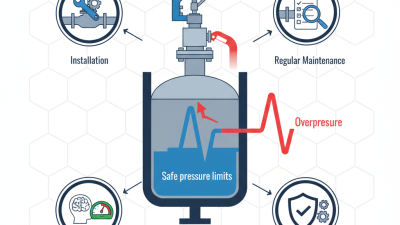
Safety valves play a critical role in fluid systems. They are designed to protect equipment from excessive pressure. When pressure builds up, safety valves automatically open and release fluid. This prevents potential explosions or system failures. Understanding how these valves work is essential for safety.
Due to the nature of fluids, choosing the right safety valve can be challenging. Factors include fluid type, system pressure, and temperature. Each application has unique requirements. A valve unsuitable for the fluid can lead to leaks or failure. It’s important to consider the environment before selecting a valve. Do not overlook installation conditions. They can impact valve performance significantly.
Maintenance of safety valves is often neglected. Regular checks are crucial to ensure reliability. A valve that appears functional may not operate correctly under pressure. Testing should be part of routine maintenance. Ignoring this can lead to unsafe conditions. Safety first means being proactive. That responsibility lies with the system operator.
How to Choose the Right Safety Valve for Your System?
| Dimension |
Description |
Importance |
| Set Pressure |
The pressure at which the valve will begin to open. |
Critical for preventing overpressure in systems. |
| Temperature Rating |
The maximum and minimum operating temperatures of the valve. |
Ensures reliability in varying environmental conditions. |
| Connection Size |
The dimensions of the valve connections must match the piping system. |
Prevents leaks and enhances performance. |
| Flow Coefficient (Cv) |
A measure of the valve’s flow capacity. |
Essential for selecting the right valve for flow requirements. |
| Material Composition |
The type of material used for the valve construction. |
Affects durability and compatibility with process fluids. |
| Certification Standards |
Regulatory requirements the valve must meet. |
Ensures safety and legality in various applications. |
Key Factors to Consider When Selecting a Safety Valve for Your Application
Choosing the right safety valve is critical for any system. There are several key factors to consider during selection. First, understanding the system pressure and temperature is essential. According to industry reports, over 40% of valve failures are due to incorrect pressure ratings. This can lead to catastrophic failures.
Another vital factor is the medium type. Liquids and gases behave differently under pressure. A valve suitable for steam may not work well for corrosive fluids. Also, consider the installation space. Some valves require specific configurations. Often, end-users overlook these requirements, leading to inefficient operations.
Maintenance needs are also crucial. A report from the Safety Valve Institute indicates that 30% of valves do not receive regular maintenance. This neglect can lead to unexpected costs and downtime. Choosing a valve that allows easy access for maintenance can save time and money. Reflecting on these factors can help ensure the selected safety valve meets both operational and safety needs.
Comparative Analysis of Different Types of Safety Valves and Their Uses
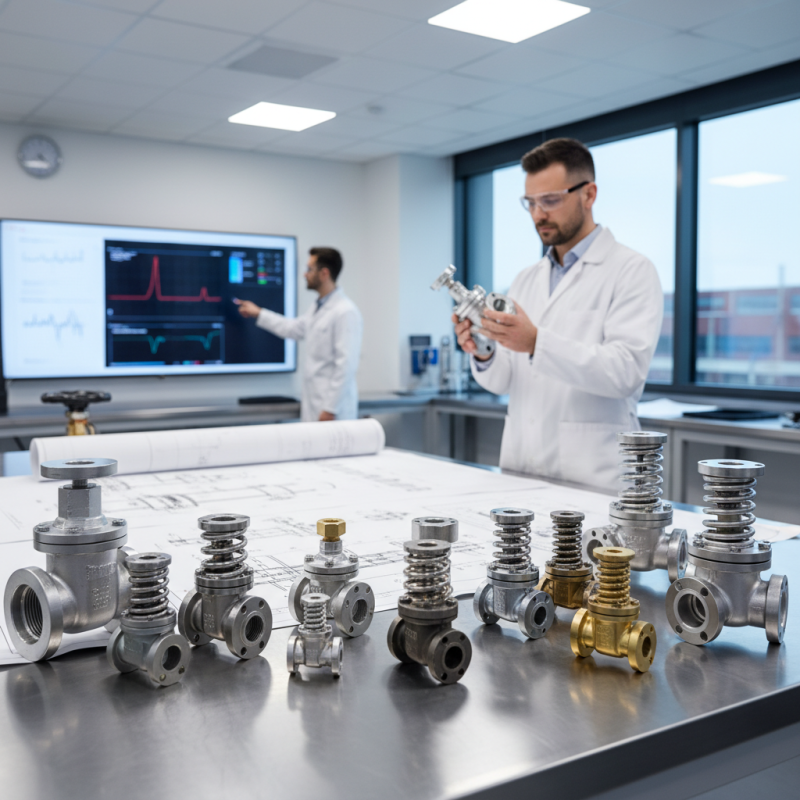
When evaluating safety valves, understanding their types is crucial. There are several categories, each with unique characteristics. Spring-loaded safety valves are common in industries. They utilize a spring mechanism to open at a preset pressure. This reliability makes them suitable for steam applications.
Another type is the pilot-operated valve. These valves respond to changes in pressure and provide more precise control. They often handle larger volumes. However, their complexity can lead to maintenance challenges. Users may find themselves reflecting on how often they need servicing.
Finally, there are rupture disc devices. These are simple and act as a one-time fail-safe. Once activated, they need replacement. While effective, their one-use nature can be a drawback for continuous operations. Each type has its own merits and drawbacks. Evaluating your system's specific needs can help refine your choice.
Industry Standards and Compliance Regulations for Safety Valve Selection
When selecting a safety valve for any system, industry standards and compliance regulations play a crucial role. Various organizations, like the American Society of Mechanical Engineers (ASME), provide guidelines for safety valve design and testing. These standards ensure that valves will operate safely under pressure. According to a recent report by the National Board of Boiler and Pressure Vessel Inspectors, 75% of pressure vessel failures are linked to improper valve selection and maintenance. This underscores the importance of adhering to industry standards.
Different industries may have distinct compliance requirements. The oil and gas sector, for instance, mandates adherence to API standards for safety valves. These standards specify testing procedures and performance criteria. Non-compliance can result in severe safety risks and financial penalties. However, many businesses overlook the implications of neglecting these guidelines. A survey indicated that over 40% of companies felt unsure about their compliance status regarding safety valve selection. It’s vital to regularly review and update one’s knowledge of industry standards.
In practice, the choice of safety valve must consider both the system's needs and compliance regulations. Often, engineers face challenges in balancing these aspects due to outdated knowledge or poor communication between teams. Continuous training and a culture of safety can significantly improve decision-making processes. It's essential to foster awareness around compliance to mitigate risks associated with improper safety valve selection.
Maintenance and Inspection Practices for Ensuring Safety Valve Effectiveness
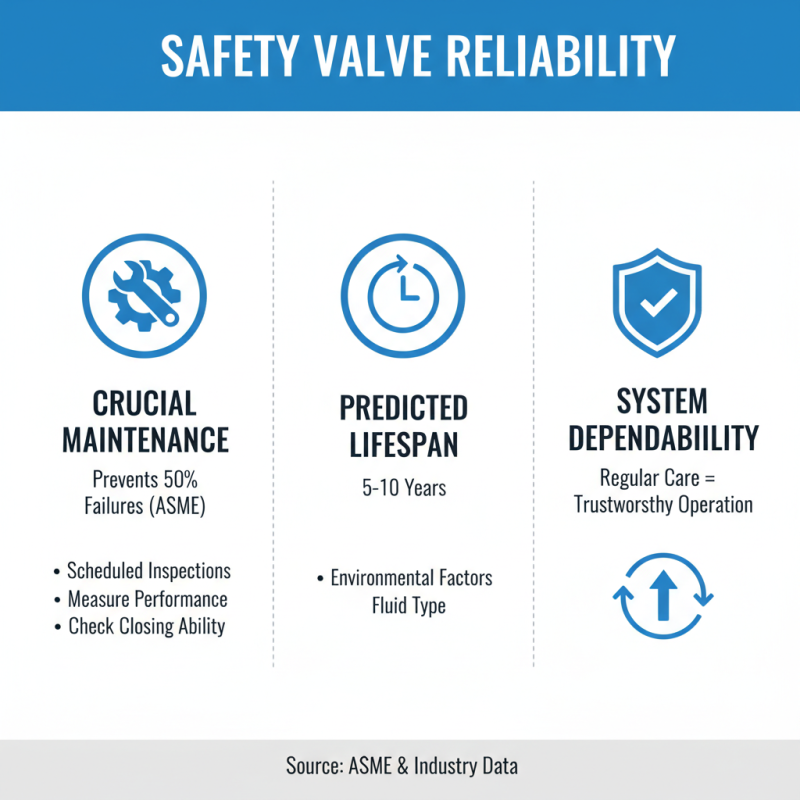
Regular maintenance and inspection of safety valves are crucial for system reliability. According to the American Society of Mechanical Engineers (ASME), around 50% of safety valve failures can be traced back to inadequate maintenance processes. It’s essential to create a scheduled inspection routine. These inspections should measure the valve's performance and closing ability. The predicted lifespan of a safety valve is roughly 5-10 years, depending on environmental factors and the type of fluid handled.
Implementing a comprehensive maintenance strategy can make all the difference. In 2022, the National Board of Boiler and Pressure Vessel Inspectors reported that 25% of safety valves found during routine inspections were not functioning properly. This statistic highlights the need for regular testing. A simple visual check is not enough. Metrics like pressure and response time should be documented meticulously.
Training personnel on proper inspection techniques is equally significant. Staff must understand how to recognize signs of wear. Dust, corrosion, and even improper settings can lead to failures. Additionally, using resources like the API RP 576 code can help frame inspection procedures. Real-life incidents demonstrate the impact of neglecting valve maintenance. Not addressing small issues can lead to major failures, affecting safety and operational efficiency.