
Print Logo

How to Choose Packaging Paper Bags for Your Business

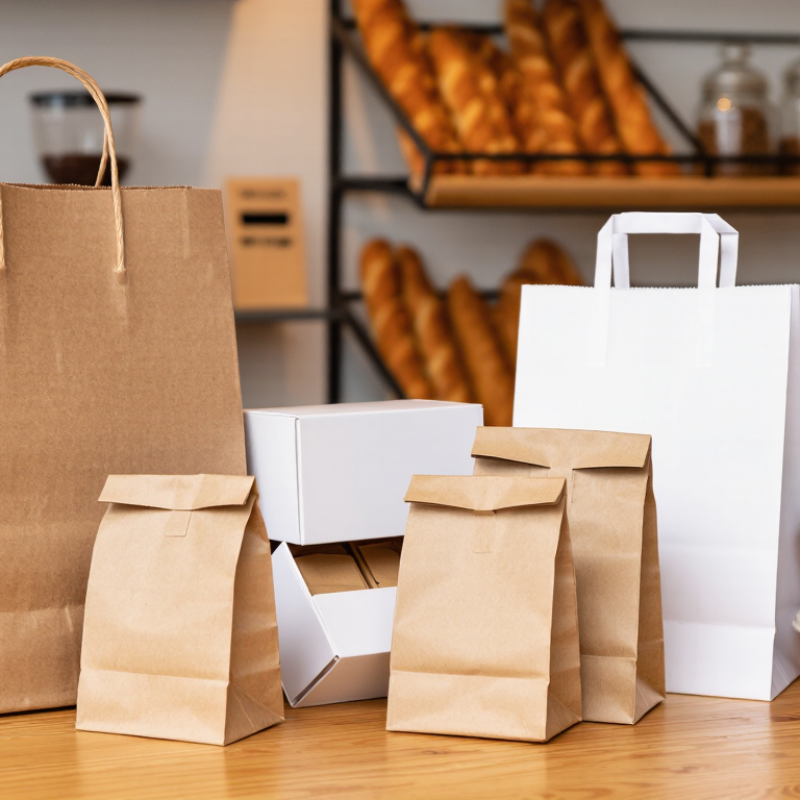
Choosing Packaging Paper Bags is not simply a branding decision. For a retailer, café, or product maker, each bag must fit the item, the customer, and the way it will be carried. A bag that looks elegant on a shelf may crease around jars or feel awkward with a takeaway box. Start with real use.

This guide explores the practical choices behind a dependable bag: size, paper weight, handle style, finish, and print. A small shop may need compact bags that stack neatly behind the counter, while a bakery may value room for pastry boxes and handles that stay comfortable on a short walk. Small details matter. Paper strength should suit the load, not just the product photograph. For food packaging, confirm that the materials and any coatings are appropriate for the intended contact, and ask suppliers for clear product specifications.

Cost, appearance, and environmental claims also deserve careful review. Recycled content, responsible sourcing, and recyclability can vary by product and local collection systems, so verify claims rather than relying on a green label alone. Request samples when possible. Fill them with typical products, check the handles, and see how they look after a few minutes of carrying. That test may reveal a detail the catalogue misses. There is no perfect bag for every business, and the first choice may need revisiting. A considered selection can still make everyday packaging feel more useful, consistent, and true to your brand.
How to Choose Packaging Paper Bags for Your Business

Identify Your Products, Customers, and Packaging Requirements

A paper bag should suit the product before it suits a design preference. Note each item’s weight, shape, and surface: a loaf needs room without being crushed, while a jar needs a stable base and enough strength around its corners. For takeaway food, consider grease resistance and whether the contents may be warm. Paper can soften when damp. Test it under realistic conditions.

Then consider who carries the bag and where. A customer walking several blocks may value sturdy handles; someone buying a small gift may prefer a compact bag that looks considered. Ask staff how bags are actually used. Do customers carry one item or several? Do handles tear when bags are packed quickly? Small observations matter. A sample filled with typical products can reveal awkward sizing, tipping, or difficult opening better than a product photo can. It is tempting to choose one bag for every order, but that can create excess material for small purchases and poor support for heavier ones. Compare a few sizes and paper weights, and check storage space before ordering. A perfect specification is not always practical.

Compare Paper Types, Strength, and Bag Construction

Choose paper by product weight, surface, and handling conditions, not appearance alone. Unbleached kraft suits many grocery and takeaway uses because its fibers provide useful tear resistance. Recycled grades can work well, but strength varies with fiber mix and manufacturing quality. Coated paper resists light splashes and sharpens print, though coatings may affect recycling options locally. Check disposal guidance.

Paper weight is only one clue. A heavier sheet can still fail if the bottom fold is shallow or poorly glued. Look at gusset depth, side seams, and handle attachment; each carries stress when the bag swings. Flat paper handles suit lighter loads, while twisted handles often feel steadier for heavier purchases. Pull gently.

Test samples with actual products, not empty bags on a desk. Load each bag with the heaviest expected item, then lift and carry it several times. Watch for seam creep, handle stretching, and a base that bows near the corners. Humidity matters too: paper can soften in damp storage, and printed surfaces may scuff. It is tempting to judge a bag by paper weight alone; that shortcut misses weak seams.

Choose a Bag Size, Shape, and Handle Style

Choosing the right paper bag starts with the item, not the shelf display. Measure the product at its widest point and leave room for tissue or a protective sleeve. A bag that fits too tightly can strain its seams; one that is oversized may let items slide around. Check the base width too. A glass jar needs more stable support than a flat greeting card.

Shape affects both packing and presentation. A square-bottom bag stands upright on a counter and suits boxed goods, while a slim gusseted style works well for books or folded clothing. Handle style matters when customers carry purchases farther. Twisted paper handles feel comfortable for everyday loads, while flat handles can suit lighter items. For heavier products, test the handle attachment and bag bottom with the actual contents. Don’t guess.

Tips: Make a simple paper mock-up before ordering. Put a sample product inside, add any wrapping, and lift the bag several times. Check whether fingers fit through the handles and whether the bag tips when set down. Small details can be easy to miss. I once underestimated how much tissue adds to the fit, so allow a little extra space and adjust after testing.

How to Choose Packaging Paper Bags for Your Business — Choose a Bag Size, Shape, and Handle Style
Typical Use Suggested Bag Size (W × Gusset × H) Shape and Base Handle Style Paper and Construction Selection Notes
Small gifts, accessories, and cosmetics 6 × 3 × 8 in (15 × 8 × 20 cm) Compact rectangular bag with a flat bottom Twisted paper handles Approximately 100–120 gsm paper Check that the item fits with room for tissue or protective wrapping. Suitable for lightweight purchases.
Books, folded clothing, and boxed goods 10 × 5 × 12 in (25 × 13 × 30 cm) Medium rectangular bag with a reinforced bottom Flat paper handles or twisted paper handles Approximately 120–150 gsm paper Choose the gusset based on the depth of the products. Reinforced base construction helps support everyday retail items.
Shoes, larger apparel, and gift sets 14 × 6 × 16 in (36 × 15 × 41 cm) Wide rectangular bag with a broad base Twisted paper handles Approximately 140–170 gsm paper Measure the packed product, not just the item. A wider opening makes bulky or boxed products easier to pack.
Takeaway meals and bakery orders 10 × 6 × 12 in (25 × 15 × 30 cm) Square-bottom bag for stable, upright packing Flat paper handles Food-contact-suitable paper where required; use a separate barrier or liner for greasy or moist foods Confirm food-contact requirements for the intended market. Keep hot and cold items, and wet products, in appropriate packaging.
Wine bottles and tall packaged products 5 × 4 × 14 in (13 × 10 × 36 cm) per bottle Narrow, tall bag with a reinforced base Twisted paper handles or a reinforced die-cut handle Approximately 150 gsm or heavier, with suitable base reinforcement Match the bag height and base to the bottle. For heavier contents, verify the handle and bottom construction with a load test.
Lightweight produce and market purchases 12 × 7 × 14 in (30 × 18 × 36 cm) Open-top bag with a wide gusset Flat paper handles or no handle Approximately 100–140 gsm paper, depending on the load Paper can weaken when wet. Use a suitable bag design and avoid overloading with damp or unusually heavy produce.
Premium gifts and presentation packaging 8 × 4 × 10 in (20 × 10 × 25 cm) Structured rectangular bag with a reinforced base Ribbon or cord handles with reinforced attachment points Approximately 150–200 gsm paper Choose the handle for comfort and appearance, and check that the attachment points are suitable for the intended contents.

Assess Printing, Sustainability, and Regulatory Needs

When choosing packaging paper bags, begin with the print details customers will actually see. Ask for a press proof on the intended paper, not just a screen image. Brown kraft can mute pale colors, while coated stock may show fine lines more clearly. Check the logo near folds and handles, where creases can distort it. Small details matter. Keep a sample.

Sustainability claims need evidence. Confirm recycled-fiber percentages and ask what documentation supports them. A glossy coating or plastic window may complicate recycling, depending on local facilities. That trade-off is easy to overlook. Test a finished bag in the waste stream your customers use, and avoid broad claims such as “eco-friendly” unless you can explain what they mean. Stronger paper is not automatically the better choice if it adds material without improving performance.

Regulatory needs vary by location, product, and how the bag is used. If the bag will touch food, check applicable food-contact requirements before approving inks, coatings, or adhesives. Review any required labeling and the rules for environmental claims in your sales markets. Keep supplier specifications and test records with the final artwork. Requirements can change, so verify them with a qualified local source before a large order. A little checking now can prevent costly reprints, though it may slow approval.

Evaluate Suppliers, Costs, and Sample Performance

When evaluating suppliers, ask for the paper weight, handle construction, and production tolerances in writing. A clear specification makes repeat orders easier to compare. Ask how the supplier checks print alignment and bag dimensions, and whether rejected units are included in its quality records. Request a production sample, not only a showroom piece. Small details matter.

Compare the full landed cost, not just the price per bag. Include setup charges, shipping, minimum order quantities, and the cost of storage. A lower unit price may become less attractive if you must order more bags than you can use. Ask for quotes at several quantities, then compare the price against your actual monthly demand. I once focused too much on unit cost; unused stock would have tied up cash and shelf space.

Test samples with the products they will carry. Load each bag with a typical order, lift it by the handles, and check for stretching, tearing, or awkward balance. Leave one sample in a damp area and inspect the paper and print the next day. This is only a practical screening test, not a guarantee of performance in every setting. Record results, including failures, and ask the supplier what changes are possible before approving a larger run.

How to Choose Packaging Paper Bags for Your Business

Suggested supplier evaluation weights (%)

Use these suggested weights as a starting point, then score each supplier against the same criteria. Request samples to check strength, print quality, dimensions, and handle performance before placing an order. Compare like-for-like quotes, including setup, shipping, and minimum-order costs.