
Print Logo

Why Choose Decorative Sconces for Your Home?

Decorative Sconces can change how a room feels without taking up floor or table space. Their light can soften a hallway, frame a bathroom mirror, or bring a warm glow beside a bed. Small fixtures. Noticeable difference. Architect Le Corbusier, whose work explored the relationship between light and space, wrote, “Light creates ambience and feel of a place, as well as the expression of a structure.” That idea helps explain why a sconce is more than a wall decoration: its position and beam shape influence the room around it.

In practice, the best choice depends on the task and the setting. A shaded sconce beside a reading chair can reduce harsh overhead glare, while a pair near a mirror can make daily grooming easier. Check the fixture’s dimensions, bulb compatibility, and recommended mounting height before buying. A beautiful design may still cast awkward shadows. It happens. Finishes matter, too: aged brass can warm a pale wall, while matte black creates a sharper contrast. Photos rarely show exactly how a finish looks under your own bulbs.

There is no single perfect sconce for every home. Consider the room’s existing lighting, the wall material, and whether you need ambient, accent, or task light. Decorative Sconces work best when their style supports a real purpose. Sometimes the practical choice is less dramatic—and better every evening.
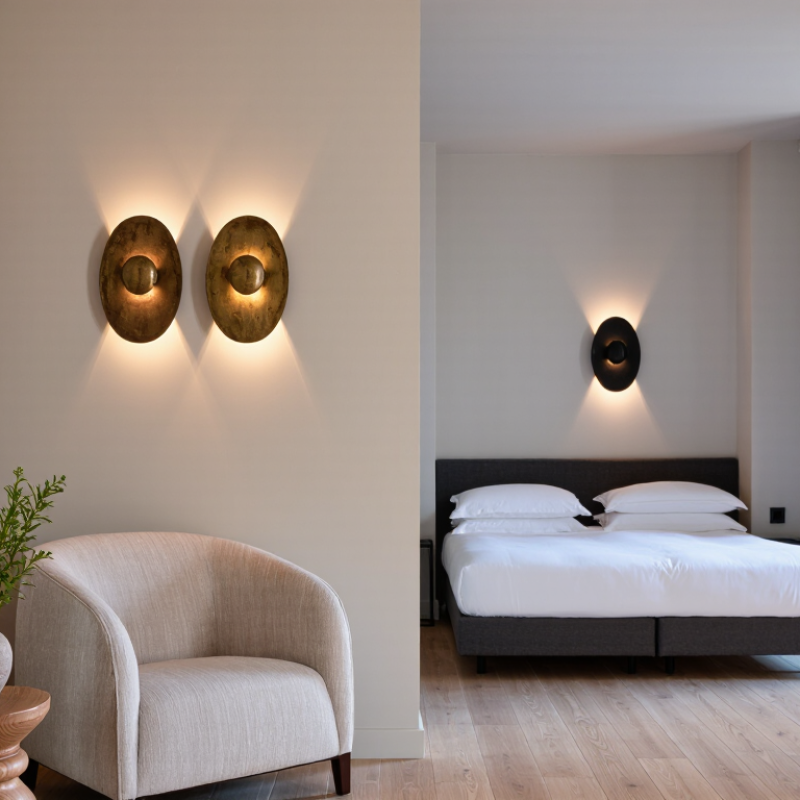
Why Choose Decorative Sconces for Your Home?

What Decorative Sconces Are and How They Function

Decorative sconces are wall-mounted fixtures that combine illumination with a visible design feature. They may provide ambient light across a room, accent light on a textured wall, or task light beside a reading chair. Their function depends on the shade, bulb, mounting height, and direction of the beam.

That direction matters. An upward-facing shade can wash a ceiling with softer light, while a downward-facing one can brighten a doorway or bedside area. Some sconces distribute light both ways.

A sconce usually complements, rather than replaces, ceiling lighting. Install one near a mirror or artwork, and it can reduce harsh shadows; place it too high, and the glare may be distracting. Details vary, so check the fixture’s light output and whether it is dimmable before choosing a location.

With compatible LED bulbs, the U.S. Department of Energy’s Energy Saver guidance says LEDs use at least 75 percent less energy and last up to 25 times longer than incandescent lighting. That comparison describes the bulbs, not every sconce’s total performance.

One practical detail is easy to overlook: a beautiful fixture can still leave a corner too dim.

How Sconces Add Light and Visual Depth to a Room

Decorative sconces do more than brighten a wall. Their light can make a room feel deeper by revealing surfaces that overhead fixtures often flatten. A shade beside a bookcase, for example, sends a soft glow across the shelves and creates small shadows behind objects. That contrast gives the wall dimension. At dusk, a pair of sconces near a doorway can also draw the eye through the room, making the space feel more connected.

Placement changes the effect. Mounting a sconce near eye level can keep its light comfortable, while a higher position may spread illumination across a larger area. Check the beam on the actual wall before settling on a location; textured plaster and dark paint reflect light differently from smooth, pale surfaces. That matters. I’ve seen a lovely fixture feel harsh when its bulb was too bright or directly visible from a chair. A dimmer can help, and a warm-toned bulb often makes evening light feel gentler. Still, matching both sconces perfectly is not always necessary. A slight imbalance can look intentional, though it may take a few evenings to decide if it works.

How Decorative Sconces Add Light and Visual Depth

Estimated illuminance from a 400-lumen sconce at different distances

These estimates use the inverse-square law for an ideal point source distributing 400 lumens evenly in all directions. Actual light levels vary with the sconce’s beam, shade, mounting position, and room surfaces. The localized glow can highlight walls and furnishings, helping a room feel more layered.

Common Styles, Materials, and Design Features

Decorative sconces combine practical light with a visible design detail. Common styles include traditional candle-arm shapes, streamlined modern bars, and adjustable swing-arm fixtures. A pair beside a bed can frame the headboard; a single sconce near an entry mirror adds a softer layer than overhead lighting. Small, but noticeable.

Materials shape both appearance and upkeep. Brass and bronze bring warmth, while chrome and nickel create a cooler, polished look. Glass shades spread light; fabric shades soften it, though they may collect dust. Look closely at the backplate, joints, and shade fittings. A beautiful fixture can feel awkward if its switch is hard to reach or its shade sends glare into your eyes.

Design features matter as much as style. Dimmable bulbs help shift a reading corner from focused light to a calmer evening glow. The U.S. Department of Energy reports that LEDs use at least 75% less energy than incandescent lighting and can last up to 25 times longer. Check the fixture’s bulb compatibility and light direction before choosing. Warm brass ages; not everyone likes the change. A little imperfection can be part of the appeal.

How to Choose Sconces for Different Rooms

Why Choose Decorative Sconces for Your Home? How to Choose Sconces for Different Rooms

Choose sconces by considering what each room needs, not just how the fixtures look. In a bedroom, shaded sconces beside the bed can provide gentle reading light without taking up space on a nightstand. Check that the switch is easy to reach from bed. In a living room, adjustable arms can direct light toward a book or soften a dark corner. Warm bulbs often feel comfortable here, but very dim light can make colors look dull.

Tips: Measure the wall space first. Check bulb brightness and shade direction. For bathrooms, choose fixtures rated for the damp conditions where they will be installed.

In a hallway, compact sconces with covered bulbs help reduce glare as people pass by. Place them where doors or artwork will not block the light. Dining areas may suit sconces that add a soft glow without competing with the table’s main light. There is no single perfect mounting height; furniture, ceiling height, and the fixture shape all matter. A common oversight is judging light only during daytime. Check the effect after dark, and ask a qualified electrician to handle wiring or confirm installation requirements.

Placement, Light Sources, and Installation Considerations

Decorative sconces work best when their placement serves a clear purpose. Beside a mirror, they can reduce harsh shadows across the face. In a hallway, evenly spaced fixtures help brighten dim stretches without crowding the ceiling. Aim for comfortable, eye-level light, but check the fixture’s shape and your room layout. A shade that looks subtle in a showroom may shine directly into your eyes at home. Warm-white bulbs often feel inviting in bedrooms and living rooms; brighter, neutral light can suit task areas. Always check the fixture’s recommended bulb type and maximum wattage.

Tips: Test the location with paper cutouts before drilling. Stand where you’ll use the light. Check for glare, shadows, and nearby doors.

Before installation, confirm that the wall can support the fixture and that wiring is suitable. Hardwired sconces usually need a qualified electrician, especially when no existing junction box is available. Follow the manufacturer’s mounting instructions, and switch off power at the breaker before any permitted work. Plug-in models can be simpler, though their cords may affect furniture placement or create visual clutter. Measure twice. Even careful planning can miss how a fixture feels at night, so adjustable shades or dimmable bulbs can leave room to reconsider.