How to Choose the Best Stainless Steel Chains for Your Needs
Choosing the right Stainless steel chains can significantly impact durability and functionality. These chains are prized for their strength and resistance to corrosion. However, selecting the best option for your specific needs requires careful consideration. Factors like link size, material grade, and intended use are crucial.
It's important to recognize that not all stainless steel chains are created equal. Different grades provide varying levels of strength and corrosion resistance. For example, 304 stainless steel is suitable for general use, while 316 offers superior resistance in marine environments. Understanding these differences helps guide your choice effectively.
As you explore options, reflect on your requirements. Think about the environments in which you will use the chains. Will they face harsh conditions? Are they for decorative purposes? Evaluating these factors ensures you find the appropriate stainless steel chains for your projects. Remember, the perfect option may not exist; your choice should balance quality, performance, and price.
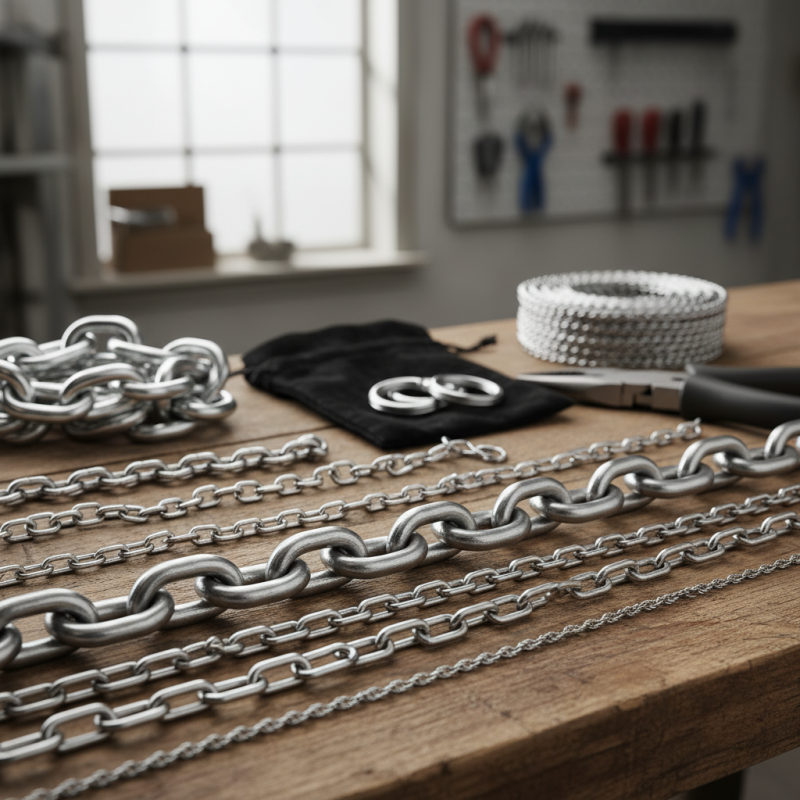
Understanding Different Types of Stainless Steel Chains and Their Properties
When selecting stainless steel chains, understanding their types and properties is essential. Stainless steel chains come in various grades, commonly 304 and 316. Grade 304 is cost-effective; however, it offers basic corrosion resistance. It's suitable for indoor use. In contrast, grade 316 has enhanced corrosion resistance, making it ideal for marine environments. Industry reports indicate that 316 chain performance can last significantly longer in saltwater conditions, sometimes up to five times that of 304.
Different chain designs meet diverse application demands. For example, welded chains are robust and secure for heavy loads. However, they can be difficult to remove. Meanwhile, roller chains are commonly used in machinery due to their flexibility and strength. A recent study found that using the proper chain type can improve system efficiency by up to 20%. In any case, evaluating the specific requirements of your project is crucial.
It's also important to consider environmental factors affecting chain performance. Factors like humidity and exposure to chemicals can significantly influence durability. For instance, chains in highly humid areas may corrode faster than expected. Unexpected failures can lead to costly downtimes. Thus, thorough assessment and expert advice can help mitigate these risks. Balancing cost, durability, and intended use is vital for selecting the suitable stainless steel chain.
Key Factors to Consider When Selecting Stainless Steel Chains for Various Applications
When selecting stainless steel chains, several key factors come into play. The chain's tensile strength is crucial. According to industry reports, chains with higher tensile strength can handle heavier loads, making them suitable for industrial applications. For instance, marine-grade stainless steel chains often have a yield strength of up to 80,000 psi, making them ideal for demanding environments.
Corrosion resistance should also be a priority. Chains exposed to moisture or harsh chemicals need a higher chromium content. A study indicated that chains with at least 10.5% chromium provide better protection against rust and corrosion. This is particularly important in applications like food processing or marine settings where exposure to water is unavoidable.
Tip: Always consider the specific application of the chain. Evaluate the environmental conditions it will face. Is it for lifting, securing loads, or marine use? Different applications require unique chain specifications.
Another factor is the chain’s versatility. Chains that can be easily adjusted or modified offer flexibility for various uses. However, it’s essential to ensure that modifications do not compromise the chain's integrity. Always consult technical data sheets and industry guidelines before finalizing a purchase. A well-researched choice can lead to better performance and durability in the long run.
How to Choose the Best Stainless Steel Chains for Your Needs
| Chain Type | Material Grade | Load Capacity (lbs) | Suitable Applications | Corrosion Resistance |
| Linked Stainless Steel Chain | 304 | 2500 | Marine, Agricultural | Good |
| Welded Stainless Steel Chain | 316 | 3000 | Heavy-duty, Industrial | Excellent |
| Stainless Steel Roll Chain | 304 | 1500 | Conveyor Systems | Good |
| Stainless Steel Short Link Chain | 316 | 2000 | Scaffolding, Rigging | Excellent |
| Stainless Steel Cable Chain | 304 | 1800 | Marine Applications | Good |
Evaluating Chain Strength: Breaking Load and Working Load Limits Explained
When selecting stainless steel chains, understanding chain strength is essential. Two critical measurements are breaking load and working load limits. The breaking load indicates the maximum force the chain can withstand before it fails. In contrast, the working load limit is the recommended safe weight for regular use. Always consider these figures to ensure safety and durability for your specific needs.
Tips: When considering breaking load, remember safety factors can vary by application. Choose chains with higher ratings for rocky terrains or heavy lifting. Also, monitor for wear and tear periodically. A visually inspected chain might still have hidden weaknesses.
Consider the environment where the chain will be used. Factors like humidity and exposure can affect strength. Corrosion can weaken chains over time. It's important to choose chains that are suitable for their specific environments. Think about regular maintenance and replacements. Be aware of how much weight you regularly load, and adjust your chain choice accordingly. Not all chains are created equal, and overlooking details can lead to costly mistakes.
Corrosion Resistance in Stainless Steel Chains: Grades and Their Performance
When selecting stainless steel chains, understanding corrosion resistance is crucial. Different grades of stainless steel offer varying levels of performance. For example, 304 stainless steel is highly resistant to corrosion in many environments but may struggle in specific conditions, such as saltwater. In contrast, 316 stainless steel provides superior corrosion resistance, especially in marine environments, making it a popular choice for outdoor applications.
Tips: Always assess the environment where the chain will be used. Harsh conditions may require higher-grade options. Industry data suggests that over 70% of chain failures occur due to corrosion-related issues. Choosing the right grade can prevent costly replacements.
It's important to remember that not all stainless steels are created equal. Some chains may look similar but differ significantly in their alloy composition. For instance, 410 stainless steel, while strong and durable, is more prone to rusting. Reflecting on the long-term implications of your choice is essential. Investing in the right stainless steel chain can enhance longevity and reliability, particularly in challenging settings.
Maintenance Tips for Enhancing the Longevity of Stainless Steel Chains
Stainless steel chains are durable but require proper maintenance for longevity. Regular cleaning prevents dirt and grime buildup. Use mild soap and water for washing. Avoid harsh chemicals that can damage the steel's finish.
Dry the chains thoroughly after washing. Moisture can lead to rust, especially in humid environments. Occasionally, apply a light oil to lubricate. This can help reduce friction, enhancing performance.
Inspect the chains regularly. Look for signs of wear or damage. Small issues can lead to bigger problems if not addressed. Taking the time to maintain your chains can save you from costly replacements. Remember that even the best materials wear over time.