Why Choose Cast Steel for Your Industrial Needs?
When it comes to industrial applications, choosing the right material is crucial. Cast Steel stands out as a favored choice for many reasons. Its unique properties make it both versatile and durable. Industries rely on Cast Steel for its strength and resistance to wear. It performs well under high stress and extreme temperatures.
Even with its many advantages, users must consider specific requirements. Not all Cast Steel grades are the same. Each type serves different purposes, from construction to heavy machinery. The selection process may seem straightforward, but it requires careful evaluation. Understanding the nuances of Cast Steel is key to making the right choice.
In a world where materials can make or break a project, Cast Steel offers a reliable option. It presents a balance of performance and cost-effectiveness. However, it's vital to consult experts to ensure optimal use. This choice involves significant implications for efficiency and longevity. Ultimately, the investment in Cast Steel can lead to impressive results.
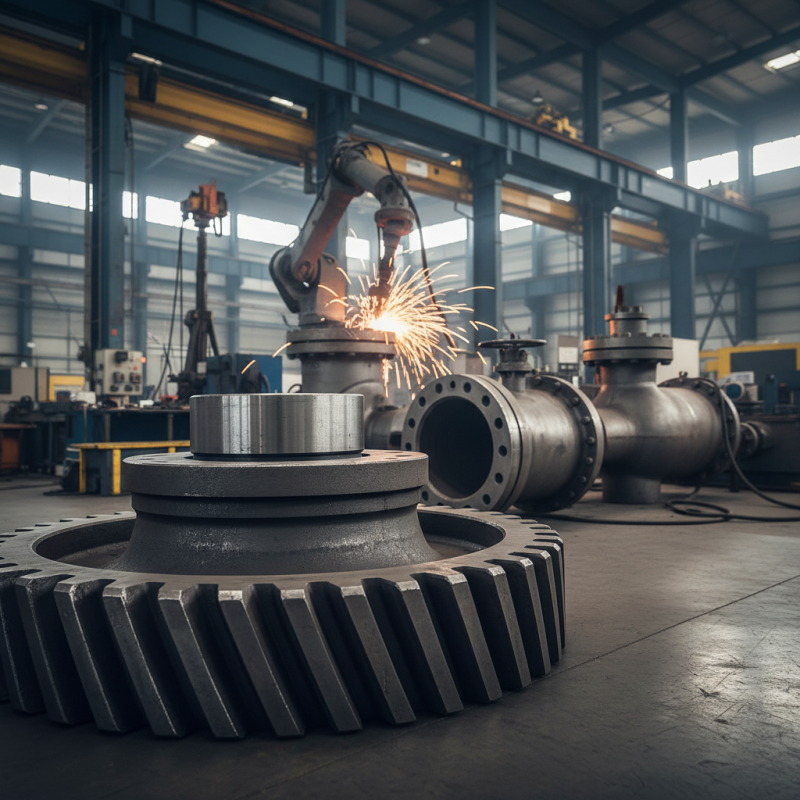
Advantages of Cast Steel in Industrial Applications
Cast steel has emerged as a preferred choice for various industrial applications due to its robust properties. One key advantage lies in its exceptional strength-to-weight ratio. This means that structures built from cast steel can withstand heavy loads without excessive material use. Industries ranging from construction to manufacturing benefit from this efficiency, minimizing costs and enhancing safety.
Another significant benefit of cast steel is its versatility. It can be easily molded into complex shapes, meeting specific design requirements. This capability allows for innovative solutions in machinery and equipment design. However, not every application may be ideal for cast steel. Considerations such as corrosion resistance and environmental factors must be evaluated.
Additionally, cast steel exhibits excellent wear resistance, making it suitable for high-friction applications. However, if not properly treated, it can be prone to cracking. A careful analysis is required when selecting materials for industrial needs. Understanding these aspects ensures that cast steel is utilized effectively, helping industries achieve their operational goals while addressing potential shortcomings.
Key Properties of Cast Steel: Strength and Durability
Cast steel stands out in industrial applications for its exceptional strength and durability. Its tensile strength frequently exceeds 500 MPa, making it suitable for heavy-duty uses. Unlike other materials, cast steel can endure significantly higher impact loads. This resilience is often highlighted in industry reports, which indicate that cast steel structures can last over 30 years with proper maintenance.
Durability is not just about how long materials last. It also involves resistance to wear and tear. Reports show that cast steel can tolerate corrosive environments better than many alternatives. When exposed to harsh conditions, cast steel maintains its integrity and performance. Its alloying elements enhance these properties, leading to better performance under stress.
In practical terms, the choice of cast steel means fewer replacements and repairs. This translates into lower long-term costs. However, it is essential to consider that the initial investment may be higher. Industries must weigh these factors carefully. Balancing the upfront expense against future savings is crucial for sound decision-making. Overall, cast steel presents a compelling option for those prioritizing strength and durability in industrial settings.
Why Choose Cast Steel for Your Industrial Needs? - Key Properties of Cast Steel: Strength and Durability | Property | Description | Value |
| Tensile Strength | The resistance of a material to breaking under tension. | 250 - 400 MPa |
| Yield Strength | The stress at which a material begins to deform plastically. | 200 - 350 MPa |
| Hardness | The resistance of a material to deformation, particularly permanent deformation. | HV 150 - HV 250 |
| Ductility | The ability of a material to deform under tensile stress. | Elongation greater than 10% |
| Impact Toughness | The ability of a material to absorb energy during plastic deformation. | Charpy V-notched impact test: 30 - 70 J |
| Corrosion Resistance | The ability to withstand deterioration due to chemical reactions with the environment. | Moderate, can be improved with coatings |
| Thermal Conductivity | The property of a material to conduct heat. | 50 - 60 W/m·K |
Cost-Effectiveness of Cast Steel Compared to Other Materials
When considering materials for industrial applications, cast steel stands out due to its cost-effectiveness. Reports show that the initial cost of cast steel can be significantly lower than that of other materials. For instance, in certain applications, cast steel can be up to 30% cheaper than high-performance alloys. This makes it a compelling choice for manufacturers looking to balance quality and cost.
Cast steel also boasts a distinct advantage in durability. Its resistance to wear and deformation leads to lower maintenance costs over time. According to industry research, components made from cast steel can last up to 50% longer than those made from alternative materials. This translates into fewer replacements and reduced downtime, enhancing overall productivity.
Tip: Always evaluate the long-term costs of materials beyond the purchase price. A cheaper initial investment might lead to higher expenses in the future.
While cast steel offers numerous benefits, it is essential to consider specific applications. In environments with extreme temperatures or corrosive conditions, other materials might outperform cast steel. An assessment of operational requirements and conditions is crucial to make an informed decision.
Tip: Consult with material experts before making a choice. Their insights can provide added assurance, ensuring that you select the best material for your needs.
Common Applications of Cast Steel in Industry
Cast steel is widely recognized for its exceptional strength and durability, making it a preferred choice in various industrial applications. Its superior mechanical properties make it ideal for construction, automotive, and piping systems. According to industry reports, nearly 30% of all cast steel produced is used in construction. Components like beams, columns, and structural supports benefit from cast steel's high tensile strength and ability to withstand harsh environments.
In the automotive sector, cast steel plays a crucial role. About 25% of vehicles contain cast steel parts, such as engine blocks and suspension components. These parts endure significant stress yet maintain performance over time. The casting process allows for intricate designs, which further enhances the efficiency and safety of vehicle structures.
The oil and gas industry also relies heavily on cast steel. Approximately 20% of cast steel is utilized in pipelines and valve manufacturing. This material can resist corrosion and high-pressure conditions, making it suitable for transporting critical resources. Nevertheless, there are challenges. Flaws in casting can compromise integrity. This reality underscores the need for rigorous quality control in production.
Maintenance and Care for Cast Steel Components
Maintaining cast steel components requires careful attention. Regular inspections can catch early signs of wear or damage. Check for cracks and corrosion, as these can compromise structural integrity. A small crack can grow into a significant issue over time. Cleaning is essential too. Remove contaminants like dirt and grease regularly. This simple step can vastly extend the lifespan of components.
Lubrication plays a critical role in maintenance. Adequate lubrication reduces friction and wear on moving parts. However, it's vital to use the right type of lubricant. Too much or too little can lead to problems. Create a maintenance schedule to guide your efforts. Make sure to document any issues encountered. This practice will help in tracking patterns or recurring problems.
Even with careful maintenance, challenges can arise. Cast steel may initially seem resilient, but it can be susceptible to fatigue. Recognizing limits is crucial. Over time, fatigue can lead to unexpected failures. An understanding of the environment in which components function is necessary. Temperature variations, exposure to chemicals, and load stresses all play a part. Addressing these factors can significantly enhance the longevity of cast steel components.