Choosing the best water pressure reducing valve in 2026 is not just a brand comparison. It is about protecting pipes, fixtures, and appliances while keeping showers and taps comfortable. A gauge reading at the hose bib can reveal pressure that is too high, but one reading does not describe every plumbing system. That matters.
The 2021 International Plumbing Code requires an approved pressure-reducing valve when building water pressure exceeds 80 psi; local adoption and requirements can vary. The U.S. Environmental Protection Agency’s WaterSense program reports that household leaks waste nearly one trillion gallons of water nationwide each year. A valve cannot fix a leak, but stable pressure can help limit stress on plumbing components. Richard Trethewey, plumbing and heating expert for This Old House, has recommended roughly 40–60 psi for typical home water pressure. Treat that as practical guidance, not a universal setting.
The right valve depends on inlet pressure, required flow, pipe size, adjustment range, and service access. Look for clear pressure specifications, durable materials, and replacement parts you can actually obtain. A built-in strainer or gauge connection may also make maintenance easier. Still, no single model suits every home. The “best” choice should be sized for the system and adjusted using a reliable gauge, ideally by a qualified plumbing professional. Small detail, big difference. This guide compares leading options and explains what their specifications mean before you buy.
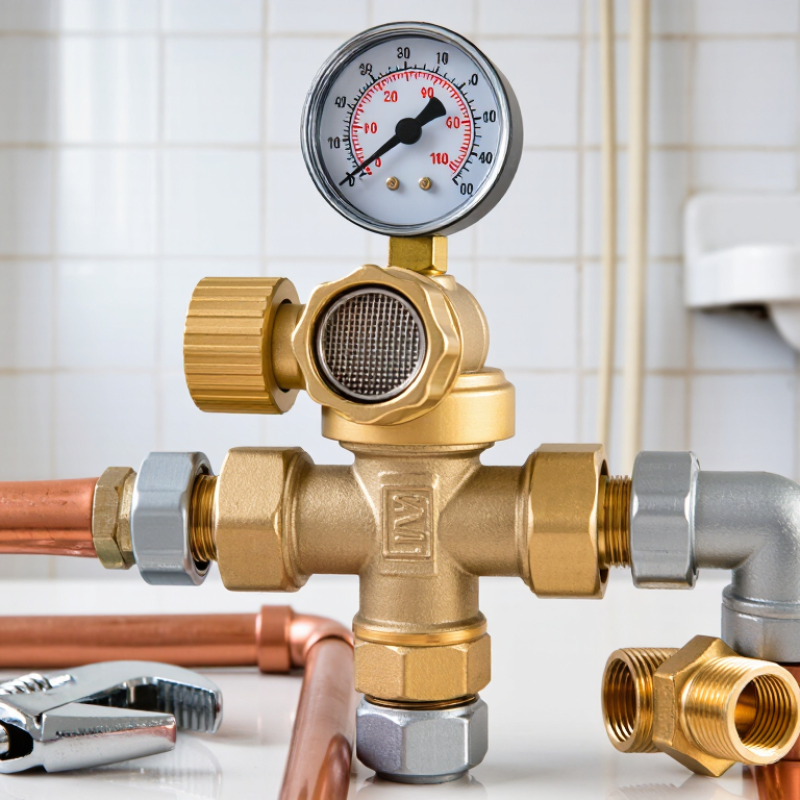
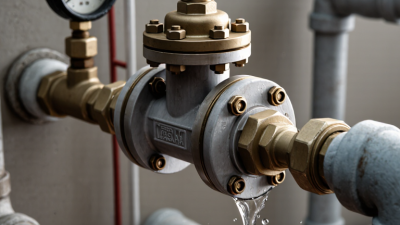
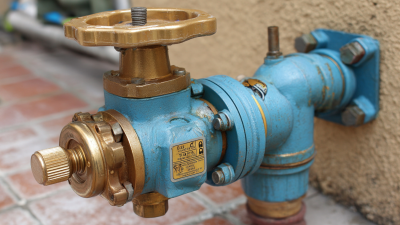
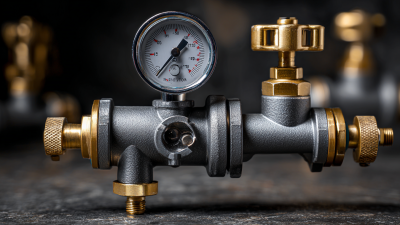
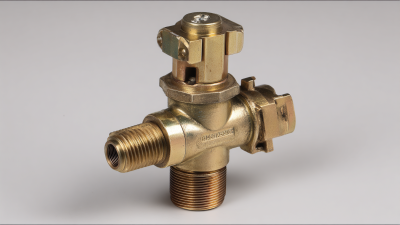
A water pressure reducing valve, or PRV, is a mechanical control fitted to a building’s incoming water line. It lowers excessive supply pressure and helps keep downstream pressure steadier as taps open and close. Inside, a spring and diaphragm respond to pressure changes, adjusting the valve opening. A pressure gauge makes the result visible. Small part, real consequences.
The concern is not just comfort. High pressure can stress pipes, fixtures, appliance hoses, and joints, though it is not the only cause of leaks. The U.S. Environmental Protection Agency’s WaterSense program estimates household leaks waste nearly 10,000 gallons of water per home each year. A PRV cannot fix a worn washer or a cracked pipe; that distinction is easy to overlook. The 2021 International Plumbing Code calls for pressure regulation when static water pressure exceeds 80 psi. A plumber can measure static pressure and set the valve to suit the home and local requirements. Then check it again. Pressure may vary with supply conditions, and valves can wear or drift over time. A quiet gauge reading is useful, but it is not proof that every fixture is protected.
| Decision factor | Typical value or feature | What it means | Why it matters when choosing a valve |
|---|---|---|---|
| Purpose | Reduces higher inlet pressure to a lower, adjustable downstream pressure | A pressure reducing valve (PRV) automatically regulates water pressure downstream of the valve. | It can help protect plumbing fixtures, appliances, pipes, and connections from excessive pressure. |
| Incoming static pressure | Measure in psi with no water flowing; readings vary by property and time of day | Static pressure is the supply pressure when fixtures are closed. | Measure before selecting or adjusting a PRV. Many U.S. model plumbing codes require pressure regulation when pressure exceeds 80 psi; check local requirements. |
| Common household outlet setting | About 50–60 psi (approximately 3.4–4.1 bar) is a commonly used range | The appropriate setting depends on the home, plumbing system, and local rules. | A setting that is too low may reduce flow at fixtures; a higher setting increases pressure throughout the downstream system. |
| Valve type | Direct-acting piston or diaphragm design | Both designs use a spring and sensing element to regulate downstream pressure; construction and performance vary by model. | Compare the manufacturer’s specifications, serviceability, and suitability for the installation rather than choosing by type name alone. |
| Adjustment range | Model-specific; confirm the published outlet-pressure range | The adjustment screw or mechanism sets the downstream pressure within the valve’s operating range. | Choose a valve whose stated range includes the desired setting. Follow its instructions and verify the result with a pressure gauge. |
| Connection size | Match the pipe connection and installation requirements | PRVs are made with different nominal connection sizes and connection styles. | The connection must fit the plumbing system; a qualified installer can assess whether the valve is properly sized for the system’s demand. |
| Flow capacity | Check the model’s flow curve or rated flow data | A valve’s ability to maintain pressure depends partly on flow rate and pressure drop. | Undersizing can contribute to inadequate pressure or flow when multiple fixtures operate. Pipe size alone does not establish the correct valve size. |
| Pressure gauge | Use a suitable gauge to measure downstream pressure | A gauge provides a direct reading for setup and troubleshooting. | It helps confirm the actual setting rather than relying on the adjustment position or fixture performance alone. |
| Thermal expansion | May require a separate expansion-control solution in a closed plumbing system | A PRV can prevent downstream water from flowing back toward the supply, making the system effectively closed. | Water heated in a closed system expands. Follow local code and water-heater instructions for expansion control; a PRV does not replace an expansion tank where one is required. |
| Maintenance and service | Follow the manufacturer’s inspection and service instructions | Wear, debris, or scale can affect pressure regulation over time. | Choose a model with suitable service provisions and access. Persistent pressure changes should be investigated rather than corrected by repeated adjustment. |
| Best selection approach | Match pressure range, flow needs, connections, materials, and local requirements | There is no single best PRV for every building or water supply. | Compare current technical specifications and have a licensed plumbing professional assess the installation when sizing, code compliance, or pressure problems are uncertain. |
Pressure readings and code requirements vary by location and installation. Confirm local rules and the valve manufacturer’s specifications before purchase or adjustment.