Top Benefits of Brass Die Casting for Global Buyers?
Brass Die Casting has emerged as a pivotal technology for manufacturers worldwide. According to a report by Smithers Pira, the global die casting market is projected to reach $20 billion by 2025. This growth reflects the increasing demand for efficient and sustainable production methods.
Industry expert Dr. John Ellis states, "Brass die casting offers unmatched benefits across various sectors." His research underscores the superior mechanical properties, durability, and corrosion resistance of brass components. These advantages not only enhance the longevity of products but also significantly reduce maintenance costs.
Many global buyers recognize the potential of brass die casting to streamline production. Yet, challenges remain. The reliance on quality raw materials is essential. Fluctuations in brass prices can impact overall production costs. A deeper understanding of these dynamics is crucial for making informed decisions. Brass die casting is not just a manufacturing process; it's a strategic advantage for businesses aiming for excellence.
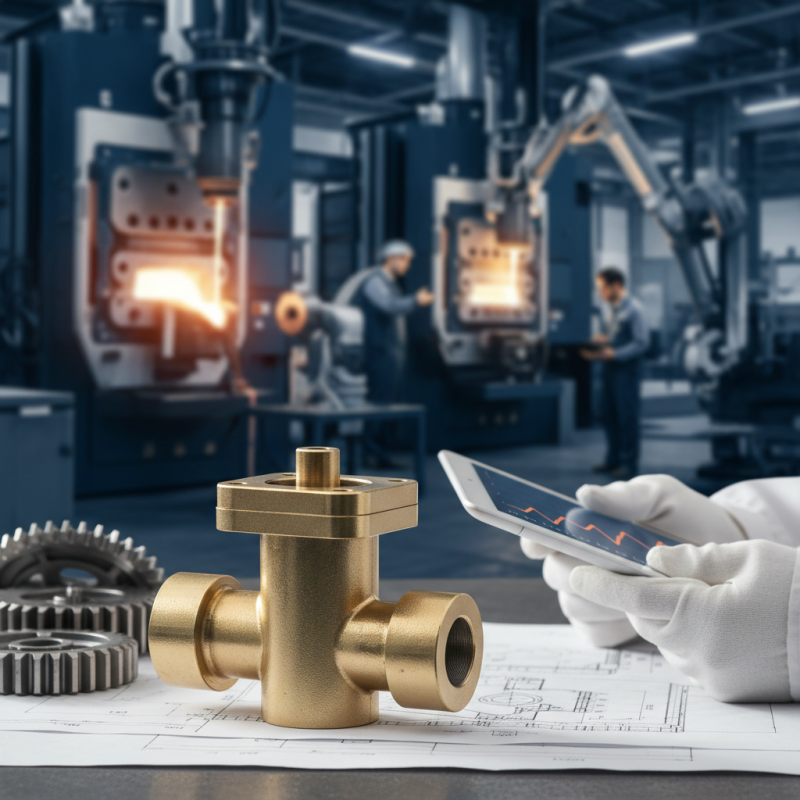
Benefits of Brass Die Casting in High-Volume Production Scenarios
Brass die casting offers significant advantages in high-volume production settings. This method produces parts quickly and efficiently. The technique allows for tight tolerances, resulting in higher quality components. These components are durable and corrosion-resistant, making them ideal for various applications.
In high-demand scenarios, the consistency of brass die casting is a key benefit. Each piece is nearly identical, minimizing waste and reducing production costs. However, achieving this consistency requires skilled labor and precise machinery. While the initial investment can be substantial, the long-term savings often justify the expense.
Moreover, the recycling potential of brass adds an ecological advantage. This material can be reused, lowering the environmental impact of production. Despite these benefits, some challenges remain. Not all designs are suitable for die casting, which can limit creativity. Understanding these trade-offs is crucial for buyers looking to harness the full potential of brass die casting.
Cost Efficiency: Statistical Savings in Material and Labor for Buyers
Brass die casting stands out for its cost efficiency, offering significant savings in both material and labor. Reports indicate that using brass for die casting can lead to a reduction of up to 30% in material costs compared to alternative materials. This is largely due to brass's lower melting point, which reduces energy consumption during the casting process.
Labor savings also play a crucial role. With advanced die casting techniques, automation has increased productivity. According to industry analyses, automated systems can cut labor costs by approximately 25%, streamlining the production processes for buyers. This efficiency enables manufacturers to allocate resources more effectively while still meeting demand.
However, it's essential to reflect on potential challenges. Brass die casting can require specialized tooling, which may incur initial setup costs. The intricacies of the process could also lead to inconsistencies if not monitored closely. This requires ongoing investment in quality assurance to maintain the benefits of cost efficiency. Despite these considerations, the strategic advantages often outweigh the drawbacks.
Superior Mechanical Properties of Brass in Die Casting Applications
Brass die casting is recognized for its exceptional mechanical properties. The alloy's high strength and corrosion resistance make it ideal for demanding applications. According to industry reports, brass can endure considerable stress without deformation. This capability is crucial in sectors like automotive and electronics, where reliability is paramount.
The thermal conductivity of brass also contributes significantly to its appeal. It facilitates efficient heat dissipation, essential for components in high-temperature environments. Notably, research indicates that components made from brass often outperform those made from aluminum or plastic in terms of longevity. This advantage can lead to reduced maintenance costs in the long run.
Tip: When selecting brass for die casting, consider the specific alloy formulation. Different compositions can alter mechanical properties.
Handling brass die casting requires expertise. The precision in the casting process is vital for achieving the intended performance. Minor inaccuracies can lead to significant issues, such as reduced efficiency or increased wear. Always ensure your supplier offers robust quality control measures to mitigate these risks.
Tip: Invest time in understanding your application needs. This knowledge will help you choose the right brass grade and casting method.
Environmental Impact: Sustainability and Waste Reduction in Brass Die Casting
Brass die casting is gaining traction due to its environmental benefits. This process utilizes a reusable mold, significantly reducing waste. Many manufacturers have adopted eco-friendly practices, ensuring minimal material loss during production.
Sustainability is a critical focus in today’s manufacturing landscape. Brass components can be recycled repeatedly without losing quality. This recyclability promotes a circular economy, lowering the demand for raw materials. As global buyers seek greener options, brass die casting stands out for its reduced environmental impact.
Tips: Always assess the lifecycle of materials. Consider energy usage during production. Transitioning to brass die casting may involve initial costs. However, the long-term benefits often outweigh these expenses. Evaluate suppliers based on their sustainability commitment. Reliable suppliers should provide transparent information on their practices.
Market Trends: Growing Demand for Brass Die Casting in Various Industries
The demand for brass die casting is on the rise. Various industries, including automotive, electronics, and plumbing, are increasingly adopting this method. Brass die casting offers high precision and durability, making it ideal for key components in these sectors. Companies are drawn to its ability to produce intricate designs with excellent surface finishes.
However, the surge in popularity comes with challenges. Not all manufacturers can meet the growing need for high-quality brass components. Quality control becomes crucial, and inconsistencies can lead to costly production delays. Buyers must carefully select suppliers who demonstrate proven expertise and reliability.
In addition, the market trends reveal emerging applications of brass die casting. New technology improves the casting process, impacting efficiency and cost-effectiveness. Yet, there are concerns over environmental impacts and sustainable practices. Buyers must weigh the benefits against these potential drawbacks to make informed purchasing decisions.